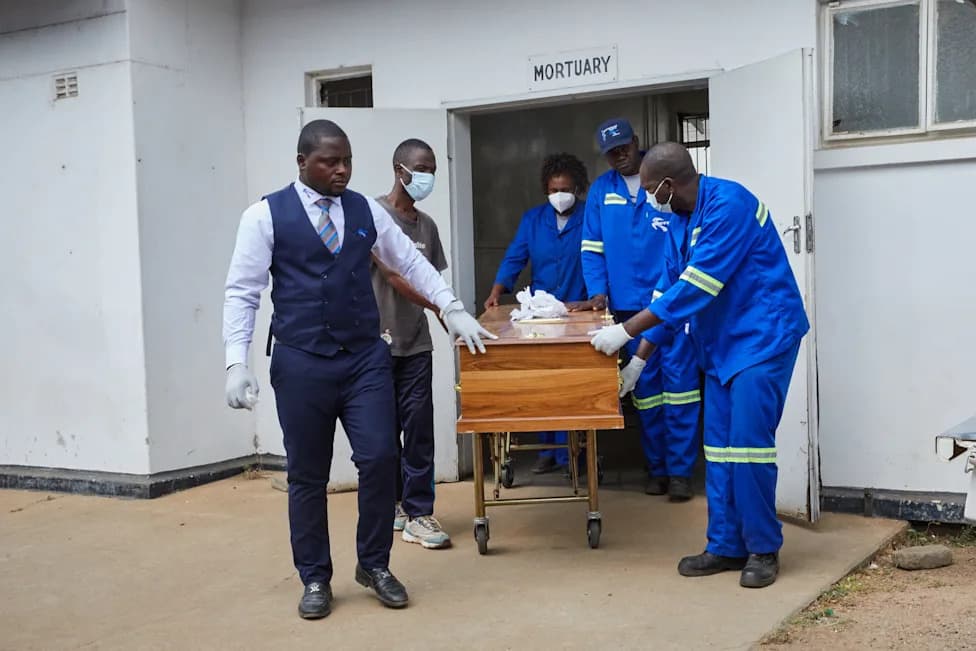
The confirmed death toll from a ferry that capsized on Lake Kariba has risen to 72 after rescue teams recovered 26 more bodies, authorities said. The vessel overturned on Tuesday shortly after departing Kariba town harbour.
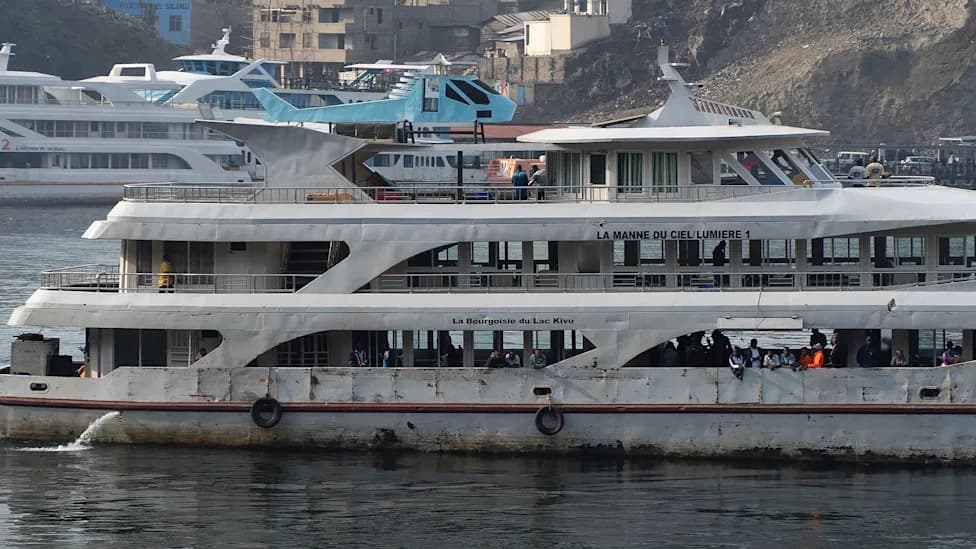
Police investigations indicate the ferry was severely overloaded. Officials estimate about 153 people were on board despite the vessel's authorised capacity of just 90 passengers. Survivors say strong winds and choppy waves swamped the boat soon after departure, and the ferry rolled over while still in open water.
State broadcaster ZBC reported that at least 18 of the victims were children, including 16 under the age of 10. Local media identified some of the youngest named victims as one-year-old Wendy Ndandarika and 14-month-old McDonald Nyasha Gumpo, as well as Hailly Tauro. The boat's captain, Sign Patsikadova, 59, is also among the confirmed dead.
Search and Recovery
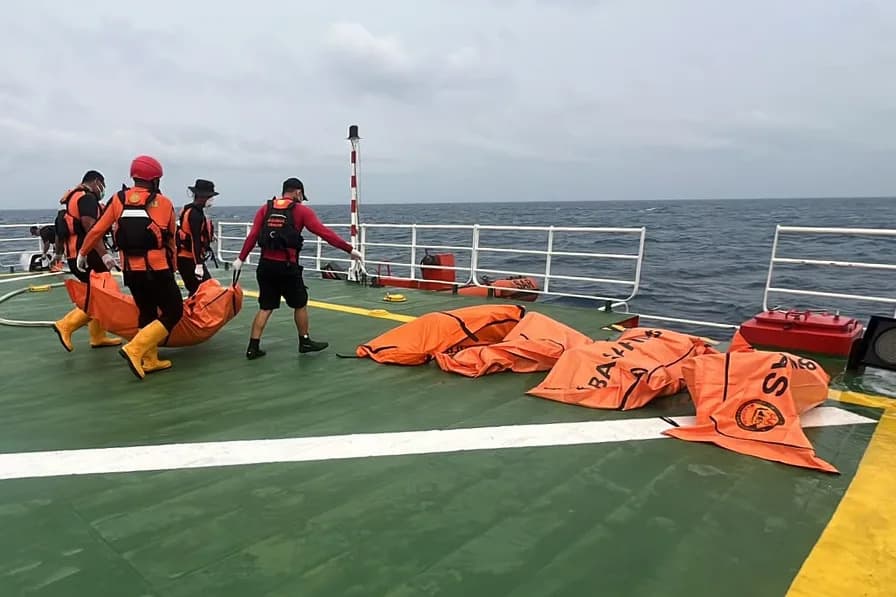
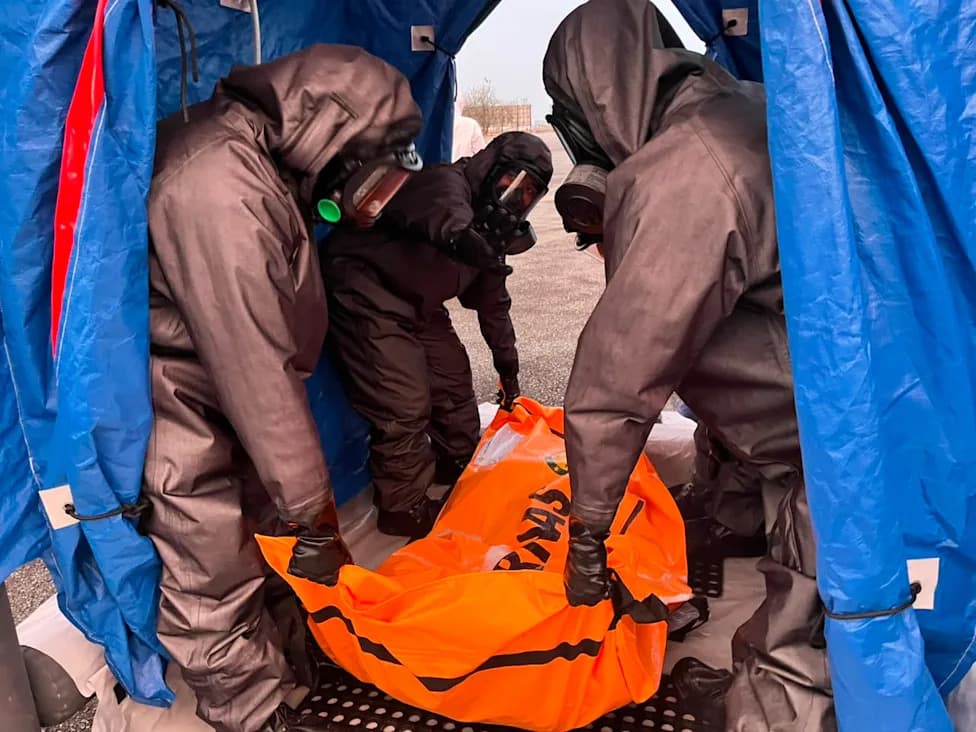
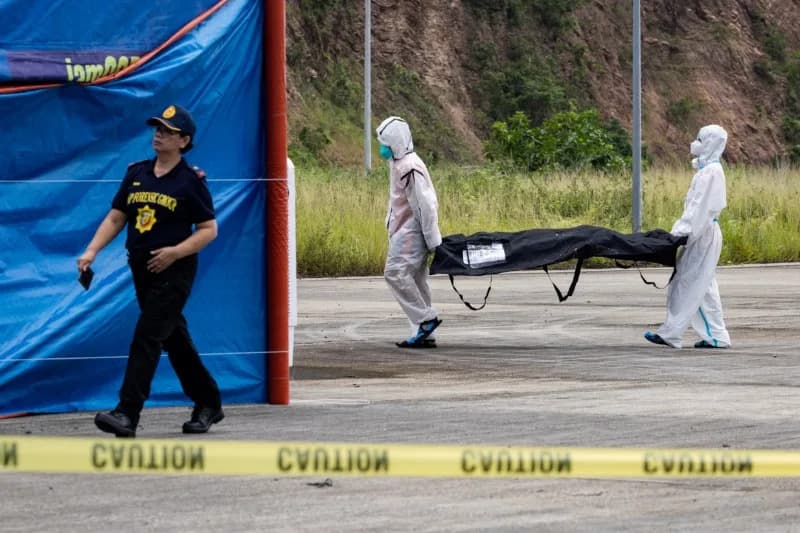
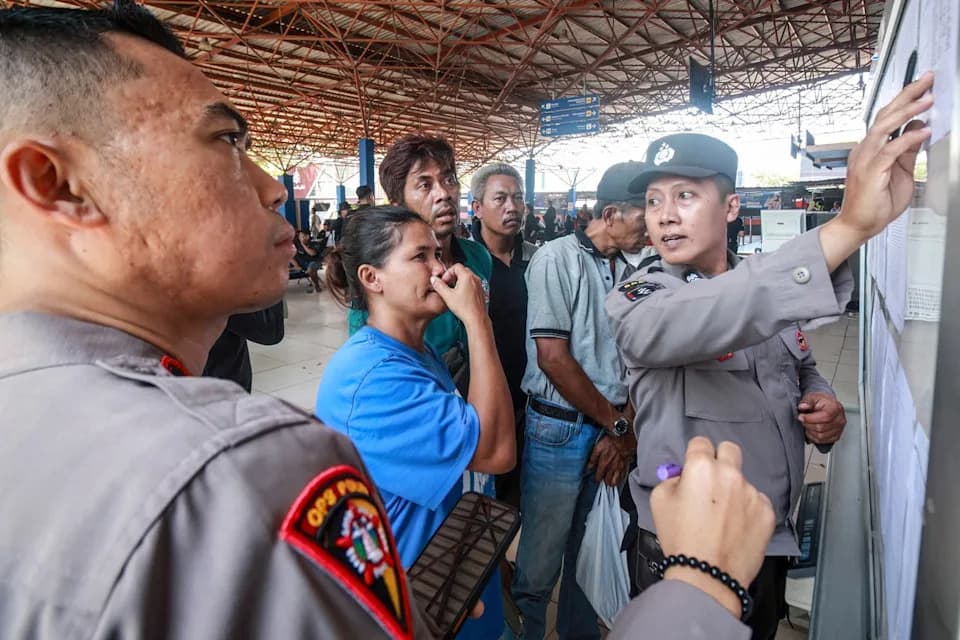
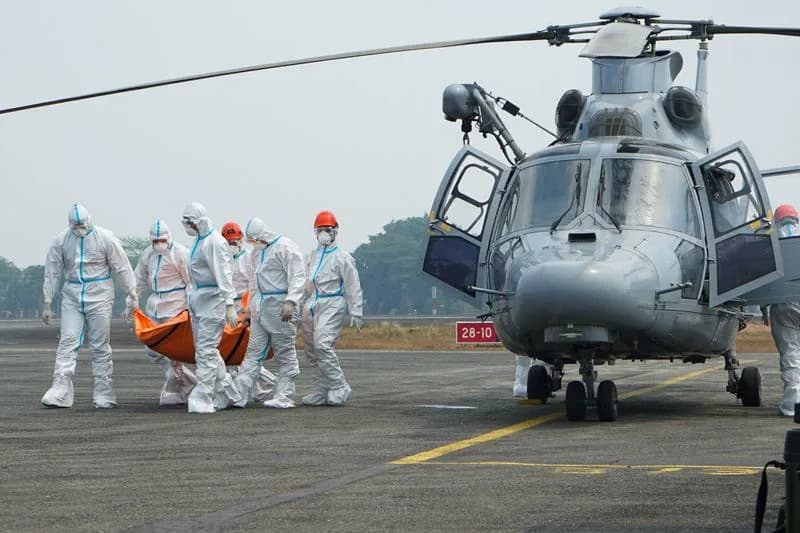
Search and recovery operations have continued, involving police divers, military personnel and local fishermen. Disaster management officials said 77 people were rescued shortly after the vessel capsized; many survivors were first taken to a nearby island and later moved to health facilities in Kariba town.
Survivors told reporters that passengers urged the operator to return to shore after the ferry began taking on water, but the vessel continued into open water before capsizing. Some households have lost multiple relatives in the tragedy, compounding the community toll.
The government has declared a national disaster and deployed welfare agencies to distribute food and provide immediate assistance to affected families. Local officials warned that the loss of the ferry—an essential lifeline for remote fishing communities—has already disrupted food deliveries and local markets that relied on the service.
"It has been difficult to know who to console first, as almost every homestead has lost a relative, and the worst cases more than five relatives at once," Solomon Machipisa told The Herald.
Accidents on Lake Kariba, the world's largest man-made reservoir by volume, are relatively rare, making this incident one of Zimbabwe's worst maritime disasters in decades. Lake Kariba sits on the border between Zimbabwe and Zambia, more than 300 km (186 miles) northeast of the capital, Harare.