The CDC says most iceberg lettuce is safe for consumers, but recalled Taylor Farms de Mexico iceberg lettuce tied to a Cyclospora outbreak should no longer be on the market. The outbreak has sickened 9,481 people across 17 states, with 398 hospitalizations and two deaths. Nearly 13,900 U.S. laboratory-confirmed cyclosporiasis cases since May 1 remain under surveillance. Shoppers should check recalls, dispose of or return recalled products, and monitor CDC and FDA updates.
Most Iceberg Lettuce Is Safe — What Shoppers Should Know About the Cyclospora Outbreak
Iceberg Lettuce Is Safe Again: What Shoppers Need to Know About Recent Outbreak
After weeks of concern about a multistate Cyclospora outbreak linked to iceberg lettuce, federal health agencies say most lettuce is safe to eat — but shoppers should be alert to a specific recall and follow official guidance.
What Happened
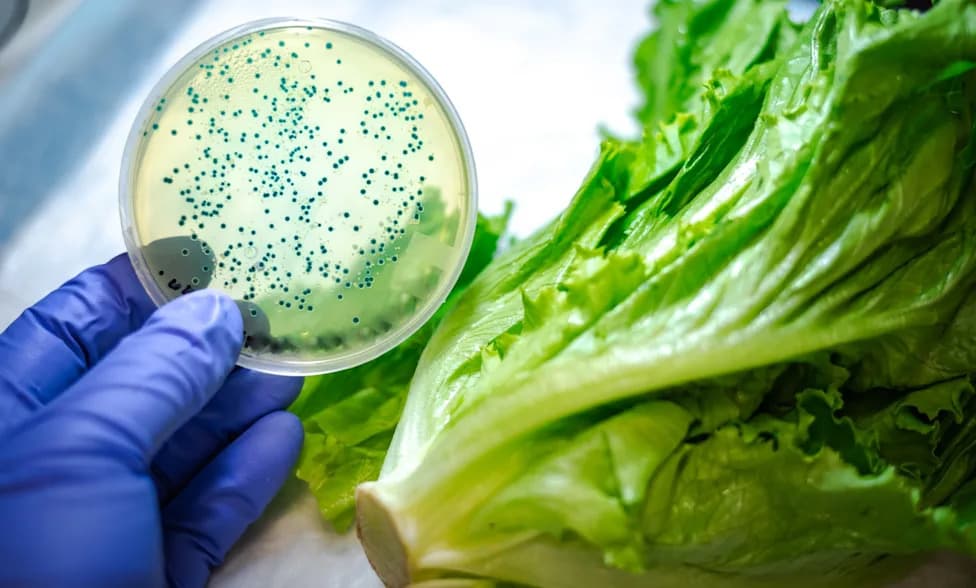
The Centers for Disease Control and Prevention (CDC) and the Food and Drug Administration (FDA) have linked a multistate Cyclospora outbreak to iceberg lettuce distributed by Taylor Farms de Mexico and sourced from central Mexico. The outbreak has sickened 9,481 people across 17 states, resulting in 398 hospitalizations and two deaths, according to the CDC’s most recent update.
Is Your Lettuce Safe?
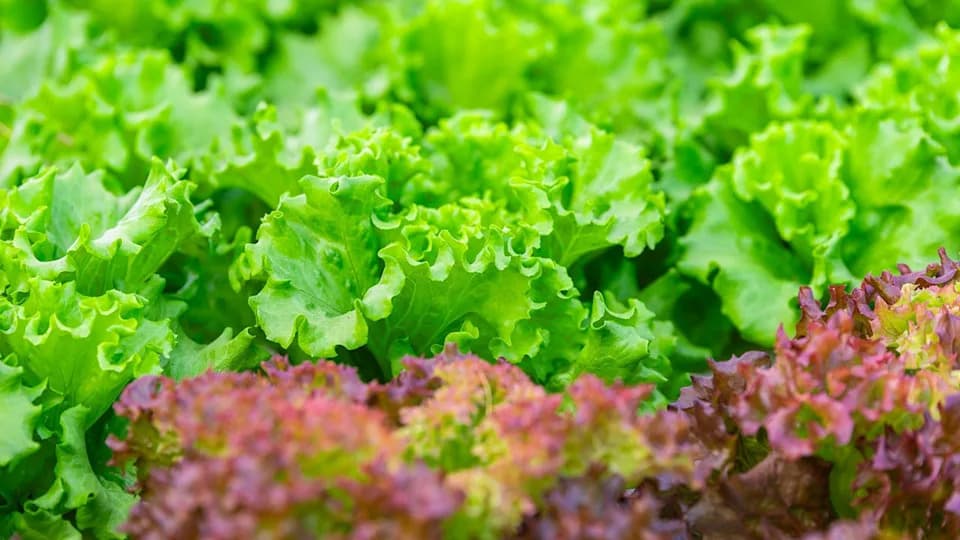
The recalled Taylor Farms de Mexico iceberg lettuce should no longer be in stores or restaurants. The recalled packages carried best-by dates that have now passed, and distributors were instructed to remove the affected products from the market. Consumers do not need to avoid all lettuce because of this recall.
Broader Surveillance
Health officials note the situation is not fully resolved. CDC surveillance shows nearly 13,900 laboratory-confirmed cases of cyclosporiasis acquired in the United States since May 1, and investigators are working to identify additional outbreaks that may not be related to the Taylor Farms products.
What Shoppers Should Do
- Check recalls: Confirm whether any lettuce in your home matches recalled products. If it does, do not eat it — follow the disposal or return instructions provided in the recall notice.
- Monitor official sources: Watch CDC and FDA alerts and your retailer’s notices for updates or new recalls.
- Handle produce safely: Wash hands, utensils and surfaces after handling raw produce. Washing may reduce but not eliminate contaminants; the primary defense is avoiding recalled items.
- When in doubt, discard: If you cannot confirm whether a lettuce product is safe, it’s safest to throw it away or return it according to retailer guidance.
Symptoms And When To Seek Care
Cyclospora is a parasite that causes intestinal illness. Common symptoms include frequent, watery diarrhea, stomach cramps, nausea, fatigue and other gastrointestinal problems. If you experience prolonged or severe symptoms, especially dehydration, contact a healthcare provider. Inform them about any recent salad or raw produce consumption.
The CDC and FDA continue to investigate. Consumers should stay informed through official channels for any new food-safety alerts.
Help us improve.