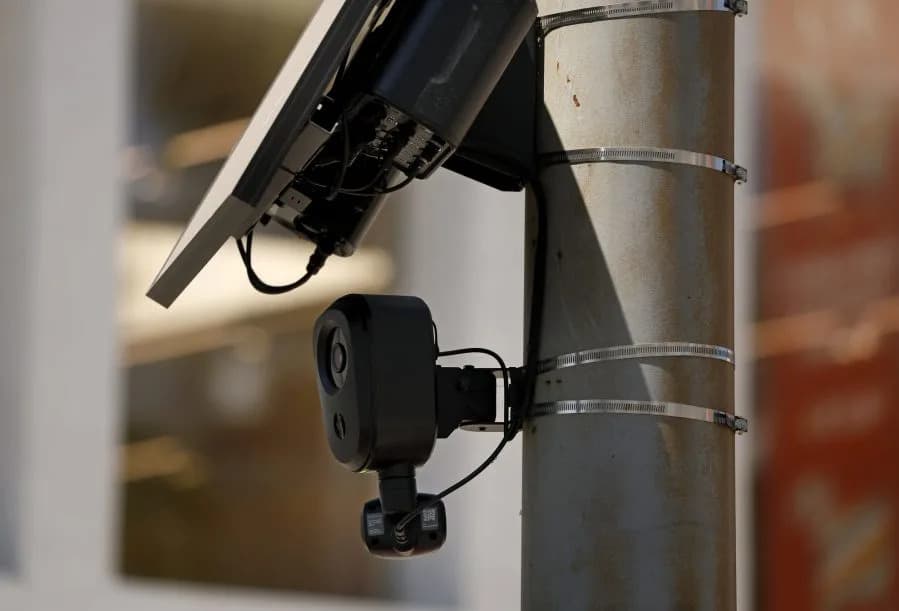
Flock Safety, operator of an estimated 120,000 license-plate cameras in 49 states, says recent criticism is "a big misunderstanding" as CEO Garrett Langley announces new audit tools and a cut in footage retention from 30 days to seven. Civil-rights groups and legal experts call the measures insufficient, citing high error rates and cases of wrongful police actions. Meanwhile, the company’s annualized revenue jumped from about $300M to $500M as it expands into drones and other surveillance products.
Flock Safety Calls Backlash ‘A Big Misunderstanding’ as Surveillance Controversy Escalates

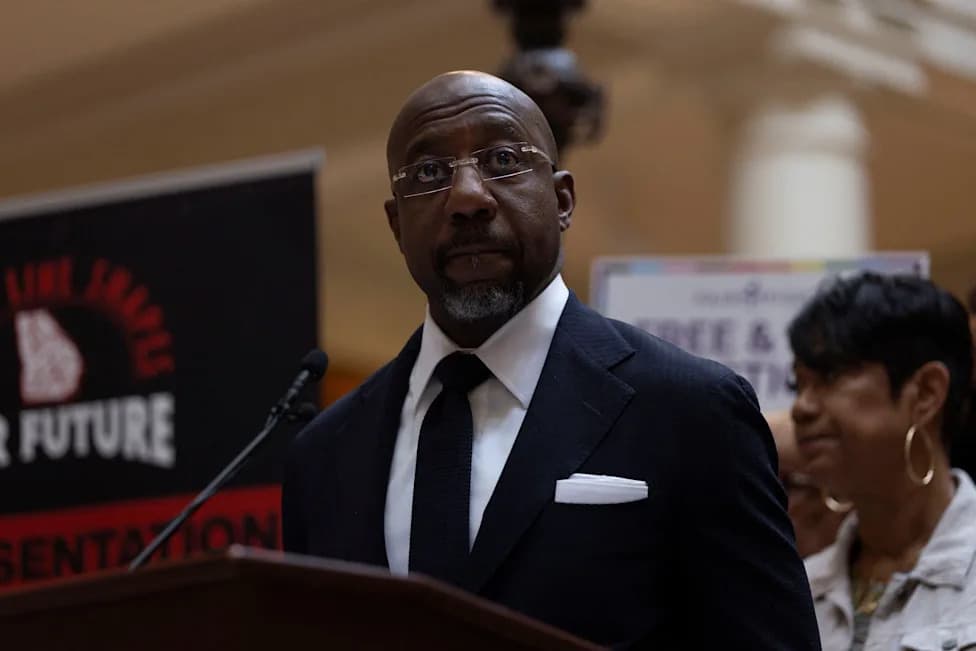
Tasos Katopodis/Getty Images for Semafor World Economy
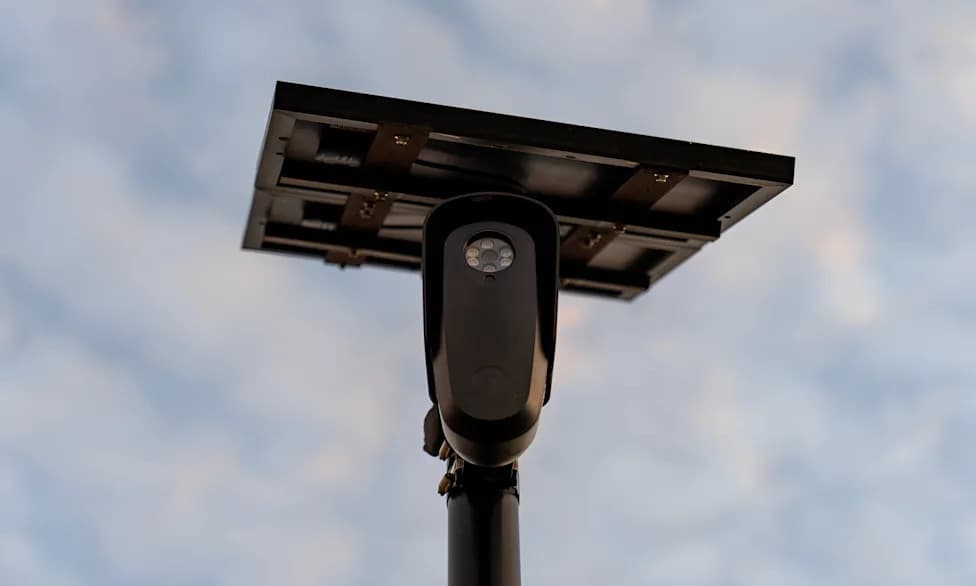
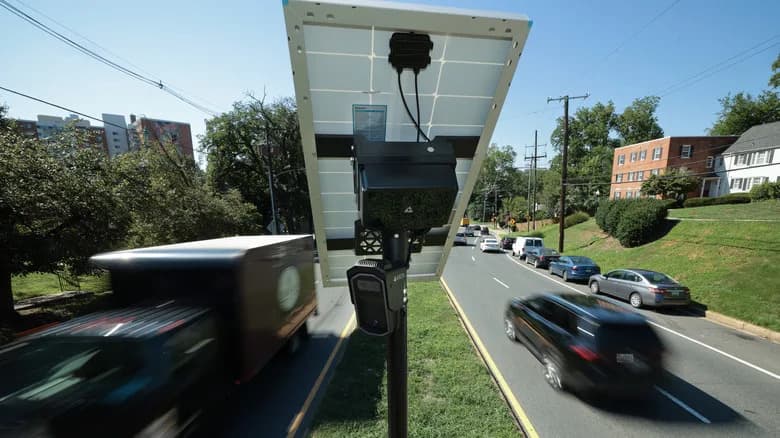
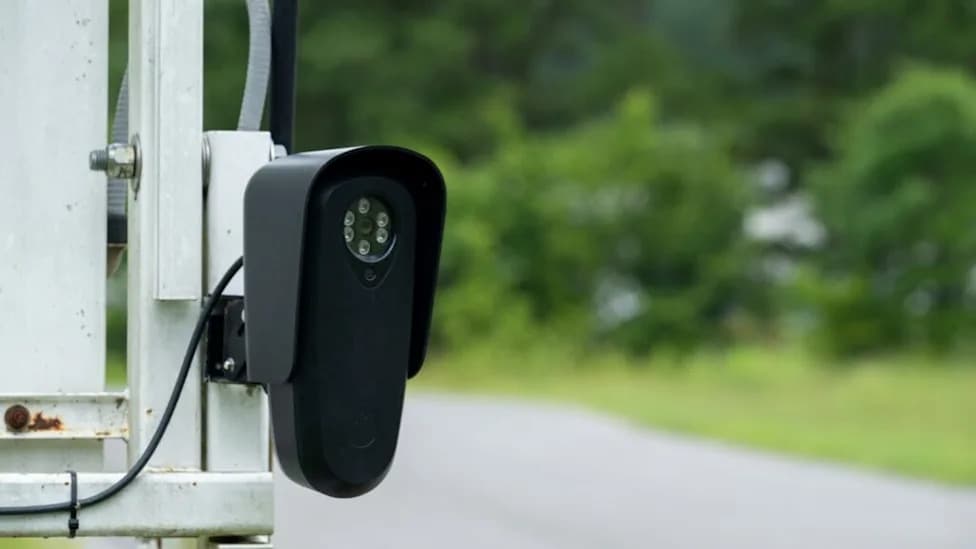
Flock Safety, the company behind an expansive network of automatic license-plate readers, is defending itself as criticism over privacy, accuracy and law-enforcement misuse intensifies. The company now operates roughly 120,000 cameras across 49 states and works with about 6,000 law-enforcement agencies and 1,000 private customers — a reach that has prompted protests, local bans and growing scrutiny from civil-rights groups and lawmakers.
CEO Response And Policy Changes
CEO Garrett Langley has described the backlash as "a big misunderstanding." In a recent interview with Bloomberg he said, "we're not Big Brother" and framed the company as focused on public safety. Flock announced several platform changes intended to address concerns: law-enforcement customers will be required to use an audit tool designed to flag abnormal searches, and Flock is shortening footage retention from 30 days to seven.
Critics Say Reforms Fall Short
Privacy advocates and civil-rights groups welcomed some changes but called them insufficient. The American Civil Liberties Union called the adjustments a "step in the right direction" while warning that many measures repeat prior, inadequate safeguards. Robert Frommer, a senior attorney at the Institute for Justice, told the Associated Press that the reforms amount to "window dressing" because they leave decisions about searches in officers' hands rather than requiring judicial warrants.
Accuracy Problems And Real-World Harms
Questions about Flock's accuracy persist. A Roseville, California, police investigation reportedly found the system misidentified one plate number for another 71% of the time between 2023 and 2024. Whether the underlying algorithms have materially improved since that review remains unclear.
Real-world incidents have raised alarm: Joel Feder, director of content at The Drive, says he was mistakenly flagged by Flock alerts tied to "stolen" plates and was temporarily boxed in by multiple police vehicles. Flock has emphasized that "an alert is a lead, not a conclusion," and that human verification is required.
Public Pushback And Business Growth
Public opposition has included activists cutting down surveillance towers and at least 54 U.S. cities voting this year to cancel, refuse to renew, or reject Flock's automatic license-plate readers. Yet the firm’s business has grown rapidly: Langley told Bloomberg that Flock’s annualized revenue rose from about $300 million in January to approximately $500 million in June.
What’s Next
Flock is expanding beyond fixed cameras into drones, mobile surveillance trailers and gunshot-detection devices — moves likely to intensify debate about oversight and civil liberties. As the company scales, lawmakers, privacy advocates and communities are pushing for clearer rules, stronger accuracy standards, and independent oversight of how alerts are used by police.
Flock Statement: "An alert is a lead, not a conclusion, which should be confirmed by an officer."
Help us improve.