The FDA upgraded an egg recall to Class 1 on Aug. 12 after linking eggs produced on Texas farms to a Salmonella Enteritidis outbreak. The company reported recalling 1,589,577 dozen eggs produced June 6–July 3, with sell-by dates July 20–Aug. 17, 2026; cartons bearing plant codes P-1950 or 0840962 and Julian dates 157–184 are affected. Public health officials reported 98 infections across 17 states, including at least 25 hospitalizations. Consumers should not eat recalled eggs and should return them to the point of purchase for a refund.
FDA Upgrades Egg Recall to Highest Risk Level After Salmonella Outbreak — 98 Infected, 25 Hospitalized
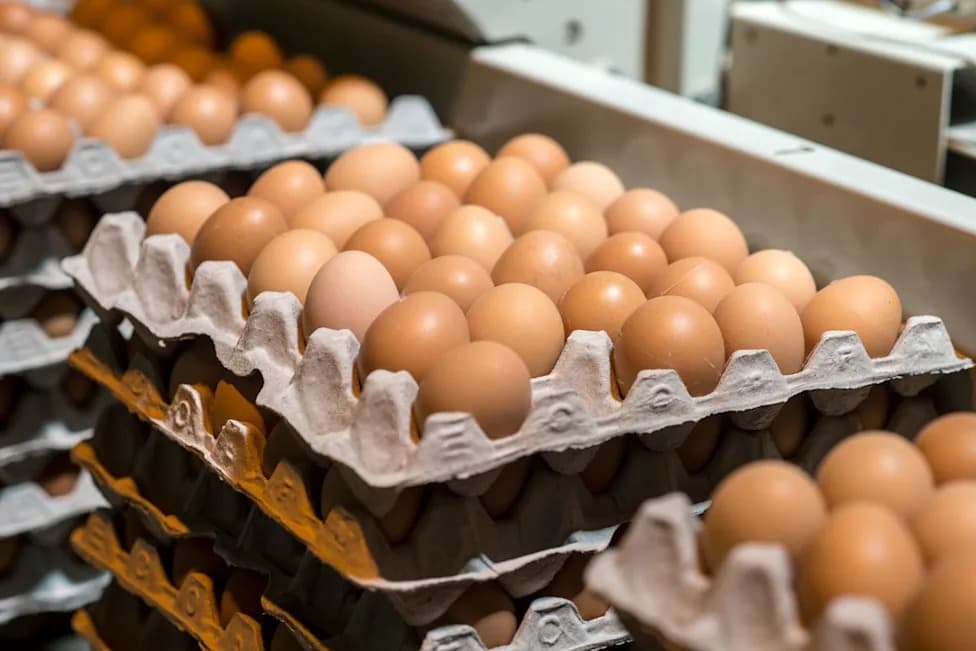
Eggs (stock image)Credit: The Image Bank RF/Getty
The U.S. Food and Drug Administration (FDA) has elevated a large egg recall to its highest risk category after linking the products to a Salmonella Enteritidis outbreak that has sickened dozens across multiple states.
What Happened
On Aug. 12, the FDA reclassified the recall as Class 1, its most serious designation, meaning there is a reasonable probability that exposure to the recalled product could cause serious health consequences or death. The recall stems from eggs produced on Texas farms operated by Midwest Poultry Services L.P.
Scope of the Recall
The company reported recalling 1,589,577 dozen eggs (the company figure). The affected eggs were produced between June 6 and July 3, 2026 and carry sell-by or best-by dates from July 20 through Aug. 17, 2026. They were distributed to retailers in several Midwestern and southern states, including Kroger and Brookshire Grocery.
Consumers can identify recalled cartons by the code printed in date-coding ink on the left or right side of the carton. Cartons with plant numbers P-1950 or 0840962 and a Julian date between 157 and 184 are included in the recall.
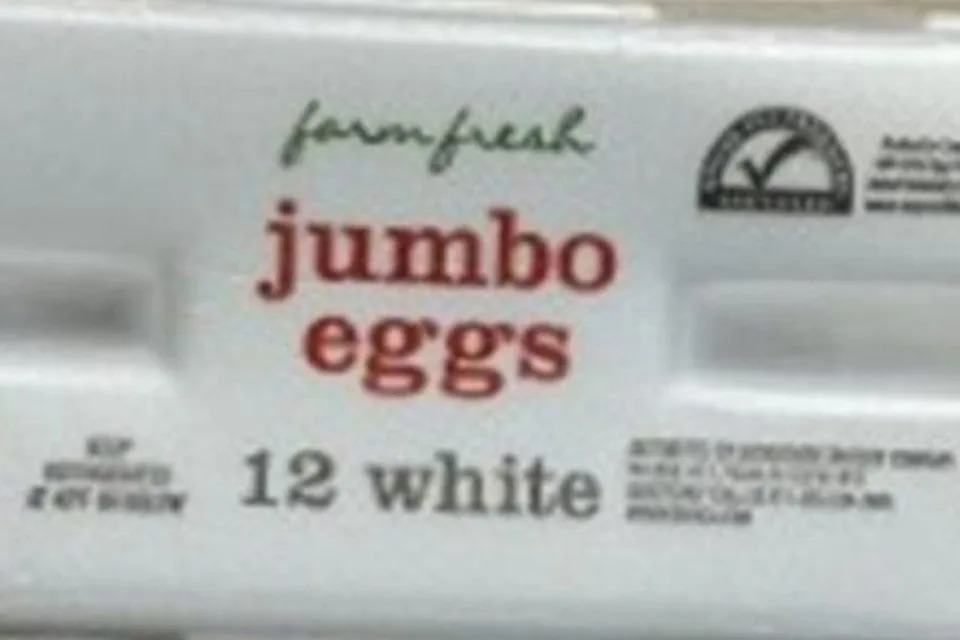
Eggs recalled due to possible Salmonella contaminationCredit: U.S. Food & Drug Administration
Health Impact
As of a July 24 report, public health investigators have linked 98 confirmed infections across 17 states to this outbreak; at least 25 people required hospitalization. Healthy people infected with Salmonella often experience fever, diarrhea, nausea, vomiting and abdominal pain. However, infants and young children, older adults and people with weakened immune systems face an elevated risk of severe or even life-threatening complications if the bacteria enter the bloodstream.
What Consumers Should Do
- Do not eat eggs that match the recalled codes and dates.
- Return recalled eggs to the place of purchase for a full refund.
- Thoroughly clean any surfaces or containers that may have come into contact with recalled eggs.
- If you suspect you are ill from Salmonella infection, contact a healthcare provider promptly.
Investigation and Prevention
The FDA says Midwest Poultry Services identified the contamination through proactive environmental monitoring and root-cause analysis at two Texas farms. The company is not distributing fresh eggs from those Texas farms while the investigation continues.
The Centers for Disease Control and Prevention (CDC) estimates Salmonella species cause about 1.35 million infections annually in the United States. Infections tend to rise during warmer months, when higher temperatures and improper refrigeration can promote bacterial growth.
The FDA and public health partners continue to investigate the outbreak and will update guidance for consumers and retailers as new information becomes available.
Help us improve.