Two years after Donald Trump’s staged grocery display in Bedminster, many staples remain costlier, turning food prices into a political liability for Republicans ahead of the midterms. A Reuters analysis found groceries rose 3.4% in the first 19 months of Trump’s second term, driven by big jumps in coffee and beef despite steep declines in eggs. Voter interviews in New Jersey’s competitive 7th District suggest reduced GOP enthusiasm, and experts warn repeated encounters with high grocery bills can sway swing voters.
Trump’s 2024 Grocery Photo Op Comes Back to Haunt Republicans as Food Costs Bite Voters
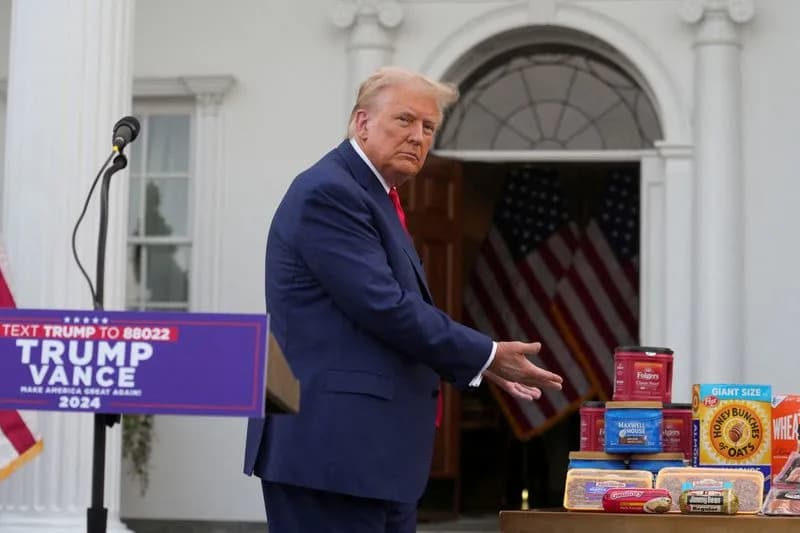
FILE PHOTO: Republican presidential nominee and former U.S. President Donald Trump gestures as he attends a press conference at Trump National Golf Club, in Bedminster, New Jersey, U.S., August 15, 2024. REUTERS/Jeenah Moon/File Photo
Two years after Donald Trump staged a highly visual press briefing at his Bedminster, New Jersey golf club—standing between tables stacked with fruit, beef, cereal, milk and other staples—to spotlight rising food prices under Democrats, many household items remain more expensive. The gap between Mr. Trump’s pledge to lower the cost of living and current grocery prices is emerging as a political vulnerability for Republicans ahead of the November midterms.
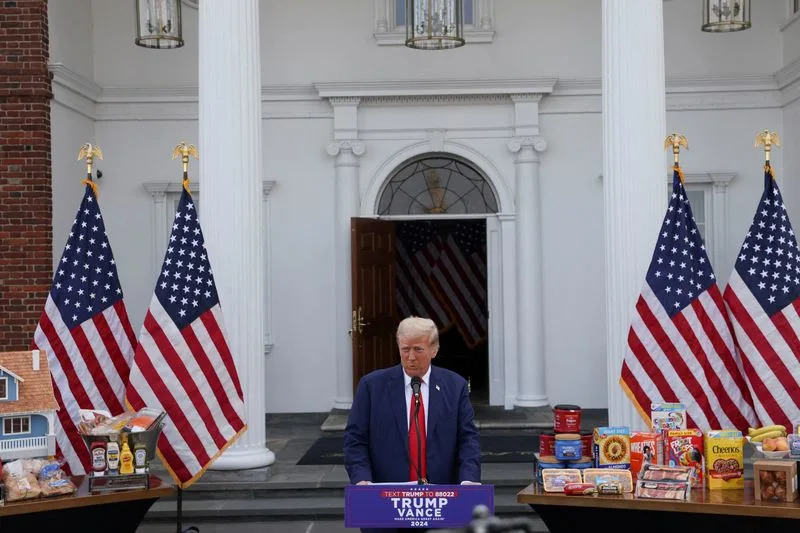
FILE PHOTO: Republican presidential nominee and former U.S. President Donald Trump attends a press conference at Trump National Golf Club, in Bedminster, New Jersey, U.S., August 15, 2024. REUTERS/Jeenah Moon/File Photo
Grocery Prices and Political Risk
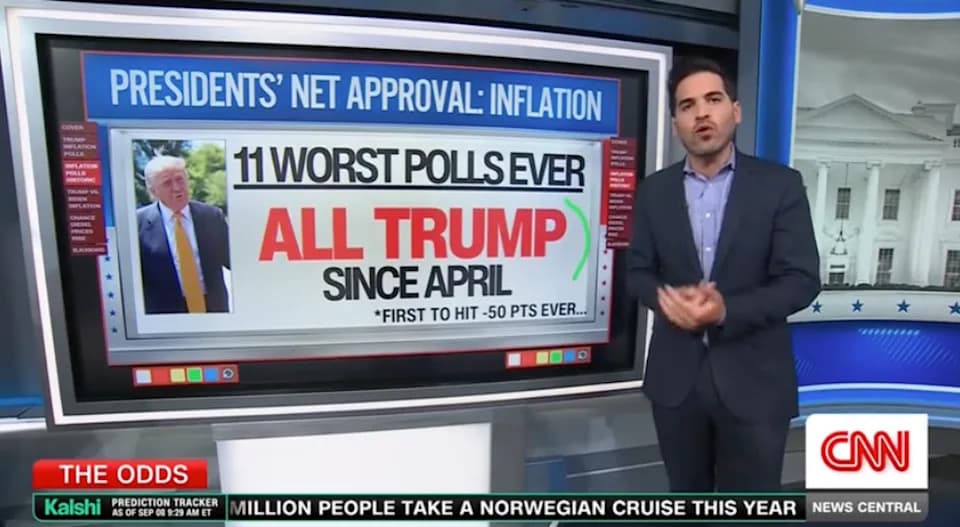
At the August 15, 2024 event, Trump blamed the Biden administration for sharp grocery price increases and presented charts to support his argument. Two years on, higher gasoline and grocery bills continue to squeeze household budgets, making the cost of living a top voter concern. Reuters/Ipsos polling now shows Democrats with a slight edge over Republicans on which party voters trust more to manage the economy—an outcome Republicans did not expect when they leaned heavily on inflation as a campaign issue.
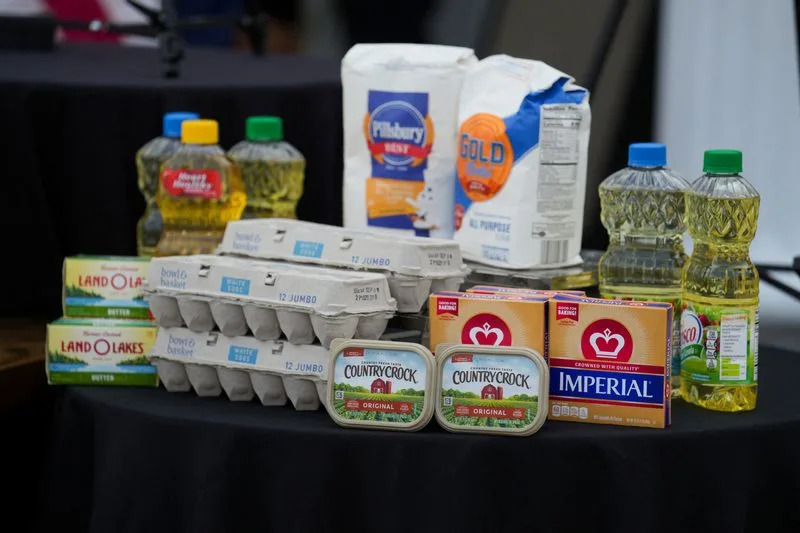
FILE PHOTO: Food products are displayed on a table ahead of a press conference of Republican presidential nominee and former U.S. President Donald Trump, at Trump National Golf Club, in Bedminster, New Jersey, U.S., August 15, 2024. REUTERS/Jeenah Moon/File Photo
What the Data Shows
A Reuters analysis of 26 grocery categories tracked by the Bureau of Labor Statistics—the same categories displayed at Bedminster—found prices rose 3.4% in the first 19 months of Trump’s second term. That pace is lower than the comparable period in President Joe Biden’s term, but it still fails to meet Trump’s pledge to bring prices down. Large increases in coffee, uncooked beef and apples have offset declines in items like eggs and butter.
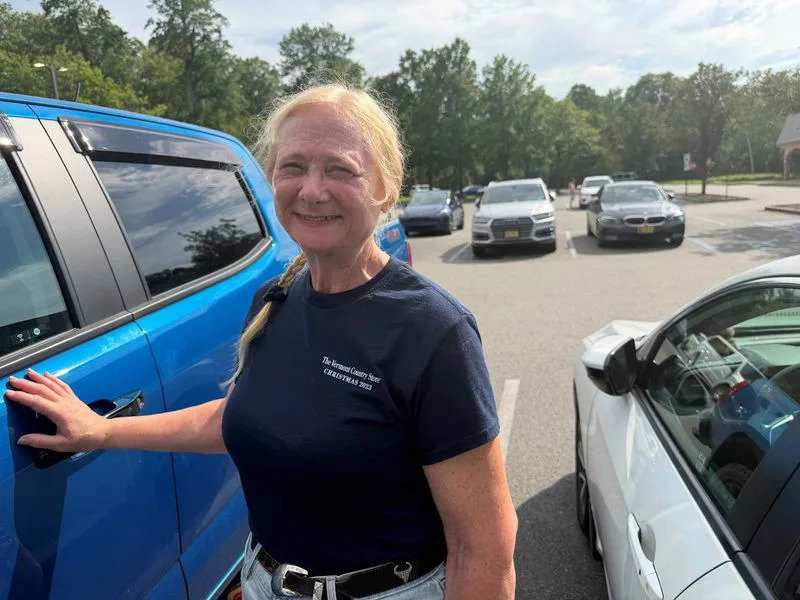
Bonnie Chandler, 64, stands beside her vehicle outside a grocery store in Basking Ridge, New Jersey, U.S., August 8, 2026. Picture taken with a mobile phone. REUTERS/Nathan Layne
Key category changes include: uncooked beef +19.2%, coffee nearly +23%, apples +14%, and fresh fish and seafood +8.6%. By contrast, egg prices have fallen nearly 40%—a correction after avian-flu-related shortages—and six of the 26 tracked categories show declines since 2025, including butter, bacon and cooking fats and oils.

Lauren DeGirolamo, 34, poses for a photograph after a grocery shopping trip in Flemington, New Jersey, U.S., August 9, 2026. Picture taken with a mobile phone. REUTERS/Nathan Layne
The White House responded by citing July's consumer price index, which showed only minimal month-to-month movement, saying the data indicate inflation is under control. A White House official said: “The July CPI report is further proof that President Trump’s long-term agenda is delivering: prescription drug and auto insurance costs continue to fall, real wages are rising, and beef prices have cooled while other household essentials like eggs, poultry, and dairy remain low.”
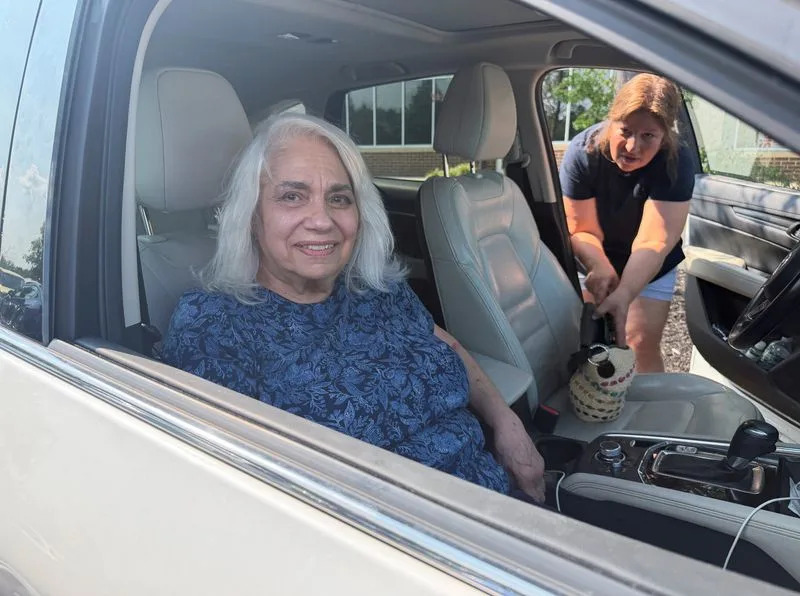
Margaret Dekarch, 84, sits in her car after a shopping trip with her daughter to an Aldi discount supermarket in Flemington, New Jersey, U.S., August 9, 2026. Picture taken with a mobile phone. REUTERS/Nathan Layne
Voter Voices In New Jersey’s 7th District
Reuters interviewed 17 Republicans and independents in New Jersey’s 7th Congressional District, a closely contested battleground that includes Bedminster. More than half said they were undecided or leaning toward Democrat Rebecca Bennett, who has campaigned on the rising cost of living and faces Republican incumbent Tom Kean. Voters expressed frustration over grocery and gasoline prices, and some longtime Republican supporters said financial strain has dampened their enthusiasm to vote.

Volunteers gather outside the Hunterdon County Democratic Committee headquarters as they prepare to knock on voters' doors, ahead of the November midterm elections, in Flemington, New Jersey, U.S., August 9, 2026. Picture taken with a mobile phone. REUTERS/Nathan Layne
“This is real. He can say it’s not, but it is,” said Sheila Carney, 68, a registered Trump voter, after loading about $70 of groceries into her car. “He hasn’t brought anything down.”
Other voters remain loyal to Republican candidates, prioritizing issues such as immigration and education over immediate price pain. Some told Reuters they believe corporate pricing strategies and international events—like the Iran war—are responsible for higher costs rather than Trump’s policies.
Why It Matters
Political scientists warn that repeated, everyday reminders of price pressures—like grocery shopping—can function as persistent negative messaging for incumbents. Francesco Trebbi, a UC Berkeley public policy professor, said past research shows Trump gained in places where inflation eroded purchasing power; that trend could reverse if rising prices continue to outpace income growth.
With midterm turnout and swing voters likely to decide close races, the cost-of-living narrative poses both a direct policy challenge and an electoral test for Republicans who tied much of their 2024 messaging to inflation management.
(Reporting by Nathan Layne in Bedminster, New Jersey, Dan Burns in New York, and Jason Lange in Washington; editing by Ross Colvin and Alistair Bell.)
Help us improve.