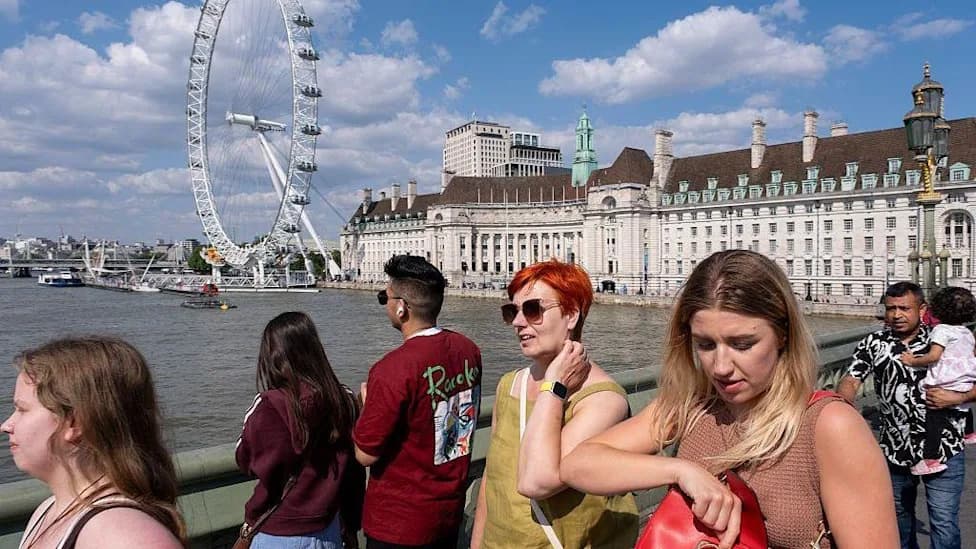
Westminster's draft licensing plan for Soho — its first under the 2026 devolution changes — proposes discouraging "vertical drinking" and designating the area a cumulative impact zone, prompting a high-profile dispute with City Hall. The mayor's office warns the measures could harm a night-time economy worth £21bn and 600,000 jobs; Westminster denies any ban on standing drinkers and points to crime and transport as the real issues. The row matters because new rules require mayoral consultation and may give the mayor additional "call-in" powers, and similar clashes are likely across other London boroughs.
Soho Showdown: Mayor vs Westminster Over 'Vertical Drinking' and Nightlife Control
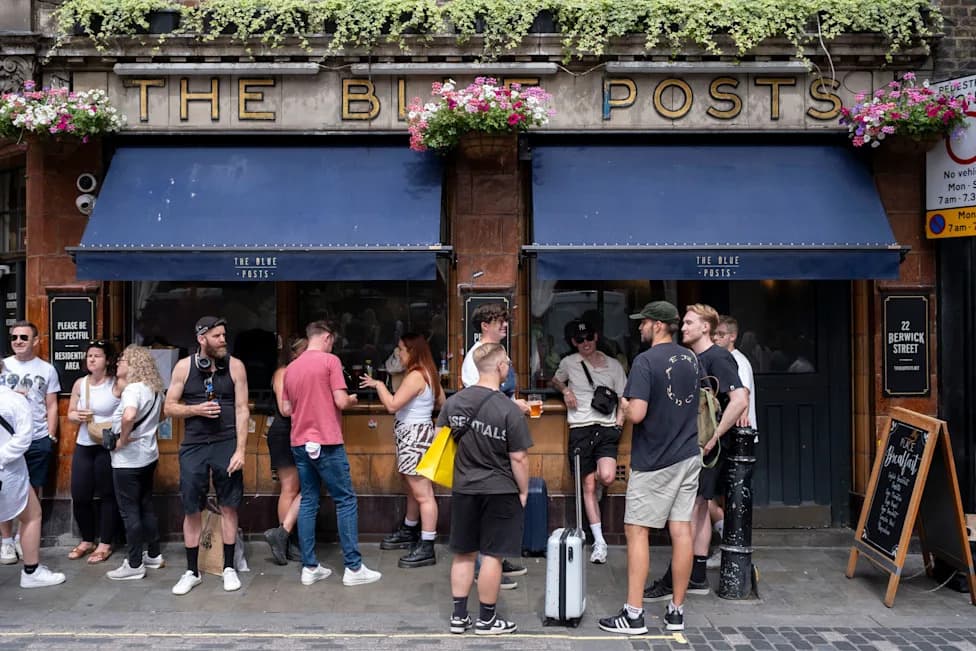
[AFP via Getty Images]
The fight over Soho's future has become a high-profile clash between Westminster City Council and City Hall, centring on a new draft licensing plan that critics say could reshape how Londoners enjoy the area at night.
What sparked the row
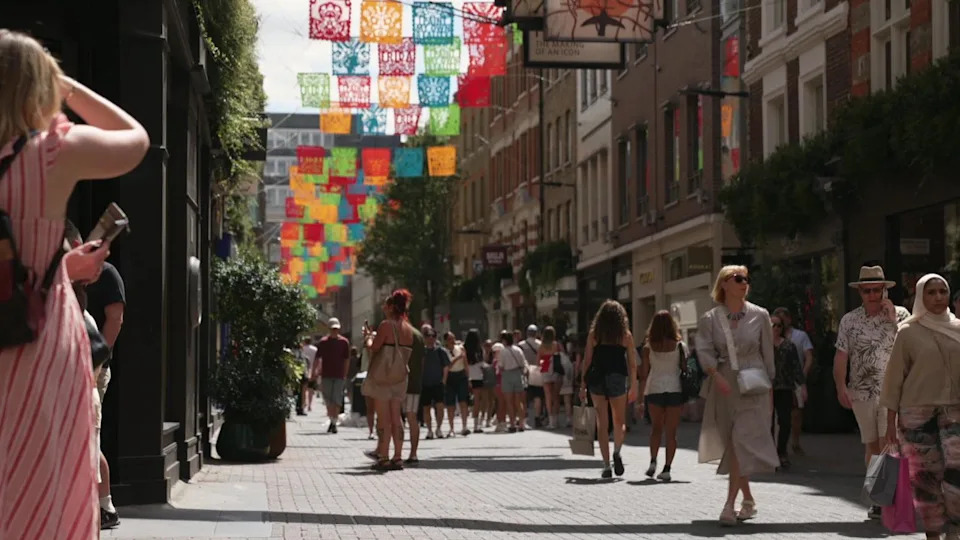
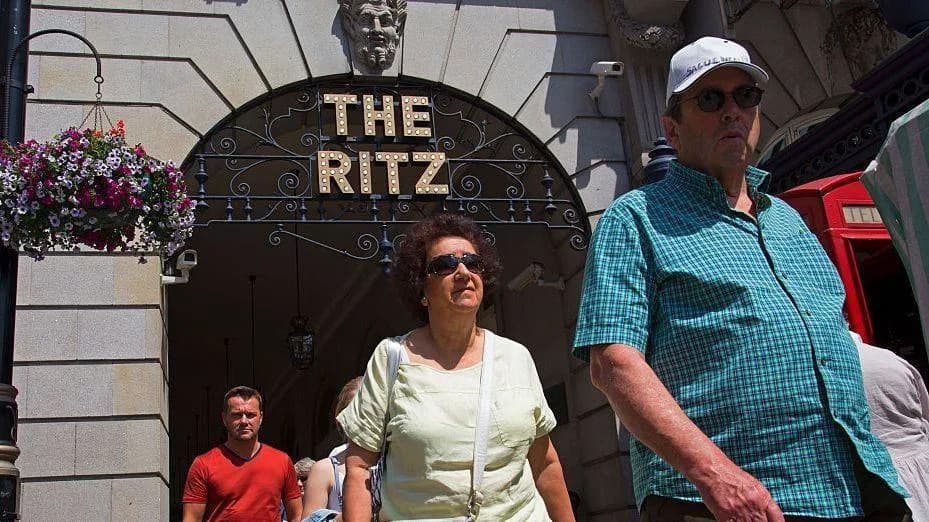
Questions have been raised over who should decide the future of Soho's pubs clubs and restaurants [BBC]
Westminster's draft licensing plan — the first to be published since changes in the 2026 English Devolution and Community Empowerment Act — says the council will "discourage excessive drunkenness and encourage the provision of more seating in premises that serve alcohol... in place of open bar space that caters for high volume vertical drinking." Some commentators and media headlines framed that wording as a ban on standing and drinking; the council says that interpretation is inaccurate, though the policy could affect new licence applications.
City Hall's concerns
London Mayor Sadiq Khan's office has criticised parts of the draft as "overly onerous and archaic," arguing the measures could harm Soho's hospitality sector. Deputy Mayor for Culture Justine Simons urged a more positive approach — "pro-business, pro-nightlife, pro-London and pro-joy" — and warned the draft reads like a nuisance-first policy that risks undermining a night-time economy the mayor's office values at £21bn and 600,000 jobs.
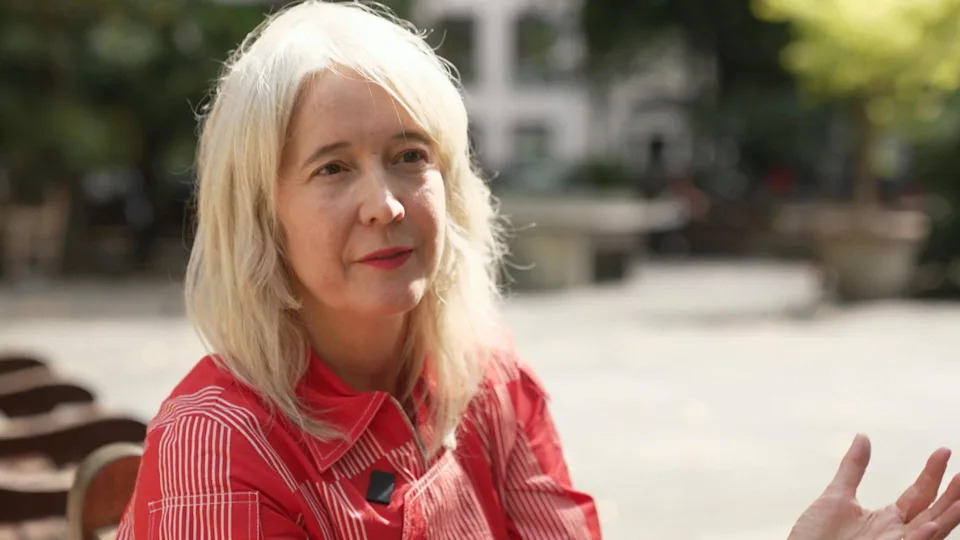
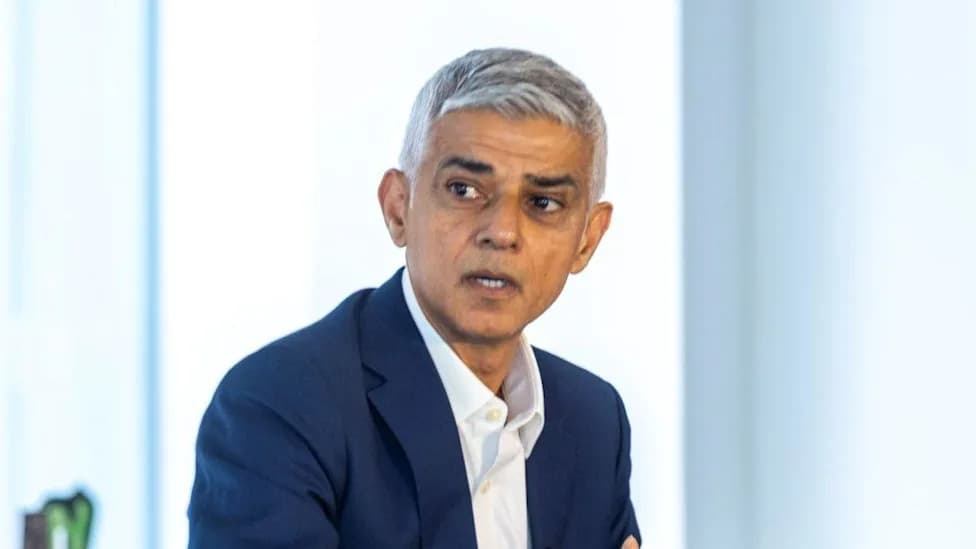
City Hall says it is worried the plans will harm businesses in Soho [BBC]
What A Cumulative Impact Zone Means
The draft also proposes designating Soho as a cumulative impact zone — an area with a high concentration of pubs, clubs and restaurants where new licence applications are more likely to be refused unless exceptional circumstances are shown. That measure is intended to protect local amenity and manage disorder, but business groups say it could stifle growth.
Political And Practical Tensions
Westminster accuses the mayor of politicising the issue. Deputy leader Tim Barnes denied any intention to ban standing drinkers or to curtail activity after 10pm, saying the council's aim is to create opportunities for new venues in an area that already has the highest concentration of hospitality sites in central London.
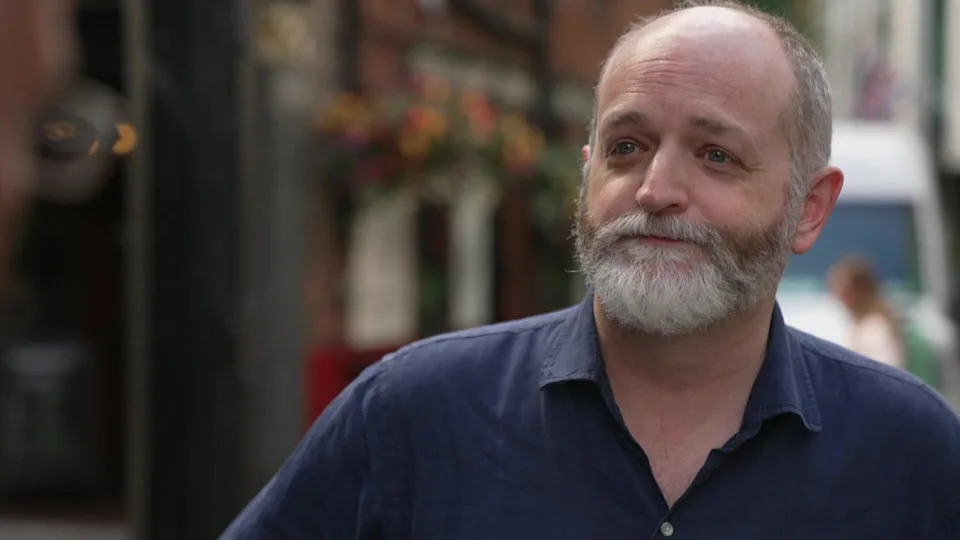
Westminster Council says its plan is about improving and protecting Soho [BBC]
"There aren't any real truths to the idea that we want to stop vertical drinking inside or outside pubs," — Tim Barnes, Westminster deputy leader.
The council also points to local challenges it believes need attention: it highlights that 26% of London's low-level crime — such as phone theft — occurs in the West End and St James's wards around Soho, and calls for improved late-night transport including more night buses and a Thursday Night Tube.
City Hall says it has invested £4.5m in a new West End police unit and defends its stewardship of London's night-time economy, while Westminster argues better policing and transport, rather than licensing restrictions, would address the area's problems.
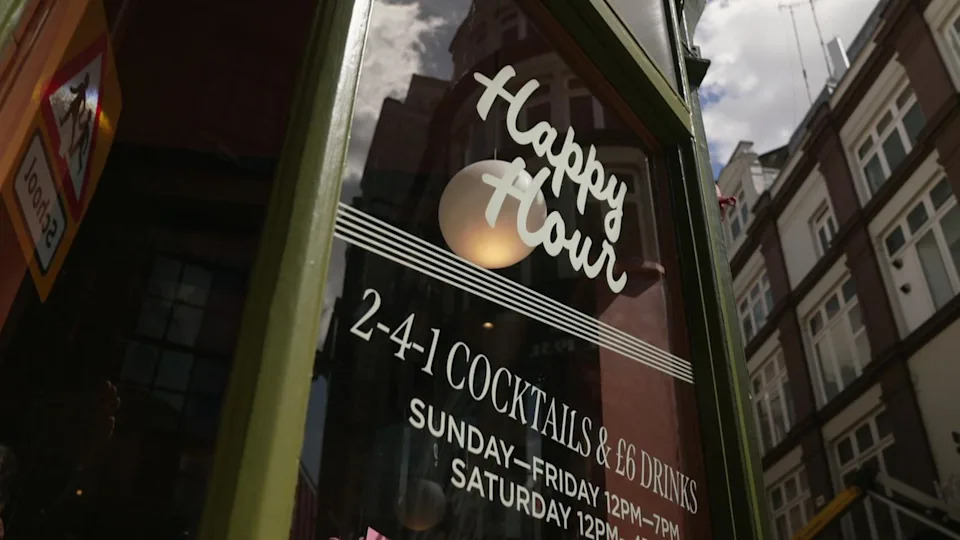
Westminster's licensing plan is the first to be scrutinised by City Hall under new laws [BBC]
Wider Implications
Because of the 2026 law changes, Westminster must respond to City Hall's concerns and the mayor is expected to gain further "call-in" powers later this year to challenge individual licence decisions. Westminster's plan is the first under the new process — but every London borough will produce a similar plan, so the way City Hall manages future disputes will be closely watched.
The licensing spat arrived at the same time as another flashpoint: the mayor's Oxford Street Development Corporation taking control of planning between Oxford Circus and Selfridges, a move strongly opposed by Westminster. Observers say the overlap suggests more clashes between the mayor and local authorities are likely.
Bottom line: The Soho dispute is both practical and political — about how to balance public order, transport and the night-time economy, and about who ultimately has the final say over London's nightlife.
Help us improve.