South Korean President Lee Jae Myung has proposed direct talks with North Korea to formally end the Korean War and suggested a "multi-layered security system" to reduce incidents along the DMZ. He offered to negotiate practical steps to curb Pyongyang's nuclear programme while reaffirming Seoul's long-term goal of denuclearisation. North Korea has not publicly replied and conducted another ballistic missile test this week amid ongoing regional tensions.
South Korea Proposes Direct Talks To Formally End Korean War, Offers Security Pact and Nuclear Talks
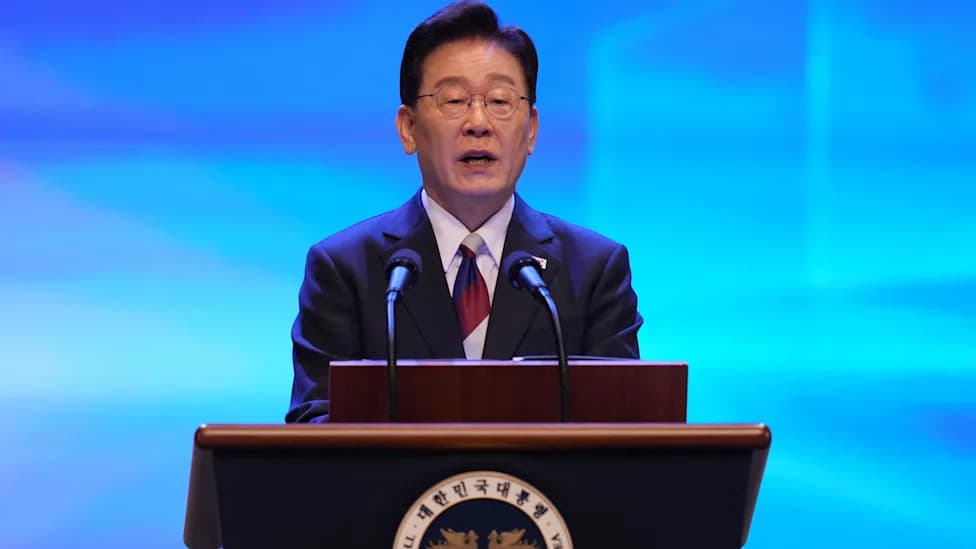
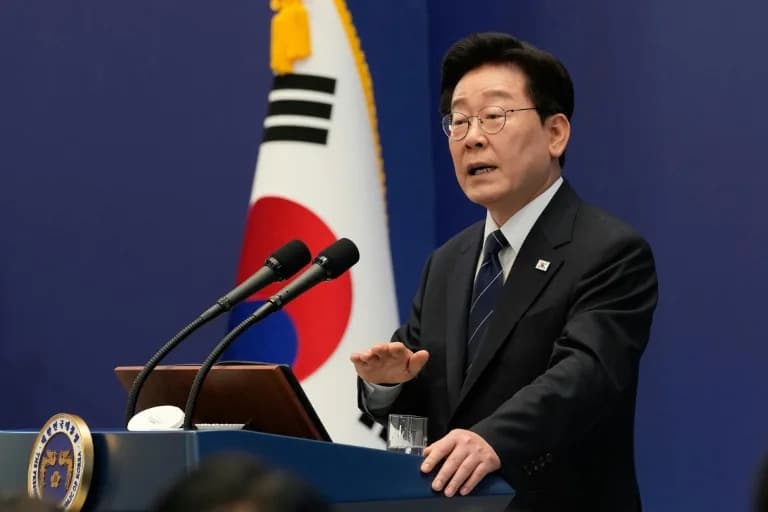
South Korean President Lee Jae Myung said talks could yield "peaceful coexistence" [Getty Images]
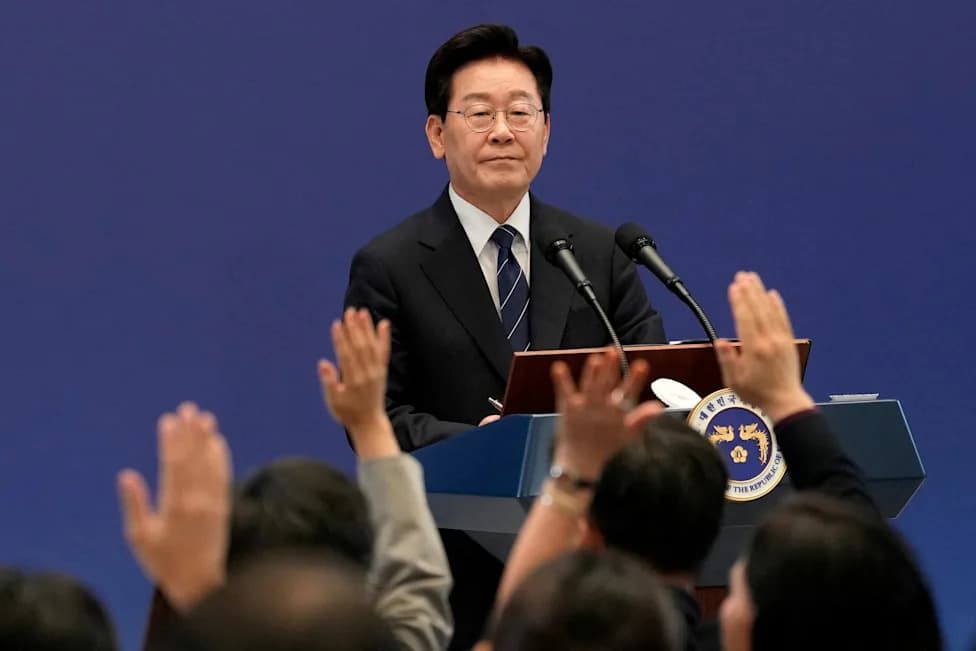
South Korean President Lee Jae Myung has called for direct negotiations with North Korea to formally end the Korean War, proposing a "multi-layered security system" to reduce the risk of incidents along the demilitarised zone (DMZ) and offering to discuss practical measures to curb Pyongyang's nuclear programme.
Lee made the proposal while addressing a Liberation Day ceremony, which marks the peninsula's liberation from Japanese colonial rule. He emphasised the need for the two Koreas to "put down our intentions to threaten each other and begin discussions to end the long-running war as the directly involved parties."
What Lee Is Proposing
Multi-Layered Security System: A framework intended to prevent accidental or intentional military flare-ups along the DMZ through stepped-up communication, confidence-building measures and agreed protocols.
Nuclear Talks: Practical discussions aimed at halting or slowing North Korea's nuclear advancement, which Lee described as a realistic intermediate goal even as Seoul maintains its longer-term aim of full denuclearisation.
Context And Reactions
The Korean War has been technically unresolved since an armistice was signed in 1953; no formal peace treaty has been concluded. Despite the ceasefire, the DMZ has seen periodic skirmishes and frequent accusations of provocations from both sides, including the release of balloons carrying propaganda and debris.
North Korea declared itself a nuclear power in 2022 and has publicly pledged to retain its arsenal. Analysts estimate Pyongyang possesses dozens of warheads and that production may be increasing by an estimated 15–20 warheads per year, according to statements Lee has previously cited.
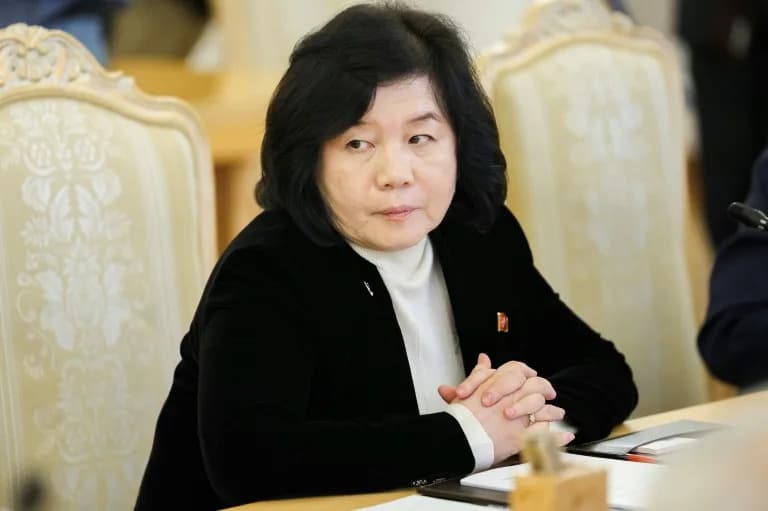
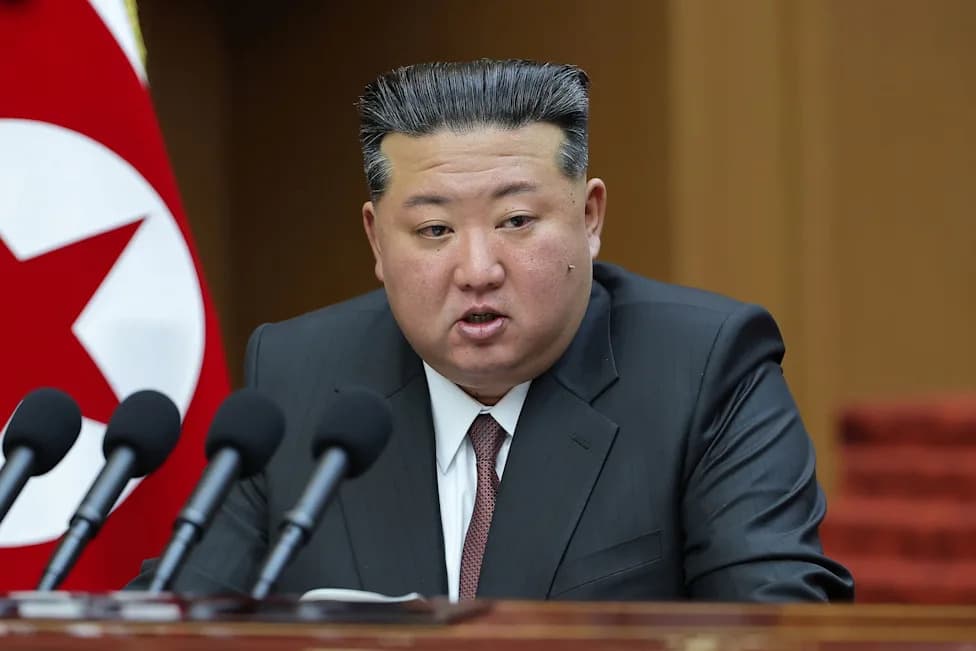
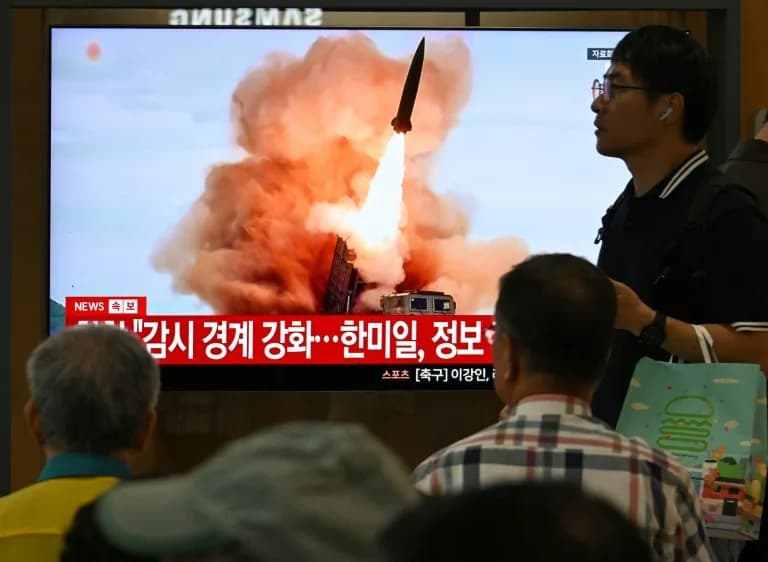
Pyongyang has not publicly responded to Lee's latest offer. State media instead reported domestic Liberation Day events led by Kim Jong Un. In a separate signal of continued tensions, North Korea fired a ballistic missile into the sea this week — reportedly the 11th suspected test of the year — just days before a scheduled US–South Korea joint military exercise.
Regional Implications
Seoul's outreach comes amid efforts to mend frayed ties with Beijing and to recalibrate relations with Washington. Lee has signalled willingness to engage both the North and regional partners on security arrangements that could reduce the likelihood of miscalculation while exploring ways to address Pyongyang's nuclear capabilities.
"Let us put down our intentions to threaten each other and begin discussions to end the long-running war as the directly involved parties," Lee said, calling for direct, face-to-face talks focused on peaceful coexistence and mutual growth.
The proposal's prospects remain unclear: North Korea has rebuffed past outreach at times, criticising joint U.S.–South Korea military cooperation and other policies. Any movement toward formal peace and nuclear restraint would require complex diplomacy involving Seoul, Pyongyang, Washington and regional stakeholders.
Help us improve.