The FBI warns rental scams are on the rise in Boston as students rush to secure housing. A Boston University graduate wired $5,280 for a Beacon Street sublet she never saw, and the bureau says investigators have recorded more than 490 victims with $2.6 million in reported losses. Authorities urge renters to avoid wire transfers, insist on in-person viewings, verify landlords independently, and report suspected fraud to law enforcement.
FBI Warns: Rental Scams Spike in Boston as Students Rush — Grad Student Loses $5,280
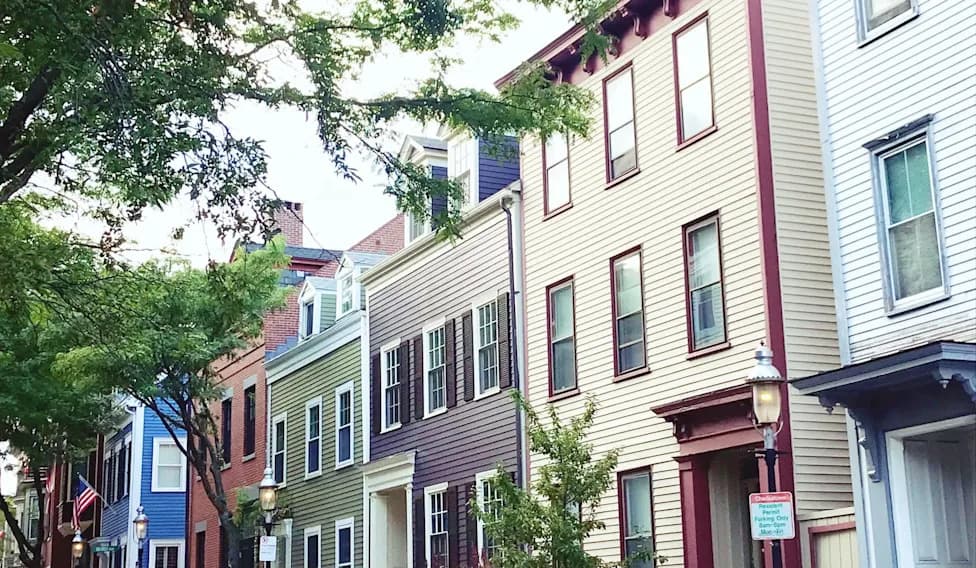
Photo Credit: iStock
As the new semester approaches, Boston-area students searching for off-campus housing face a growing threat from rental fraud, the FBI warns. One Boston University graduate student, Shana Sargeant, says she lost $5,280 after wiring funds for a sublet she never toured.
Sargeant found a Beacon Street listing on Sublet.com for a furnished studio advertised at $1,800 per month with utilities included. According to WBZ-TV, the listing contact pressured her to submit an application and send a deposit immediately, claiming another renter was interested. Sargeant’s mother wired about $5,280 to cover a security deposit and the first months’ rent before the student had seen the unit in person.
"We have over 490 victims and we see that they reported losses of $2.6 million," said Ted Docks, special agent in charge of the FBI's Boston division. "So, this is a legitimate issue. It's a legitimate threat."
When Sargeant later went to view the apartment, the contact did not show up. The FBI says incidents like this are increasing around the start of academic terms, when tight timelines, fierce competition and limited inventory make students especially vulnerable.
How the Scams Work
Scammers often post convincing listings with competitive rents and desirable locations to create urgency. Common tactics include:
- Pressuring prospective renters to act quickly by claiming high demand.
- Requesting payment by wire transfer or cryptocurrency before an in-person viewing.
- Using fake listings on legitimate platforms or stolen photos and descriptions.
Why Recovery Is Difficult
Wire transfers and some cryptocurrency transactions can be quickly moved across accounts and jurisdictions, which makes tracing and recovering funds challenging once victims realize they were scammed.
Practical Tips to Avoid Rental Scams
- Never wire money or send cryptocurrency to someone you haven’t verified.
- Insist on an in-person viewing or a verified virtual tour before paying anything.
- Verify the landlord or listing through official records, property management companies, or the hosting site’s verified listings.
- Use traceable payment methods (credit card, check, or a reputable escrow service) and get a signed lease or receipt.
- Research the property address and photos for duplicates elsewhere online to spot suspicious reuse.
- Report suspected scams to the FBI Internet Crime Complaint Center (IC3), the FTC, and local police immediately.
Scammers exploit urgency and the high demand students face each school year. By following basic verification steps and refusing untraceable payments, renters can reduce their risk and protect their funds.
Help us improve.