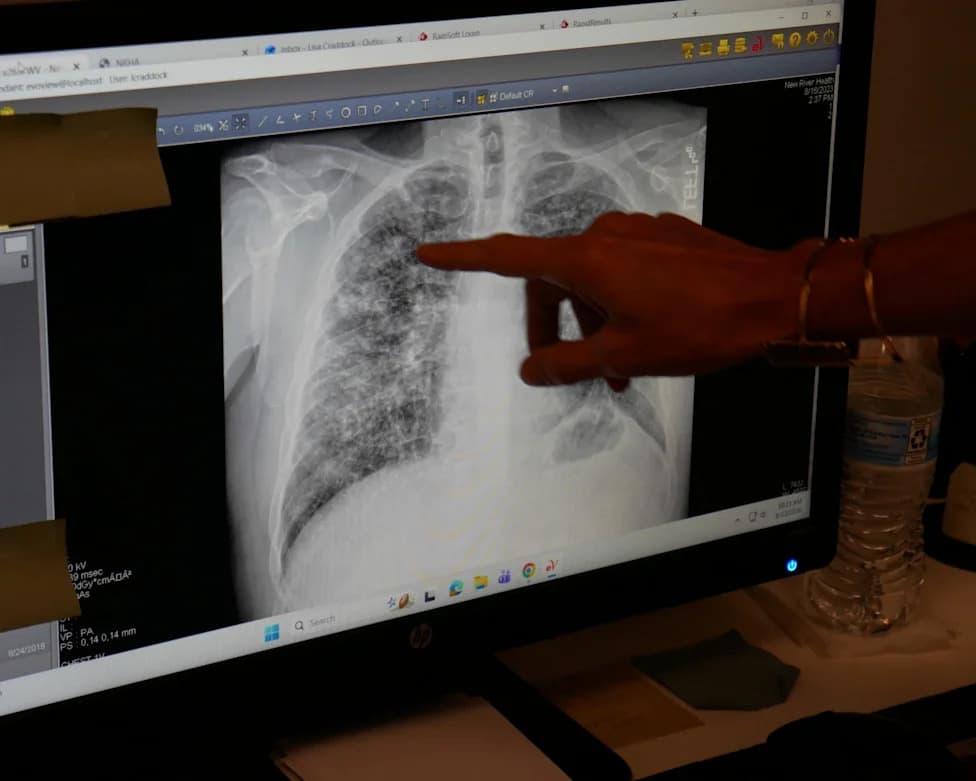
At least 31 people have died and 592 cases of silicosis were identified in California among workers who fabricate engineered stone ("quartz") countertops from Jan. 2019–Jun. 2026. Engineered stone typically contains over 90% crystalline silica, and cutting, grinding and polishing release respirable dust that can cause progressive, incurable silicosis. The report says 65 affected workers required lung transplants and urges improved clinical reporting, surveillance, workplace controls and policy change to prevent further cases.
Quartz Countertops Tied to 31 Deaths in California — New Report Urges Urgent Action
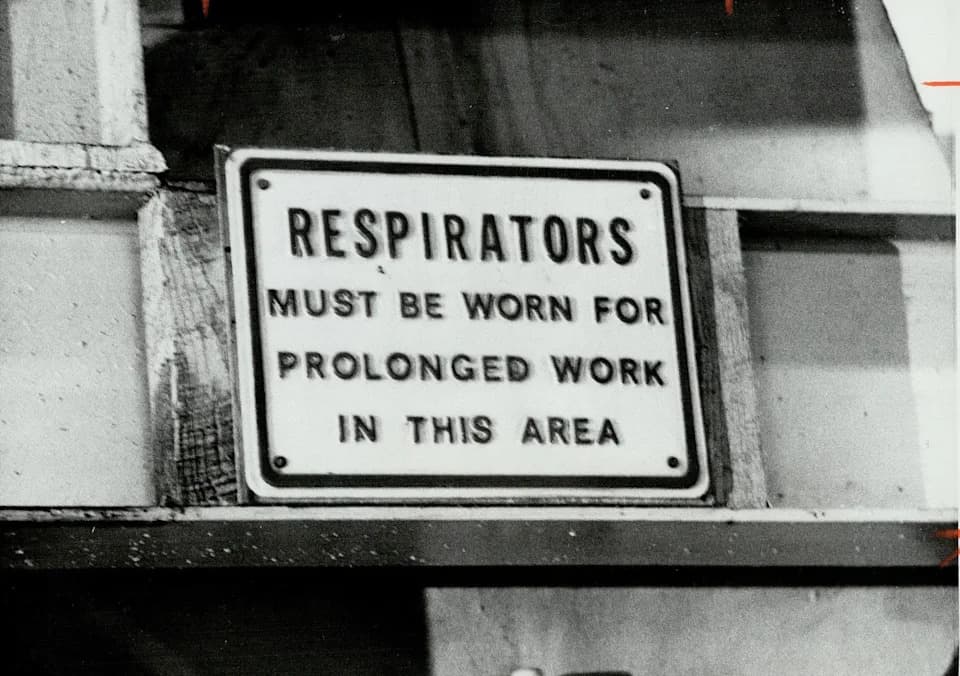
Respirators required in two areas. (Photo by Jeff Goode/Toronto Star via Getty Images)
At least 31 people have died and hundreds more have been sickened in California after exposure to respirable crystalline silica released while fabricating engineered stone countertops commonly sold as “quartz,” a new report shows.
The California Department of Public Health (CDPH) analysis, released Aug. 14 and covering Jan. 2019 through June 2026, identified 592 cases of silicosis among workers who cut, grind or polish engineered stone. Of those cases, 65 people required lung transplantation and 31 died. The report combines hospital records, self-reports and other surveillance data.
Why Engineered Stone Is Dangerous
Engineered stone slabs are typically manufactured by crushing natural quartz into a fine powder, then binding it with polyester resins and pigments. The resulting material often contains more than 90% crystalline silica — a level that places fabrication workers at high risk when dust is released during cutting, grinding or polishing.
"Silicosis is an incurable lung disease caused by inhaling respirable crystalline silica dust," the report states. "Engineered stone...typically contains more than 90% crystalline silica, placing workers who cut, grind and polish the material at particularly high risk."
Key Findings and Concerns
The report documents a growing occupational threat over the past two decades and highlights that silicosis is progressive and currently incurable. Even though safer countertop materials exist and regulations have been updated in some places, many workers remain exposed to hazardous silica levels. The authors call for stronger clinical reporting, improved public-health surveillance, workplace controls, and policy changes to prevent further cases.
Recommendations to Protect Workers
- Reduce or eliminate silica dust exposure through material substitution where possible.
- Use wet cutting methods and local exhaust ventilation to suppress dust during fabrication.
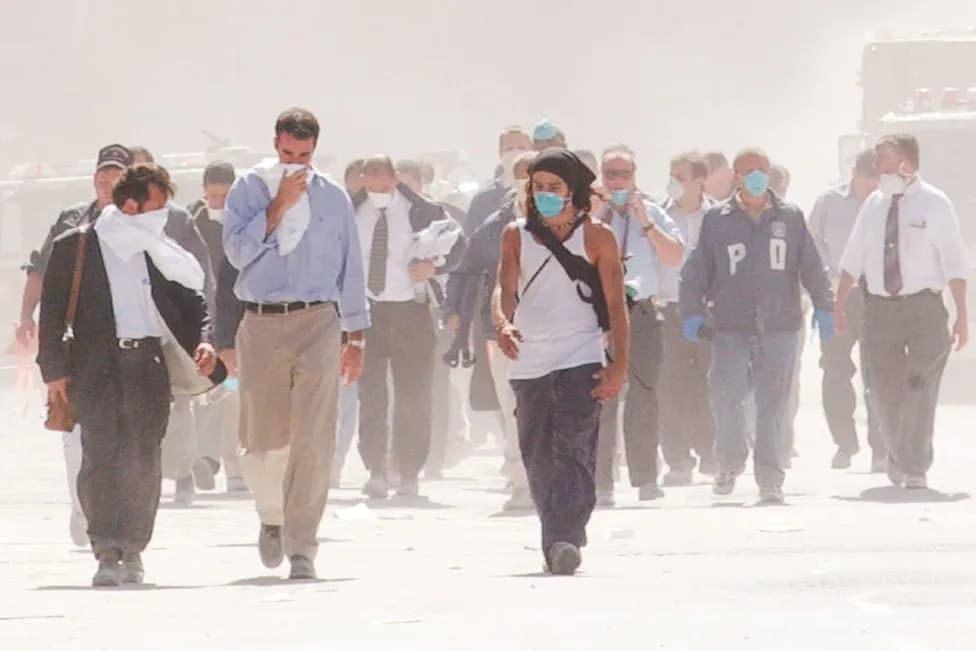
- Provide fit-tested respiratory protection and appropriate training when engineering controls cannot fully control exposures.
- Improve clinician awareness and mandatory reporting to public-health authorities for early detection and surveillance.
- Pursue stronger regulatory and enforcement measures at state and federal levels.
David Michaels, a co-author of the report and professor at George Washington University’s Milken Institute School of Public Health, emphasized that hundreds of workers have been harmed making a product that is not essential and for which safer alternatives exist. The CDPH and academic release urges clinicians, public-health departments, employers and policymakers to act now to halt this preventable epidemic.
Originally reported by Men’s Journal and based on the California Department of Public Health report and a George Washington University news release.
Help us improve.