The UCLA analysis of National Cancer Database records (2012–2023) found that median time from diagnosis to first treatment increased across six cancer types, with the largest rises in gastric (+14 days) and lung (+12 days) cancers. Delays were longest for patients on Medicaid, Black patients, people of lower socioeconomic status, and those treated at large academic centers. Researchers warn that consolidation of health systems and administrative referral processes may be driving these trends and urge system-level solutions to monitor and reduce surgical-treatment delays.
UCLA Study Finds Growing Delays From Cancer Diagnosis to First Treatment — Disparities Widen
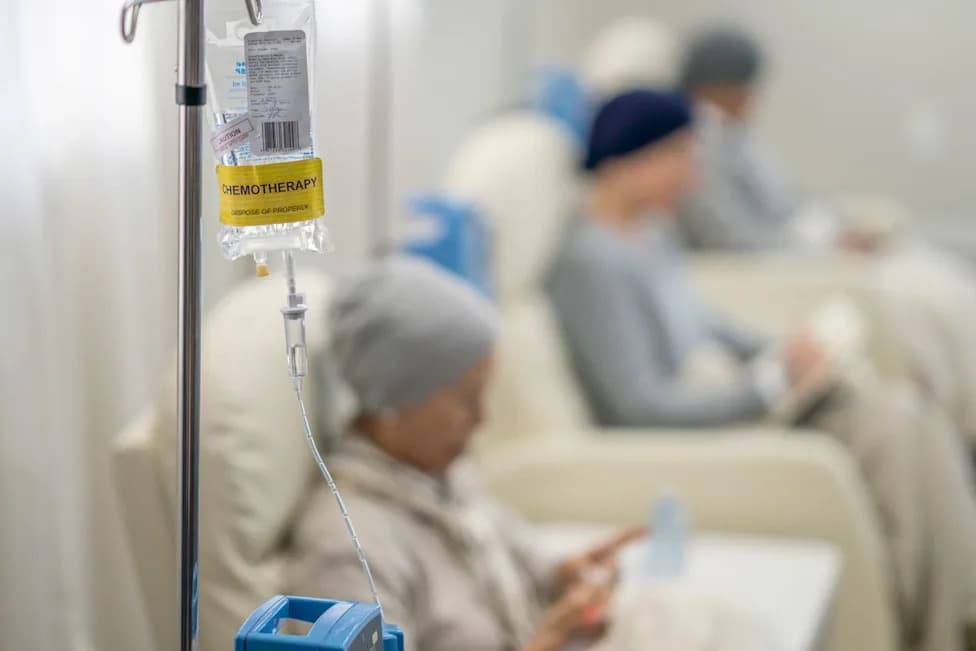
Stock photo of three women receiving chemotherapy.Credit: Getty
A new analysis of the National Cancer Database (January 2012–December 2023) by researchers at the University of California, Los Angeles (UCLA) shows that the median interval from cancer diagnosis to initiation of first treatment has increased across six common cancers. The study included patients with stage I–III disease who were considered surgical candidates at diagnosis and measured time to any initial treatment, including surgery, chemotherapy or other modalities.
ChemotherapyCredit: Getty
Key Findings
- Rising Median Wait Times (2012 → 2023): Breast: 34 → 45 days (+11); Colon: 20 → 31 days (+11); Lung: 41 → 53 days (+12); Pancreatic: 23 → 32 days (+9); Esophageal: 38 → 48 days (+10); Gastric: 35 → 49 days (+14).
- Persistent Disparities: Delays were longest for patients on Medicaid, Black patients, people of lower socioeconomic status, and those treated at large academic medical centers compared with smaller community clinics.
"What was striking was the consistency, across every cancer we studied, patients are waiting longer today than they were a decade ago," said Tim Donahue, the study's senior author and a surgical oncologist at UCLA.
The study does not pinpoint a single cause, but investigators and other experts cite system-level factors such as consolidation of health systems, referral and transfer processes, administrative delays in obtaining pathology slides and medical records, and capacity constraints at high-volume centers.

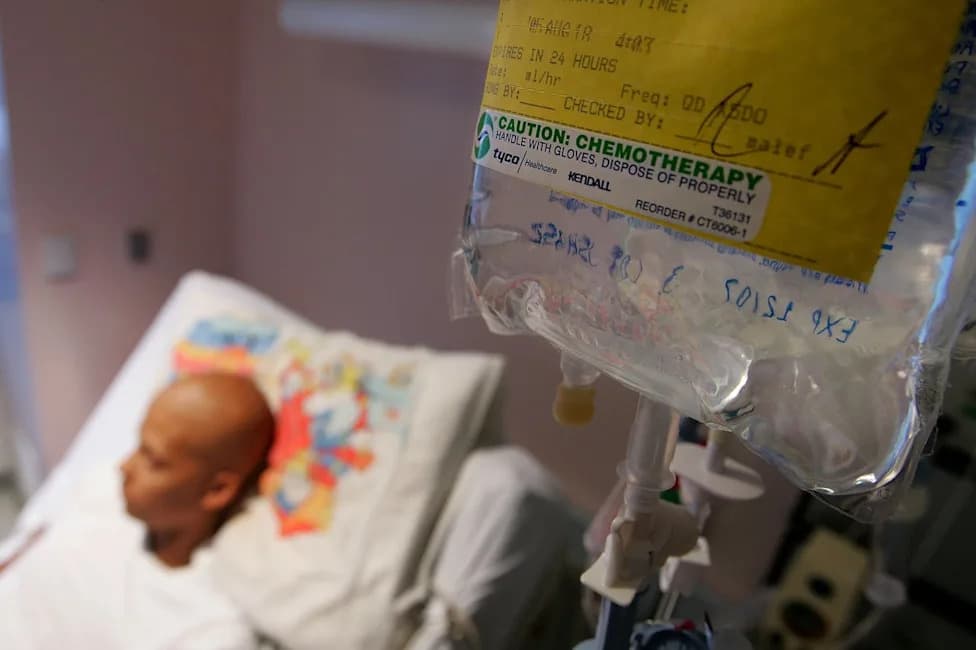
Patient hooked to IVCredit: Getty
"When I have to get a referral from an outside hospital, we have to get slides from biopsies and records. Sometimes it takes a very long time to get those slides," said Karl Bilimoria, who led a similar 2011 study covering 1995–2005.
Why It Matters
Longer waits between diagnosis and treatment can increase patient anxiety and, in some cancer types or cases, raise the risk of disease progression. The UCLA team warns that continued consolidation and expansion of health systems may exacerbate these delays and deepen disparities unless targeted, system-level strategies are implemented to monitor and reduce time-to-treatment.
Bottom line: Median time to first treatment increased across six cancer types between 2012 and 2023, with the largest jumps in gastric and lung cancers. The burden of delay falls disproportionately on Medicaid beneficiaries, Black patients, lower-income groups and patients treated at large academic centers.
Help us improve.