Summary: Talks to license Ukraine to co-produce Patriot interceptors have slowed after President Trump's July pledge, as Lockheed Martin and Raytheon review feasibility amid U.S. licensing hurdles and political pushback. Industry concerns include the risk that Ukraine could become a lower-cost competitor, not just issues of technology transfer. Inventory pressures following recent regional conflicts and new lower-cost interceptor projects have intensified the debate. The status of any formal license or production agreement remains unresolved.
Patriot Co-Production Talks With Ukraine Stall As U.S. Firms, Officials Voice Concerns
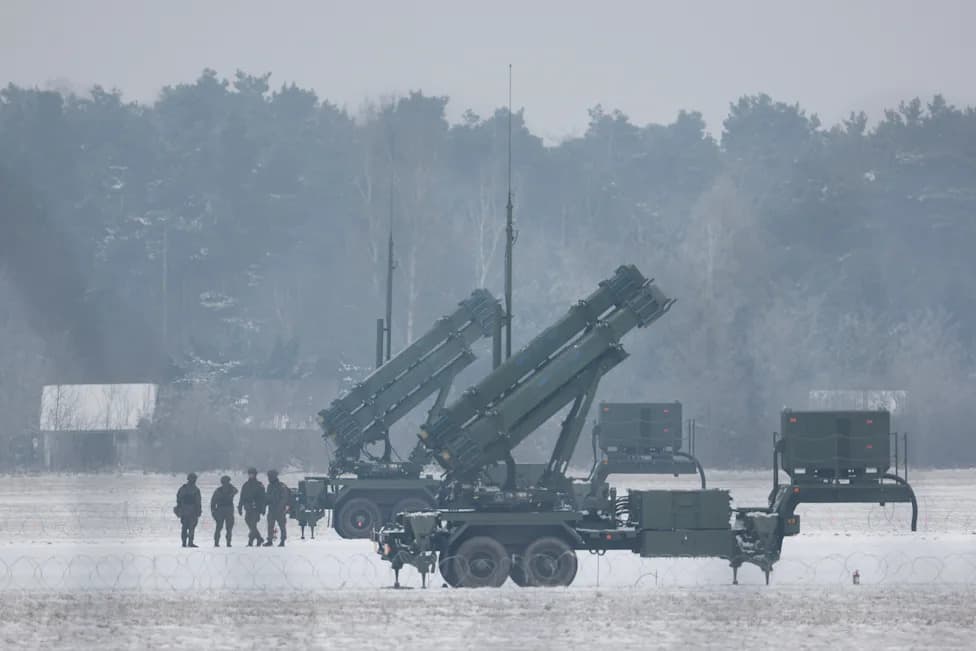
Patriot missile launchers acquired from the U.S. last year are seen deployed in Warsaw, Poland, on Feb. 6, 2023. (Michal Dyjuk/AP File Photo)
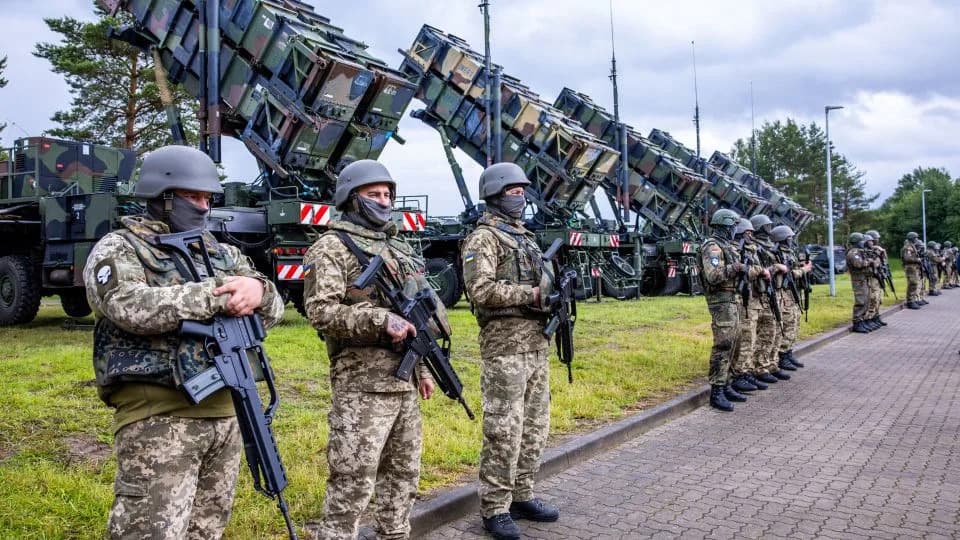
KYIV, Ukraine — After U.S. President Donald Trump pledged in July to license Ukraine to produce Patriot missile interceptors, progress toward a formal co-production deal has slowed. Major defense contractors Lockheed Martin and Raytheon have signaled caution as they evaluate what is technically and commercially feasible amid complex U.S. licensing procedures and political scrutiny.
Companies Weigh Feasibility, Officials Signal Caution
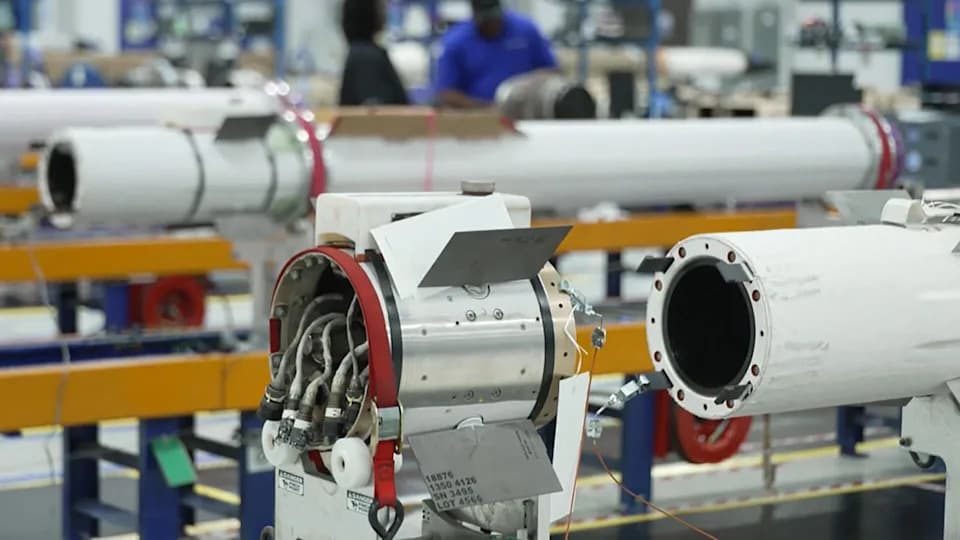
Executives from both firms said discussions are at an early stage. Lockheed Martin described talks as "early" and said it would support the U.S. Army and administration on next steps, while Raytheon said it was working with the U.S. government "to determine what is feasible and what is best for Ukraine." At the same time, top U.S. officials have voiced reservations about transferring sensitive production capabilities.
"We have not agreed to that," President Trump said in late July when questioned about the license, adding that such technology is difficult to hand over. On July 20 he told the Financial Times that Washington must be "a little bit careful of who we license to."
Industry Competition, Not Just IP, Is A Concern
Some U.S. industry and political figures privately worry less about simple intellectual-property theft and more about the commercial implications: that Ukraine — with strong recent combat experience and a growing defense sector — could refine interceptors and scale production more cheaply, undercutting existing U.S. suppliers. A Republican official on Capitol Hill told The Atlantic this fear is a major driver behind industry resistance.
Shifting Context: Inventory Pressure And New Alternatives
The debate intensified after the spring conflict involving the U.S., Israel and Iran, which has reportedly depleted roughly two-thirds of America's pre-war Patriot interceptor inventory. That strain has encouraged partners to explore lower-cost, faster-to-produce alternatives.
In Paris, Ukraine and nine European countries joined defense firms including Eurosam, Leonardo, Thales and Saab to launch the Freyja coalition, which is developing an anti-ballistic system built around a Ukrainian interceptor reportedly priced at about one-fifth the cost of a Patriot round. Separately, Lockheed unveiled the PAC-3 ACE at the Farnborough Airshow, marketing it at roughly $2 million per round — substantially cheaper than some currently fielded interceptors.
Politics, Timelines And Uncertain Outcomes
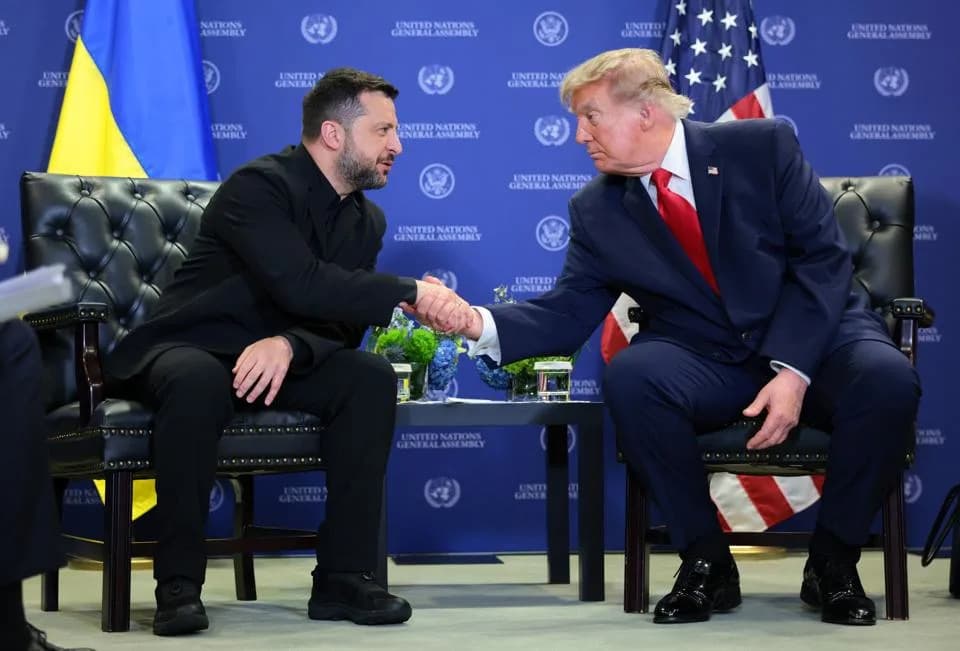
President Zelenskyy said the issue had been "resolved politically" and urged technical teams to begin work quickly. But in subsequent public comments, U.S. officials tempered expectations. U.S. NATO Ambassador Matthew Whitaker said a long-term production deal "will not be concluded before this winter," and emphasized restrictions on who manufactures such systems in the United States.
When Zelenskyy requested "several hundred" interceptors at an Oval Office meeting on July 28, The Atlantic reported Trump declined, citing depleted U.S. stocks. Zelenskyy later told Ukrainian television that a decision had been made by the U.S. president and other American institutions; U.S. officials had not publicly confirmed that statement as of the latest reports.
Where Things Stand
The current status of any license or formal production agreement remains unclear. Companies say conversations continue and that any move would require U.S. government approval and careful consideration of technical, legal and strategic implications.
Key facts: Discussions are ongoing but preliminary; industry concerns include both technology transfer risks and potential competitive market effects; depleted U.S. stocks and new lower-cost interceptor projects are reshaping the debate; no binding license or production arrangement has been publicly confirmed.
Help us improve.