Heat Strike, founded by former Extinction Rebellion activists, is urging unions to organise strikes when workplace temperatures become dangerous, seeking legal protections and a paid furlough for unsafe conditions. The group has built links with the TUC, several unions and climate organisations, and says membership surged after its June actions. Recent industrial action included 1,500 Arriva bus drivers striking over cab temperatures reportedly reaching 50°C. Health bodies and unions warn that extreme heat is already harming workers and patients.
Heat Strike: XR Offshoot Urges Unions To Call Strikes Over Dangerous Workplace Heat
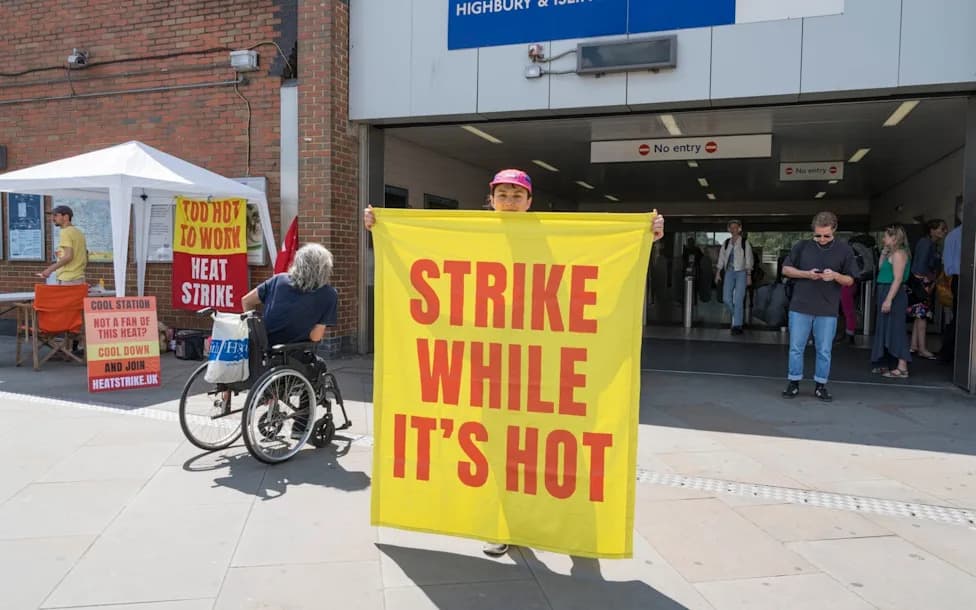
Heat Strike says on its website that hot summers have helped 'build relationships we were told would never work'
Heat Strike, an offshoot of Extinction Rebellion, is pressing trade unions to call strikes when workplace temperatures become dangerously high. The campaign aims to reconnect climate activism with workers affected by a run of recent heatwaves and to push for legally enforceable protections for people who must work in extreme heat.
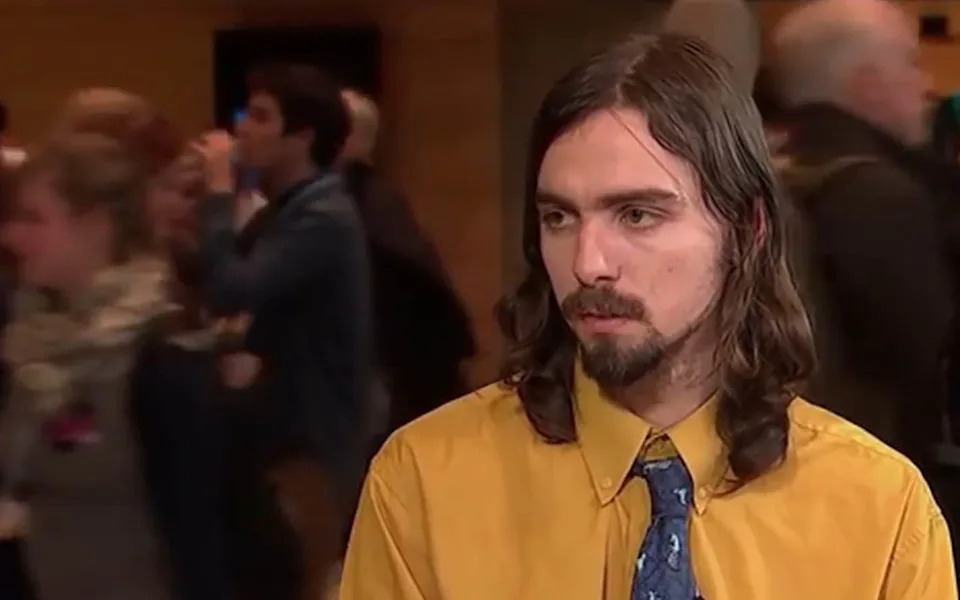
Liam Geary Baulch, a long-time climate activist, said the run of heatwaves had helped climate campaigners reconnect with workers
Campaign, Links and Demands
The group, formed by former Extinction Rebellion members, says it has built contacts with the Trades Union Congress (TUC), unions representing bakers, fire crews and entertainers, and climate organisations including Greenpeace, Fossil Free London and Green New Deal Rising. Heat Strike is calling for a national maximum working temperature of 30°C for general roles and 27°C for manual jobs, plus a furlough-style scheme that would allow workers to stay home on full pay when employers cannot make conditions safe.
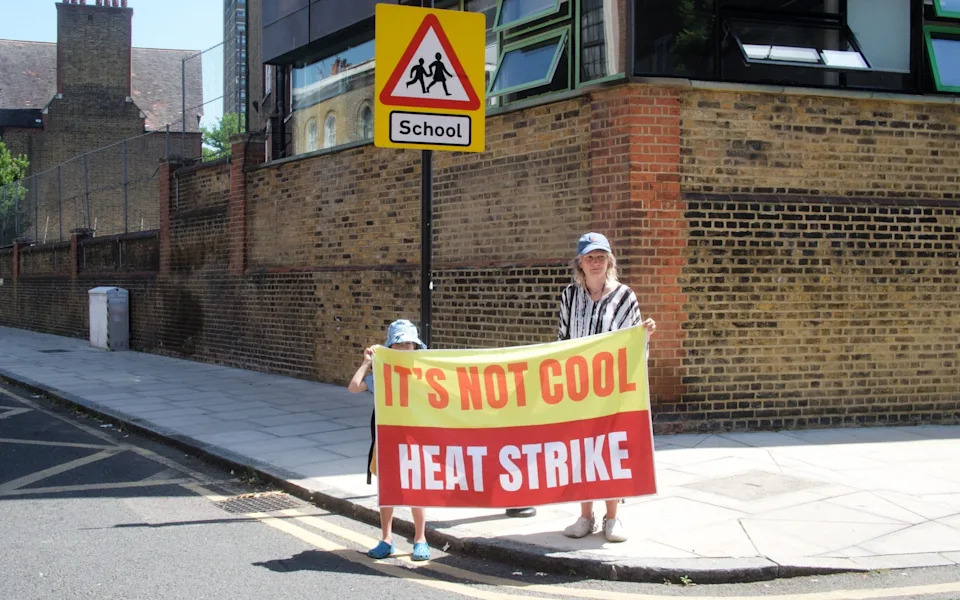
Heat Strike staged a school walk out in London
Recent Actions
Heat Strike staged its largest mobilisation during the June heatwave, emailing and rallying about 1,000 people, setting up community "cool stations" and encouraging workers to document unsafe workplace temperatures. The group says membership has since tripled and that union links have strengthened.

Liam Geary Baulch dressed up as a cheerleader to protest the damage being done to the world's oceans
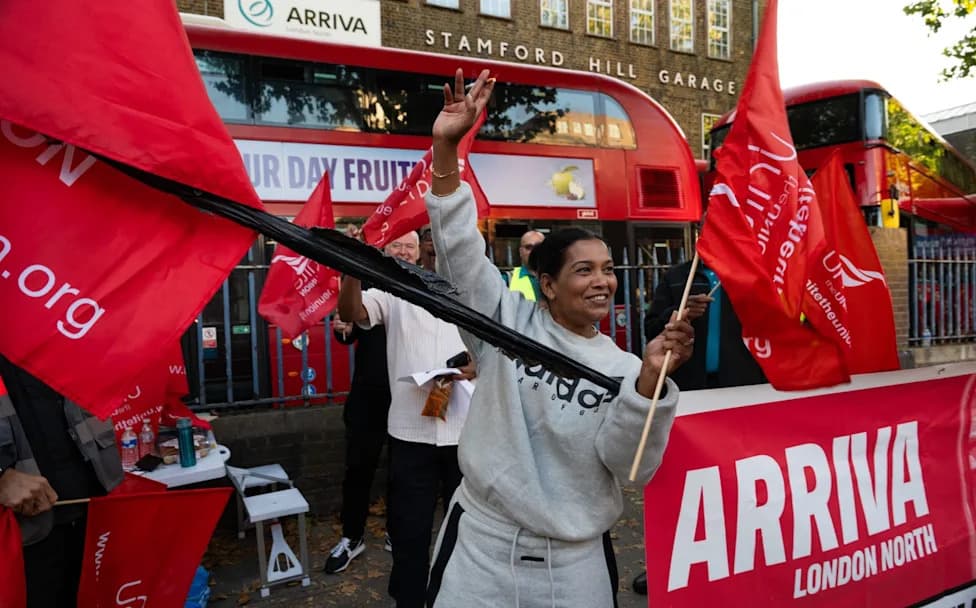
In a high-profile example of heat-related industrial action, 1,500 Arriva bus drivers at eight London garages began a two-day strike after reporting cab temperatures they say reached as high as 50°C. Although the industrial action was officially called by Unite, Heat Strike says it helped refocus the debate from driver fatigue to rising temperatures and that a number of drivers joined its campaign directly.
"These heatwaves are causing a national health and safety emergency. Until there's a clear plan to protect everyone from the extreme heat, it's up to us to keep our colleagues and community safe by removing ourselves from unsafe workplaces," said Liam Geary Baulch, a Heat Strike spokesman and former Extinction Rebellion coordinator.
Response And Wider Concerns
The government pointed to Health and Safety Executive guidance advising employers on preparing for extreme heat, while Arriva said it was working with Transport for London to support drivers and that upgraded cooling systems and new buses should improve conditions. Unions and health bodies warn the problem is widespread: the Royal College of Nursing has reported nurses collapsing on shift, and the Bakers, Food and Allied Workers' Union has warned workers could be injured if forced to operate in extreme heat.
Tactics And Background
Liam Geary Baulch, a long-time climate activist involved in creative protest work, helped found Heat Strike after record UK temperatures in 2022 drove new participants into environmental groups. His past actions have included performance protests and an arrest outside a political conference in 2021; he was later released without charge. Heat Strike continues to combine workplace campaigning with public actions, seeking to broaden support for legally binding workplace heat protections.
The debate now centres on whether government legislation should set enforceable temperature limits and provide paid leave for unsafe conditions, or whether employers can manage risks through existing guidance and workplace measures.
Help us improve.