Two senior Ebola clinicians have paused WHO deployments in protest over the ethics of Ebo-Pep, a randomized post-exposure trial of obeldesivir in the DRC that includes a placebo arm. They argue that healthcare workers—especially those with needlestick exposures—face disproportionate risk if randomized to placebo, given a ~40% case fatality rate. Investigators and regulators defend the study as ethically approved and necessary to produce fast, reliable evidence; the trial aims to enrol 800 participants and began recruitment in mid-July. The dispute underscores tensions between rapid scientific evaluation and heightened ethical obligations during outbreaks.
Leading Ebola Clinicians Pause WHO Deployments Over Ethics Of Ebo-Pep Placebo Trial
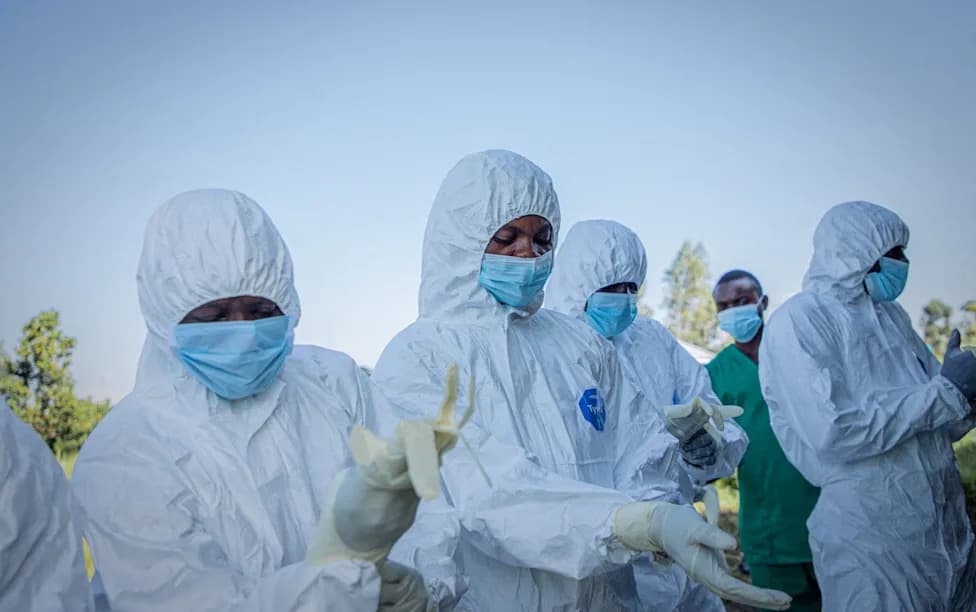
Volunteers put on personal protective equipment to recover the body of a three-year-old child, presumed to have died of Ebola in Bunia - BENEDICTION MURHABAZI/AFP via Getty Images
Two senior Ebola specialists have announced they are stepping back from longstanding World Health Organization deployments in protest over the ethics of a randomized post-exposure drug trial in eastern Democratic Republic of Congo (DRC).
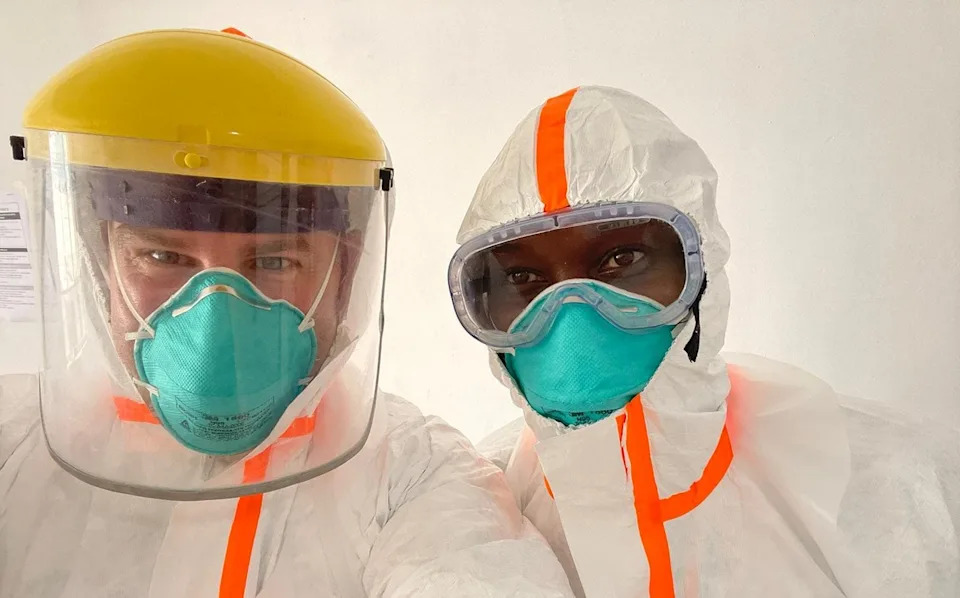
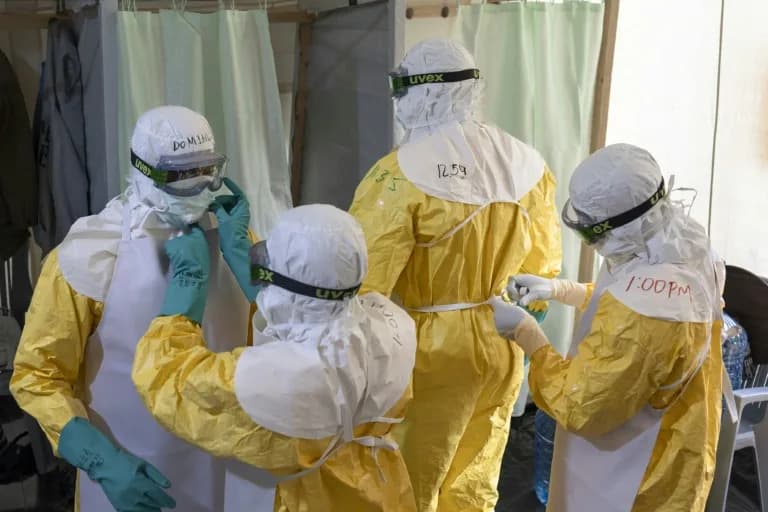
Prof Tom Fletcher (left) and a Ugandan colleague in PPE as they head into a treatment centre - via Tom Fletcher
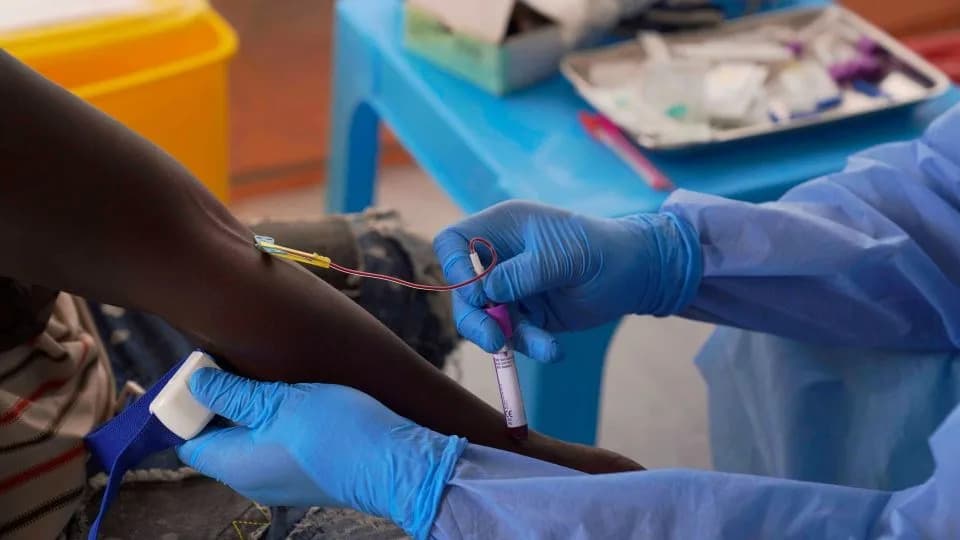
The study, called Ebo-Pep, began in mid-July and tests obeldesivir—an oral form of the antiviral remdesivir—as post-exposure prophylaxis to prevent Ebola infection or severe disease in people exposed but not yet symptomatic. The trial is a randomized controlled design that gives half of participants the drug and half a placebo and follows them for 21 days. It aims to enrol 800 participants; 19 people signed up in the first two weeks, including at least six healthcare workers.
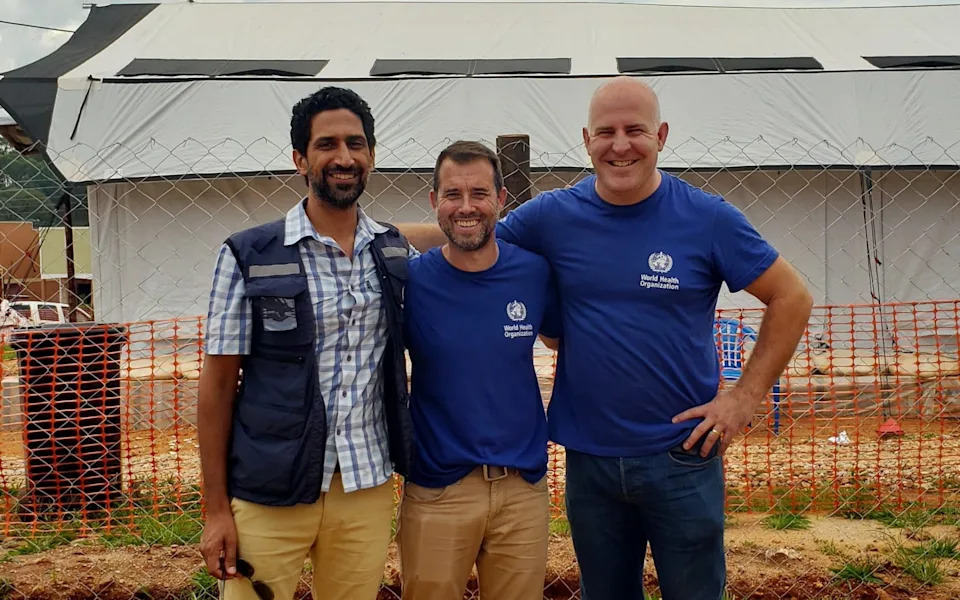
Tom Fletcher, right, with William Fischer, centre, and a colleague on site at a previous Ebola outbreak in Uganda - via Tom Fletcher
Why Clinicians Have Objected
Professors Tom Fletcher (Liverpool School of Tropical Medicine) and William Fischer (University of North Carolina) have withdrawn from WHO deployments because they object to including certain high-risk healthcare exposures in a trial with a placebo arm. Their primary concern is that the trial's definition of "high-risk exposure" includes needlestick injuries contaminated with blood from confirmed or probable Ebola patients. Given the outbreak's reported case fatality rate of about 40% and evidence suggesting needlestick transmission can deliver a higher viral dose, they argue exposing frontline workers to a 50% chance of placebo is ethically problematic.
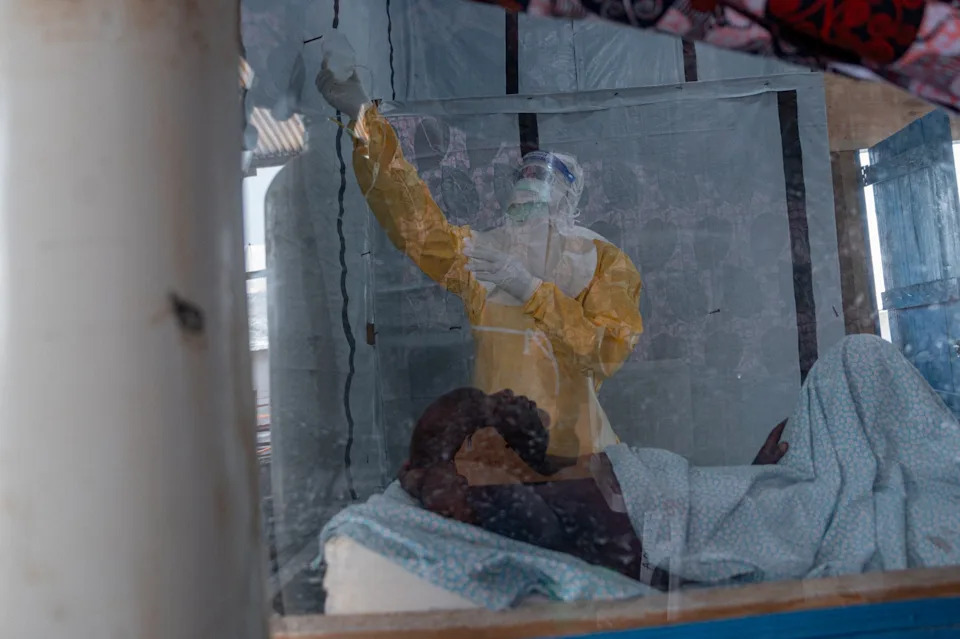
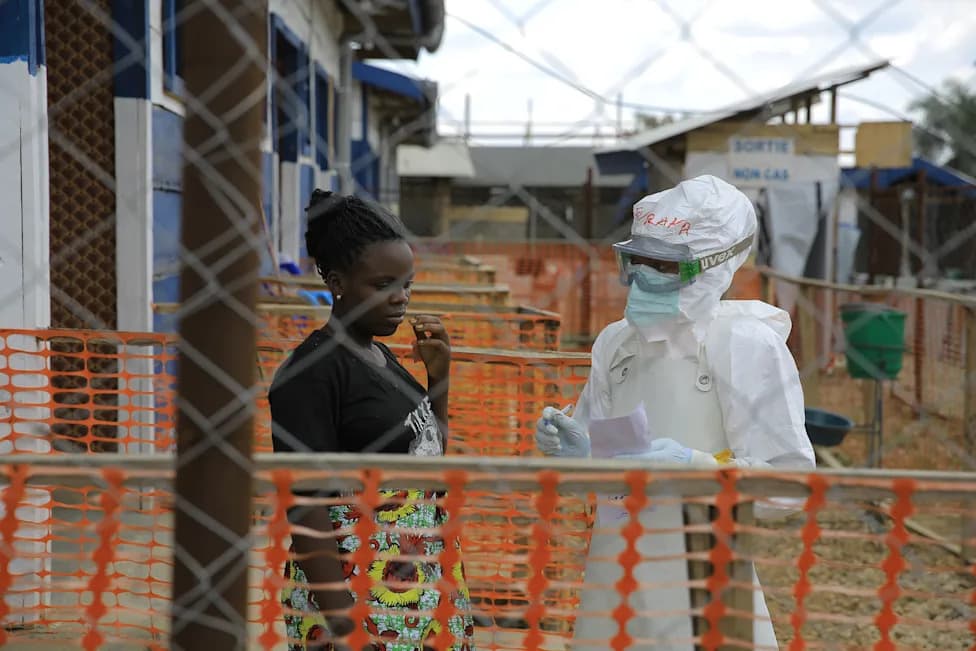
A patient in the red zone of the Ebola treatment centre at Rwampara General Reference Hospital, Ituri Province - JOSPIN MWISHA/AFP via Getty Images
"We owe them a duty of care to do the best possible thing, and a 50 per cent chance of getting a placebo tablet is not that," said Prof Tom Fletcher, who has worked in WHO Ebola 'red zones' for more than a decade.
Defence From Investigators
Investigators and regulators defending Ebo-Pep say the protocol has received ethical approval in the DRC and that informed consent is obtained from all participants. Placide Mbala, a principal investigator and director of Clinical Research at the DRC's INRB, said some additional risk is unavoidable during emergencies and that a rigorous randomized study is the quickest way to produce reliable evidence. He emphasized the trial's goal to assess whether obeldesivir can prevent infections across all exposed groups, including family caregivers, burial teams, traditional healers and motorcycle drivers who transport patients.
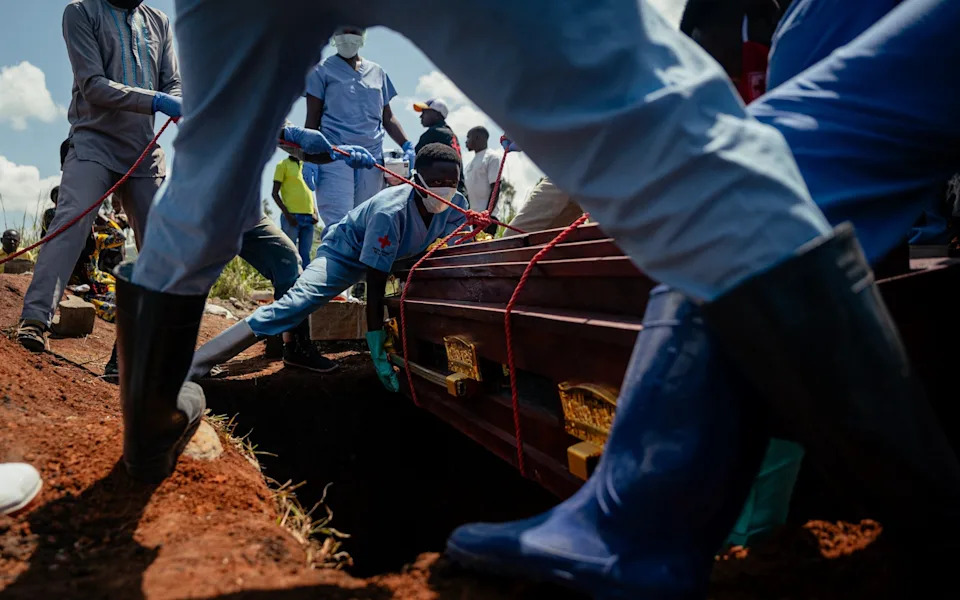
Health workers lower the coffin of a suspected Ebola victim into the ground at a cemetery in Bunia - JOSPIN MWISHA/AFP via Getty Images
"I think it's important to remain scientific, to avoid any emotional reaction for the moment," said Dr. Mbala.
Ethical Tensions and Practical Concerns
Critics stress that a tacit practice has emerged over the last decade of offering exposed healthcare workers immediate antiviral or monoclonal antibody therapy when available. They point out that foreign clinicians in this outbreak have been evacuated and treated after needlestick exposures, which some view as a double standard. Other researchers have suggested alternative trial designs—such as using an active comparator like the IV monoclonal antibody MPV-134—so participants would not risk receiving only placebo, though cost and availability pose challenges.
Partners leading the trial include Africa CDC, the DRC Ministry of Health, the National Institute of Biomedical Research (INRB), the French ANRS Emerging Infectious Diseases agency and the NGO Alima. The WHO is not an implementing partner but has commented that participation is voluntary and that compassionate-use options should be available to those who decline enrollment.
Context And Stakes
The debate unfolds amid the largest Ebola epidemic in DRC history. Since the outbreak was declared in April, authorities have reported more than 4,587 infections and 2,130 deaths, with at least 151 healthcare workers dead by 1 August. The circulating species, Bundibugyo, is less common than other Ebola species and lacks licensed vaccines or treatments, increasing the urgency to evaluate promising therapies.
Supporters of the trial emphasize that, if effective, an oral prophylactic like obeldesivir could be rapidly deployed at scale to prevent severe disease and interrupt transmission chains. Opponents maintain that trials in active outbreaks must carefully balance scientific rigor with extra ethical protections for high-risk groups to preserve trust and duty of care.
The dispute highlights the broader challenge of running rigorous clinical research during emergencies: how to generate reliable evidence quickly while protecting the most vulnerable participants and maintaining public trust in response efforts.
Help us improve.