
Executives from Google, Meta, Snapchat and TikTok told an Australian Senate inquiry that early studies suggesting around 80% of minors remain on social media after December's under‑16 ban should not be over‑interpreted. Platforms highlighted limits in survey data and said age‑assurance tools for the 16‑year threshold are still evolving. They reported recent enforcement figures—Meta 756,000 deactivations, Google about 740,000 blocks for YouTube access, and TikTok 550,000 removals (plus ~24,000/month). Lawmakers are considering raising fines to A$99 million and expanding investigatory powers, and the eSafety Commissioner will testify later in the inquiry.
Social Media Firms Urge Caution Over Early Data On Australia’s Under‑16 Ban
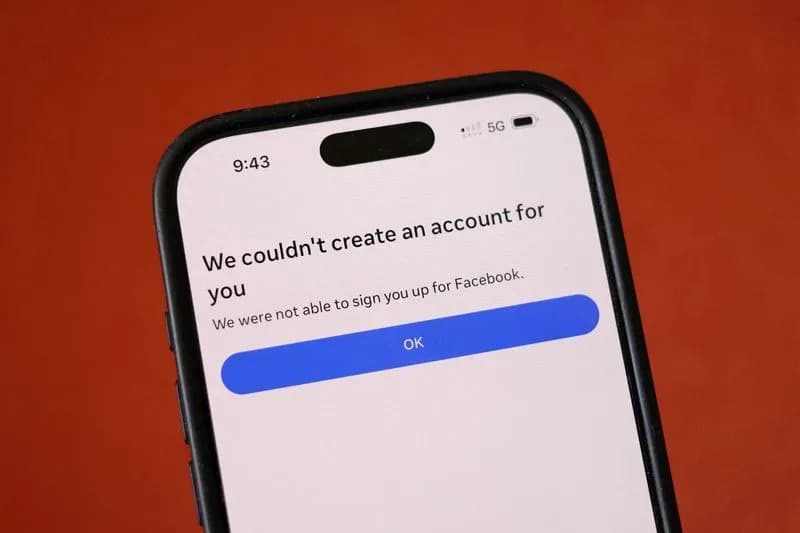
FILE PHOTO: An illustration shows a Facebook message displayed on a mobile phone, as Meta begins blocking new sign-ups for anyone under 16 in Australia
Senior executives from Google (YouTube), Meta (Facebook and Instagram), Snapchat and TikTok told an Australian Senate inquiry that early studies suggesting most children remain on social media after the country’s landmark under‑16 ban should be interpreted cautiously. Lawmakers are considering tougher penalties and broader investigatory powers for the eSafety Commissioner amid ongoing compliance checks and disputes over how platforms are enforcing the law.
What Lawmakers Heard
Senators pressed platform leaders about multiple studies — including research from Australia’s internet regulator — indicating roughly 80% of minors appeared to remain on social media months after the ban took effect in December. The companies warned those figures reflect an early snapshot and stressed limitations in available data and age‑verification tools.
'It is a point in time, it's very early on, and we caution against over‑reliance on that,' said Rachel Lord, YouTube's head of government relations, noting the government's most recent published compliance figures were from March. She added that age‑assurance systems have typically been built around an 18‑year threshold and that methods for detecting users at a 16‑year boundary are still evolving.
Meta’s Australia head of public policy, Mia Garlick, noted survey data can conflate accessing a service with actually holding a platform account: 'There can be differences in terms of people accessing versus having an account. Sometimes survey data is challenging in terms of stated versus revealed.'
Platform Enforcement Figures
Platforms disclosed recent removal and blocking figures. Meta said it had deactivated about 756,000 Instagram and Facebook accounts suspected of belonging to underage users (up from roughly 500,000 in March). Google reported it had blocked approximately 740,000 Google account holders from using their accounts to access YouTube. TikTok said it removed 550,000 accounts when the law came into effect and has since been removing about 24,000 suspected underage accounts per month as part of an 'iterative' compliance process.
Regulatory Pressure And Potential Reforms
Separately, the eSafety Commissioner is considering legal action against some platforms, alleging deliberate delays in full compliance. Parliament is weighing amendments that would double maximum penalties to A$99 million (about US$64 million) and expand the commissioner's powers to compel documents and information from platforms and their third‑party age‑assurance providers during investigations.
The eSafety Commissioner is scheduled to give evidence later in the inquiry. The hearing underscored a continuing gap between lawmakers who want stronger enforcement and platforms that caution against drawing firm conclusions from early compliance data.
Help us improve.





















