The Kennedy Center board voted to reinstate an inscription reading "Restored and Renovated by President Donald J. Trump" and approved a two-year closure to carry out renovations. Rep. Joyce Beatty, who successfully sued to remove the name and block the closure, condemned the vote as an attempt to evade a court order. The White House defended the decision, while critics and a federal judge raised legal and procedural concerns, including that the inscription proposal was not on the meeting agenda.
Kennedy Center Board Votes To Restore Donald Trump’s Name, Sparking Legal and Political Backlash

Photo Credit: Alex Wong/Getty Images News via Getty Images
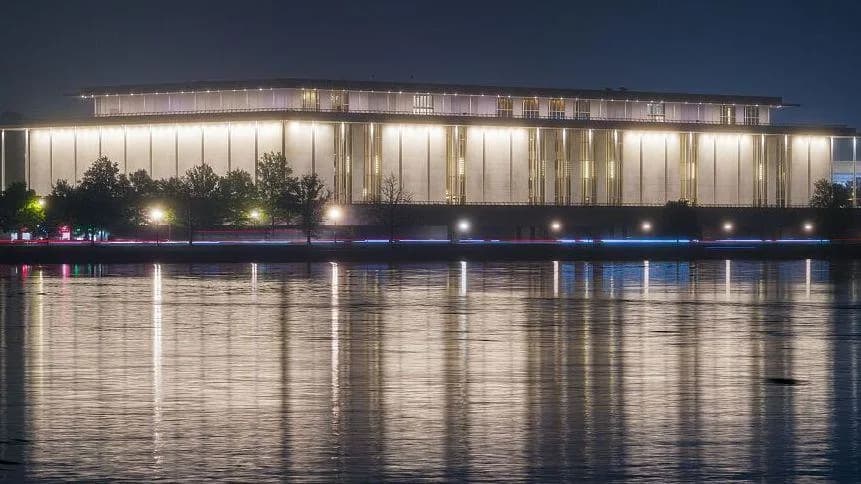
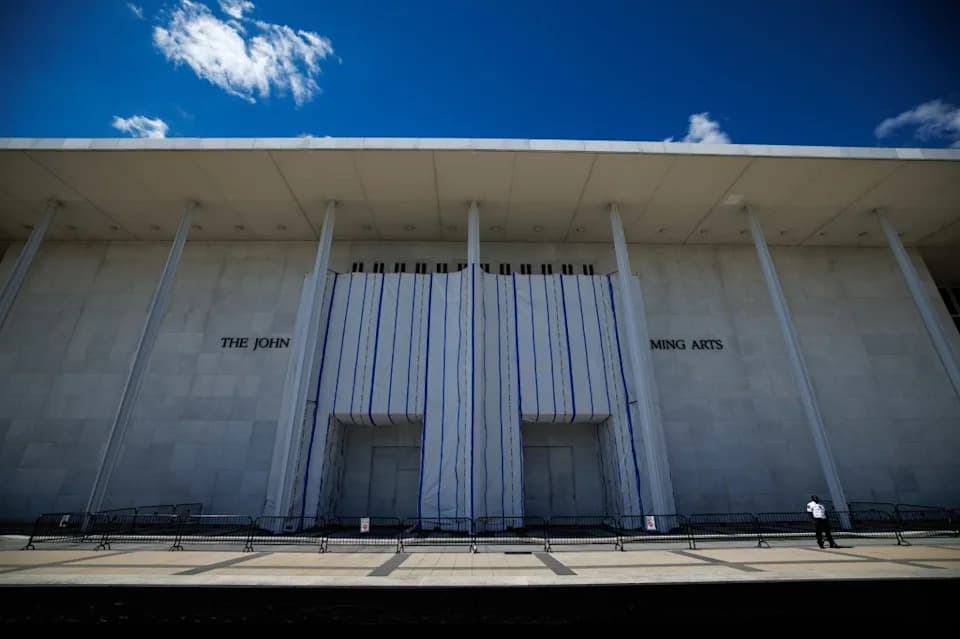
The Kennedy Center's board voted Thursday to restore an inscription acknowledging former President Donald J. Trump on the building's facade, roughly two months after workers removed his name following a court order. The board also approved a two-year temporary closure of the main building to carry out planned renovations.
Board Vote and Inscription
Board members approved language to add the inscription "Restored and Renovated by President Donald J. Trump" beneath the center's official name and proposed designating the surrounding grounds as "President Donald J. Trump Plaza." The decision, announced by Rep. Joyce Beatty (D-Ohio) — an ex-officio board member who had sued to remove the name and block the planned closure — has reignited controversy.
Legal Context and Reactions
The action comes after a federal judge earlier found that Congress, not the Kennedy Center board, has ultimate authority over the building's name. Rep. Beatty successfully sued to have the name removed and to prevent the closure; she said the board's latest move is an attempt to evade that court ruling.
Rep. Joyce Beatty: "A transparent effort to circumvent the Court's ruling. I will continue to fight for this treasured national monument."
White House spokesperson Liz Huston defended the vote in a statement, saying
"Under President Trump's bold leadership, the Kennedy Center is on its way to becoming the finest cultural institution anywhere in the world."
A D.C. District judge, Christopher Cooper, previously blocked a July attempt to shut the building and described that earlier effort as "ill-informed and seemingly preordained." His ruling required the board to conduct proper due diligence before pursuing any future closures.
Questions About Process
Sources familiar with the board meeting say the inscription proposal did not appear on the published agenda. Meeting materials were distributed two days before the session, and at least one board member said she received no prior notice of the vote. Critics argue the lack of advance notice raises transparency and governance concerns.
Sen. Sheldon Whitehouse (D-R.I.): "The board is openly flouting a court order in voting to put President Trump's name on the building."
The developments were first reported by Vritti Johar for Mandatory, with the story appearing on Reality Tea.
Help us improve.