Rising tuition fees, stricter Plan 5 loan terms and a tightening graduate jobs market are prompting a rethink of whether university remains the best route for many young people. Prime Minister Andy Burnham is pushing for technical and trade qualifications to be valued alongside degrees. While some graduates report life-changing benefits from higher education, analysis shows an increasing share earn less than similarly qualified peers who skipped university. Apprenticeships and skills-first pathways are growing as viable, lower-debt alternatives.
Is University Worth the Cost? Burnham Wants Trades Valued as Much as Degrees

Illustration
For generations the pathway from A-levels to a university degree and a secure job has been presented as the clearest route to success. But as this year’s cohort of 18-year-olds collect A-level results, many are reassessing whether that route still delivers the returns it once did.
Rising Costs, New Loan Rules
The rising cost of higher education and the prospect of five-figure student debt now dominate public debate. Under the new Plan 5 student loan scheme, repayments remain at 9% of income above the threshold, but the threshold has been reduced to £25,000 (down £4,385). Interest accrues from the first day of study at a rate linked to RPI inflation, and loans are written off only after 40 years instead of 30. Together these changes mean more graduates are expected to repay in full; analysts estimate around 56% of Plan 5 borrowers will clear their loans.

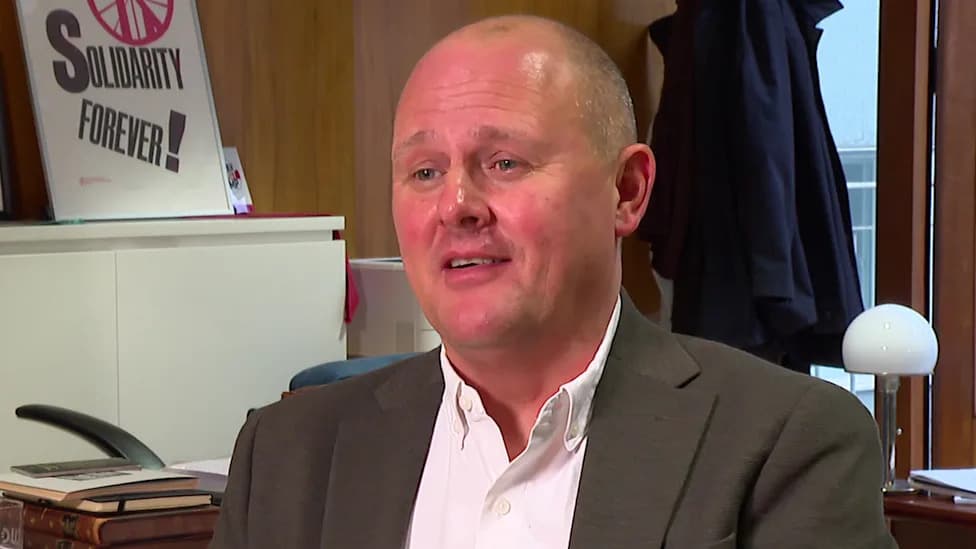
Olly Ashton loved university so much that he works at his alma mater
Tuition fees are also set to rise, with fees projected to reach £10,050 a year by 2028 under current plans. Many recent graduates report making three-figure monthly repayments while interest pushes their outstanding balances higher.
What The Numbers Say About Earnings
For decades a degree implied a reliable lifetime earnings premium. That picture is changing. Analysis from the Institute for Fiscal Studies (IFS) shows that around 24% of graduates now earn less than people with similar GCSE results who did not attend university — up from one in five in 2020. On average, UK graduates who entered the labour market five years earlier earned about £33,300 in the tax year ending 2024, while performing arts graduates averaged around £26,000.
1108 Summer jobs Biz – chart
Outcomes vary dramatically by subject and institution: some courses (for example, economics at elite institutions) deliver exceptionally high pay, while others deliver weaker financial returns.
Fewer Graduate Roles, More Alternatives
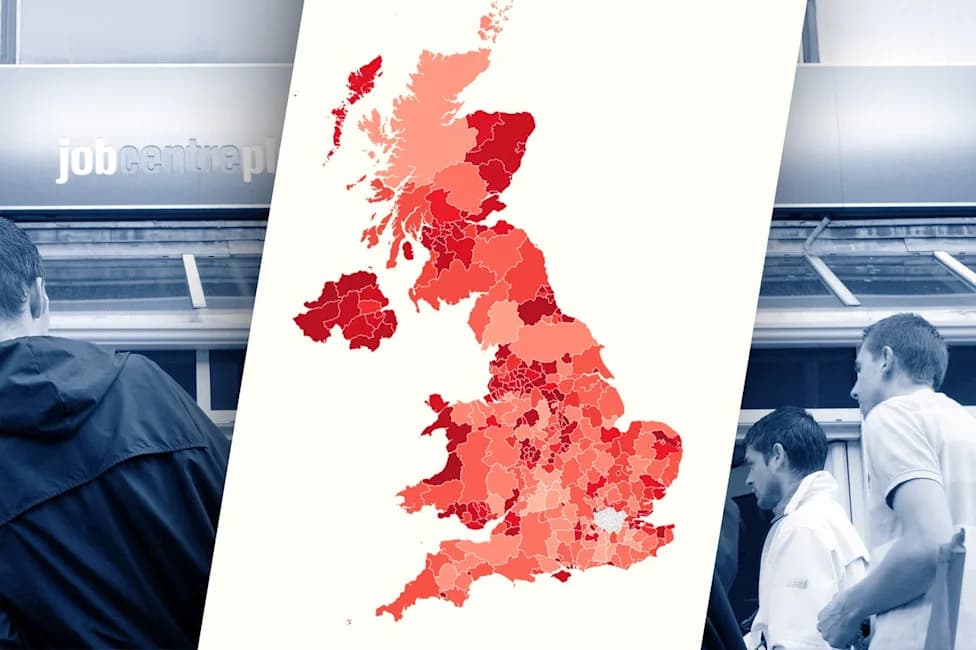
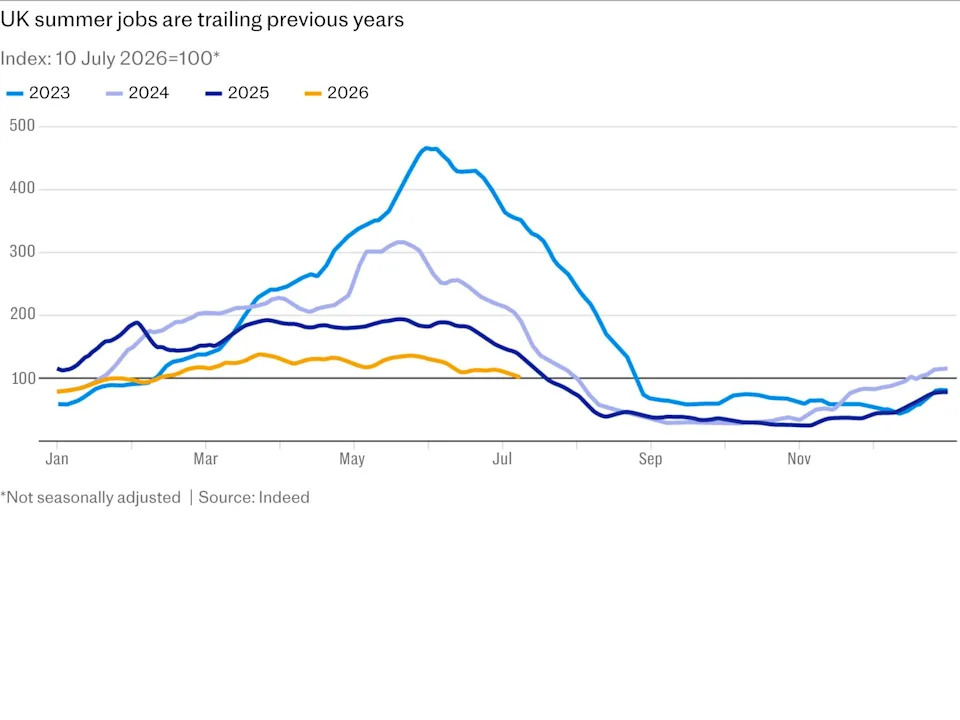
Employment prospects are squeezing new graduates. Recruiter Indeed reported that job adverts explicitly labelled “graduate” were down 7% year-on-year in July, while Adzuna found graduate-level vacancies fell by nearly 47% between July 2025 and July 2026. Employers are increasingly prioritising skills over degrees for entry-level roles.

Olivia Ampleford found an apprenticeship was the right path for her - Jay Williams
As a result, alternatives such as apprenticeships are gaining traction. Government figures show apprenticeship starts rose by 9% between August 2025 and April 2026 — offering a route to qualifications and paid experience without the upfront costs of university.
Voices From Students And Experts
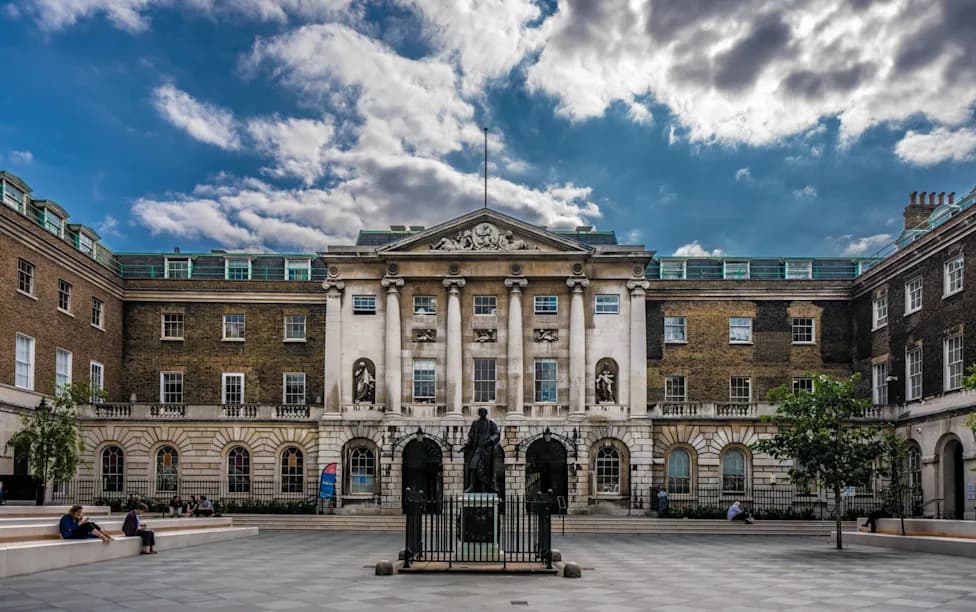
Many graduates still value the university experience for reasons beyond salary. Olly Ashton, 22, a University of Birmingham environmental science graduate and current students’ union president, says university transformed his confidence, outlook and opportunities. By contrast, Olivia Ampleford, 23, left a mathematics degree at King’s College London and found a finance apprenticeship a better fit; she still carries student debt but does not regret changing path.

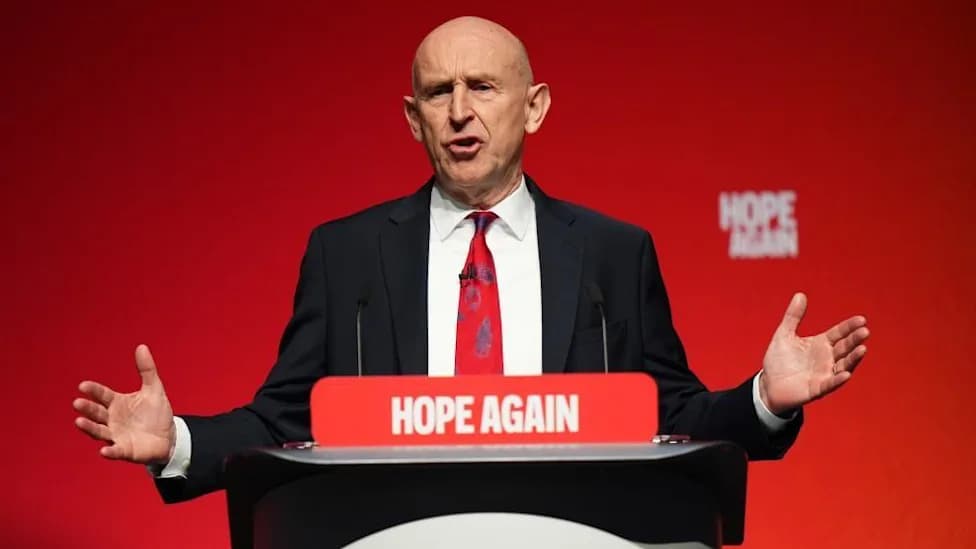
Andy Burnham (pictured with Marie-France van Heel, now his wife) attended Cambridge
Prime Minister Andy Burnham — himself Cambridge-educated — has urged a cultural shift: "We should value the hard hat every bit as much as the graduation cap," arguing that technical and trade routes must be treated with equal respect.
Experts caution that rebalancing must avoid creating a new hierarchy. Ryan Wain of the Tony Blair Institute notes that university expansion has been a consistent driver of British growth and that demand for higher-level skills will rise with AI. Jason Hollands of Evelyn Partners argues a degree builds critical thinking, research skills and networks that are not captured by short-term pay metrics.
How To Decide
The decision to go to university increasingly depends on individual goals: whether you seek vocational training, work-based experience, or the broader academic and social opportunities university can provide. If you want three years to broaden your horizons and you are prepared to shoulder the financial cost, university can still be unmatched. If you prefer earning while you learn and avoiding large debt, apprenticeships or skills-first routes may be wiser.
Key facts to weigh: Plan 5 repayment rules, the likely cost of tuition over your course, expected salary by subject and institution, and the current state of graduate jobs in your intended field.
Help us improve.