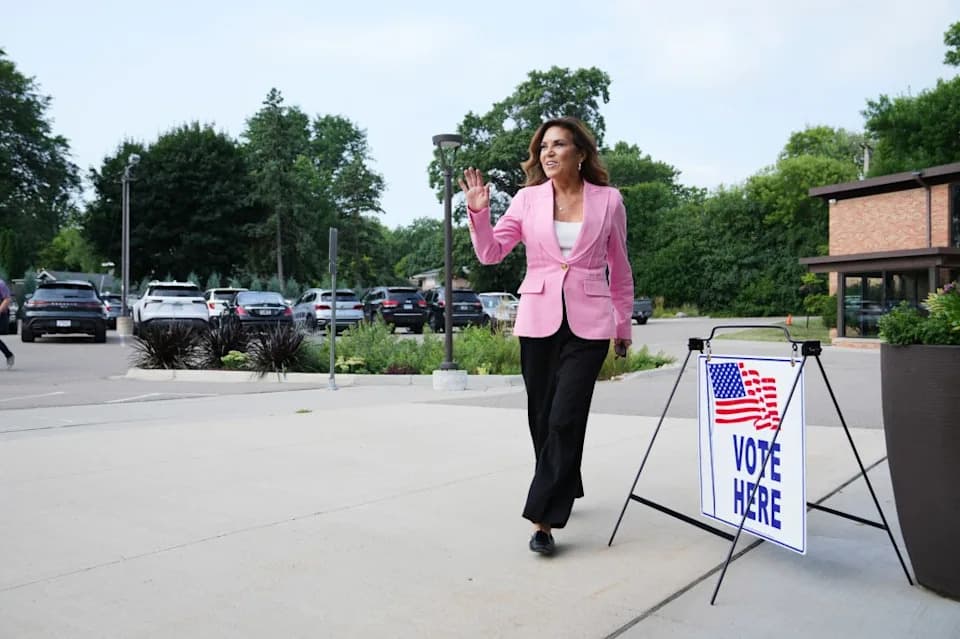
Michele Tafoya won Minnesota’s Republican Senate primary decisively, capturing 52% of the vote and positioning herself as a strong general-election contender against DFL lieutenant governor Peggy Flanagan. Tafoya’s victory highlights a long Minnesota tradition of television personalities — from Jesse Ventura to Al Franken — turning national visibility into political success. Experts cite local pride, Twin Cities media dominance and the state’s open-style primary as structural advantages for name recognition. The general election will test whether celebrity still trumps experience and whether Tafoya can appeal to independents while distancing herself from polarizing national figures.
Why Minnesota Keeps Electing TV Stars — Michele Tafoya’s Big Primary Win and What It Means
Why Does Minnesota Keep Electing Entertainers?
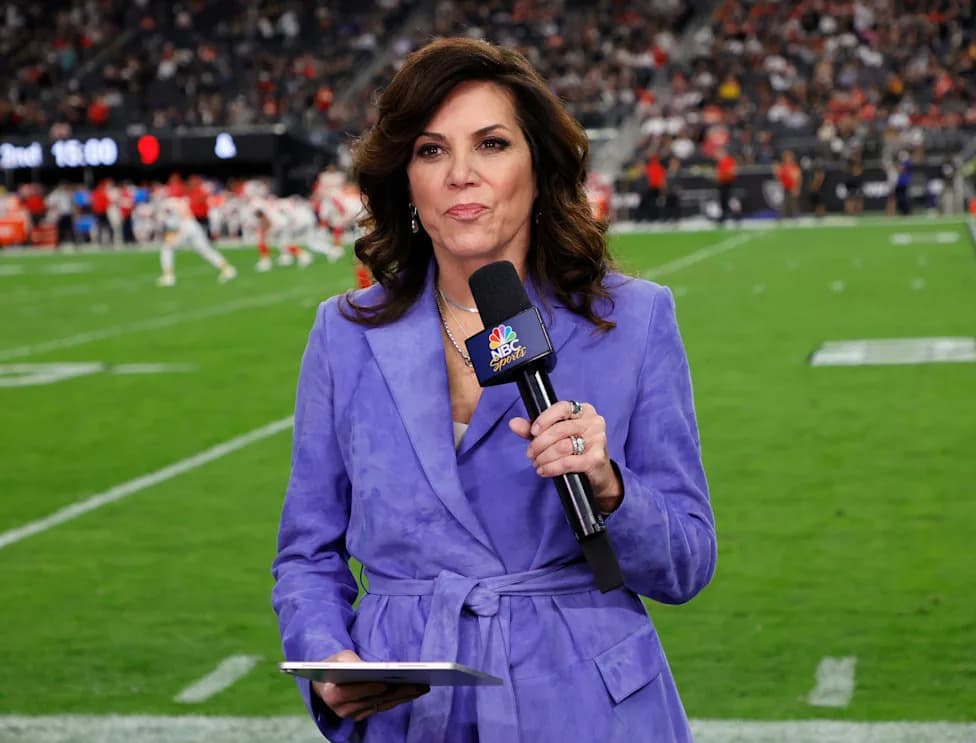
Michele Tafoya, the longtime Sunday Night Football reporter, won Minnesota’s Republican Senate primary by a decisive margin and has emerged as a major contender in the race to replace retiring Senator Tina Smith. Tafoya beat her nearest rival by more than two-to-one and captured 52% of the vote in a crowded field — a clear sign that name recognition and media presence remain powerful assets in Minnesota politics.
From Sports Desk to Ballot Box
Tafoya’s rise underscores a recurring Minnesota pattern: broadcasters and entertainers converting visibility into electoral success. The state’s political history includes dramatic examples such as pro wrestler Jesse Ventura’s 1998 gubernatorial upset and comedian-turned-senator Al Franken’s hard-fought 2008 victory. Other media figures — including former news anchor Rod Grams and entrepreneur Rudy Boschwitz — have similarly translated TV fame into political office.
Why It Keeps Happening Here
Observers point to several factors that favor media personalities in Minnesota. Local pride for figures who go national but remain “one of us” boosts initial trust and familiarity. Minnesota’s primary system — effectively an open primary where voters may choose which party ballot to cast on primary day — benefits independent and less-partisan voters for whom name recognition often matters. Additionally, roughly 35% of the state’s population lives in the Twin Cities metro area, meaning metro-based media can dominate statewide name recognition.
“Minnesotans have a saying that someone is ‘one of us,’” political consultant Blois Olson told The Hollywood Reporter. “We take pride in local people who've made it nationally. That name recognition goes a long way.”
Tafoya’s Political Profile
A Southern California native, Tafoya moved to Minnesota decades ago and built a national sports-media career that included covering the Olympics, the NBA and the NFL. She has also participated in Minnesota talk radio since 2009 and co-chaired a Republican gubernatorial effort in 2022, helping establish conservative credentials while taking some moderate stances — notably supporting abortion access through the first 12 weeks of pregnancy.
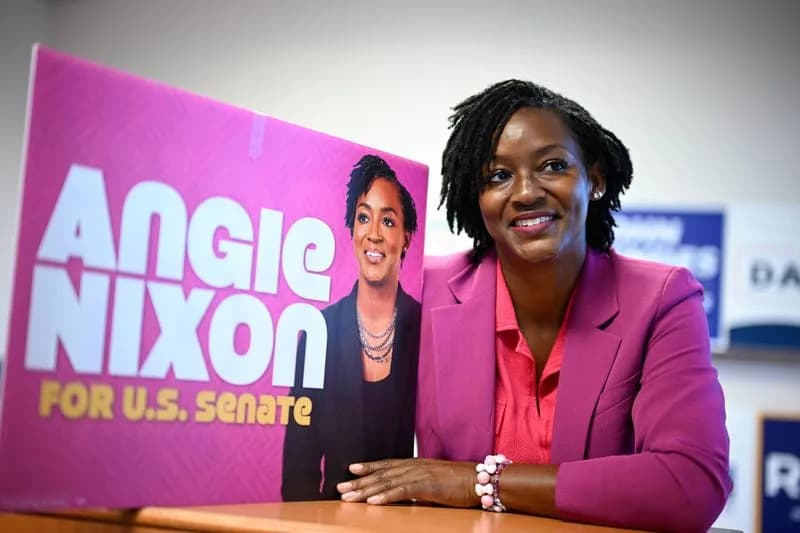
Now 61 and residing in Edina, Tafoya will face DFL Lieutenant Governor Peggy Flanagan in November. Flanagan seeks to tie Tafoya to national Republican extremes, while Tafoya is positioning herself as a pragmatic Republican who does not always align with former President Donald Trump — a strategy aimed at winning independents and moderate DFL voters.
What’s At Stake
The Tafoya–Flanagan race will test several broader theories about contemporary politics: whether broadcast fame still translates into votes after a decade of intense national polarization; whether a Republican can defeat Minnesota’s long statewide slump; and whether a candidate can benefit from celebrity while distancing herself from divisive national figures.
Political scientist David Schultz and a graduate student coined the term “politainers” to describe this TV-to-politics phenomenon. If history is any guide, Minnesota may continue to send familiar faces from the airwaves to Washington — a trend Democrats will have to counter if they hope to hold or reclaim seats.
Bottom line: Tafoya’s primary victory is more than a local upset — it is a reminder that media visibility, local attachment and electoral rules can combine to give TV personalities an outsized advantage in Minnesota politics.
Help us improve.