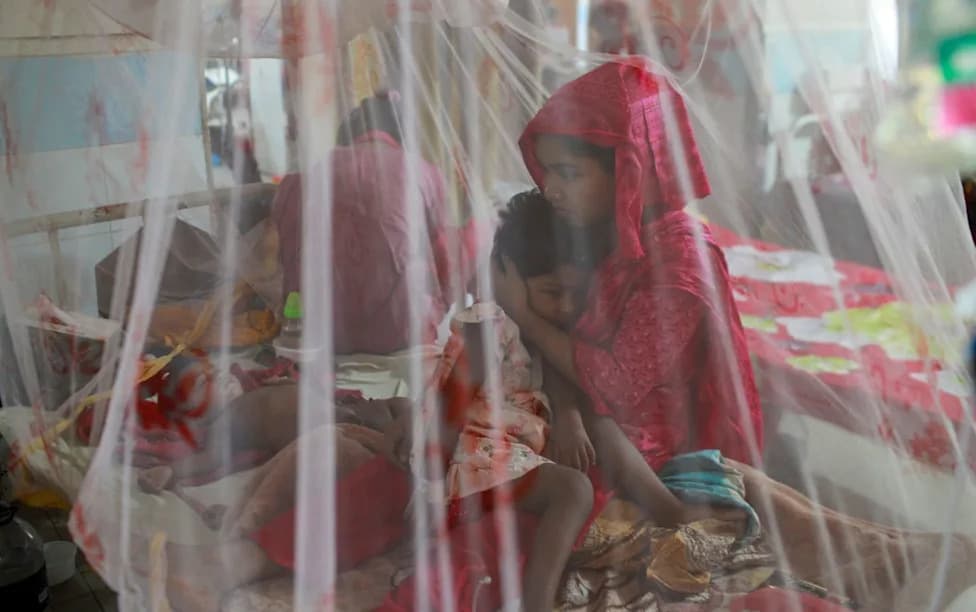
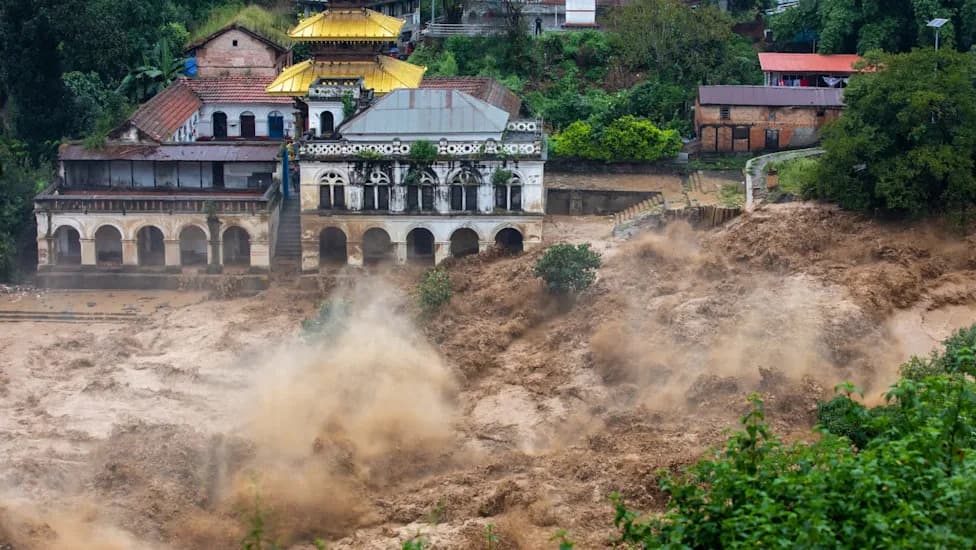
A new review finds that prolonged droughts are altering disease spread by concentrating hosts at shrinking water sources and favoring pathogens adapted to dry or terrestrial conditions. Researchers analyzed nearly 100 studies and identified mechanisms—host congregation, disrupted predator-prey relationships and increased dust—that can amplify diseases such as West Nile virus and cholera, while suppressing others like chytrid fungus. Generalist pathogens and those that survive outside water are most likely to gain ground as droughts intensify. The work aims to help forecast outbreaks and guide public-health and conservation responses.
Study: Droughts Are Reshaping How Infectious Diseases Spread
(Photo by Dominika P via Pexels)
A new study warns that prolonged droughts are changing how infectious diseases move through ecosystems and human populations, with important implications for public health and wildlife conservation.
What the Research Shows
Researchers in the United States show that drier conditions can increase vulnerability to certain infectious diseases among people and wildlife—even though many pathogens and the animals that transmit them depend on water to complete parts of their life cycles.
Pieter Johnson of the University of Colorado at Boulder cautioned:
"Climate change isn't simply making Earth warmer or drier. It is making droughts more variable and less predictable. That unpredictability is becoming one of the defining challenges for understanding and managing disease in natural ecosystems."
(Photo by Daniel Dan via Pexels)
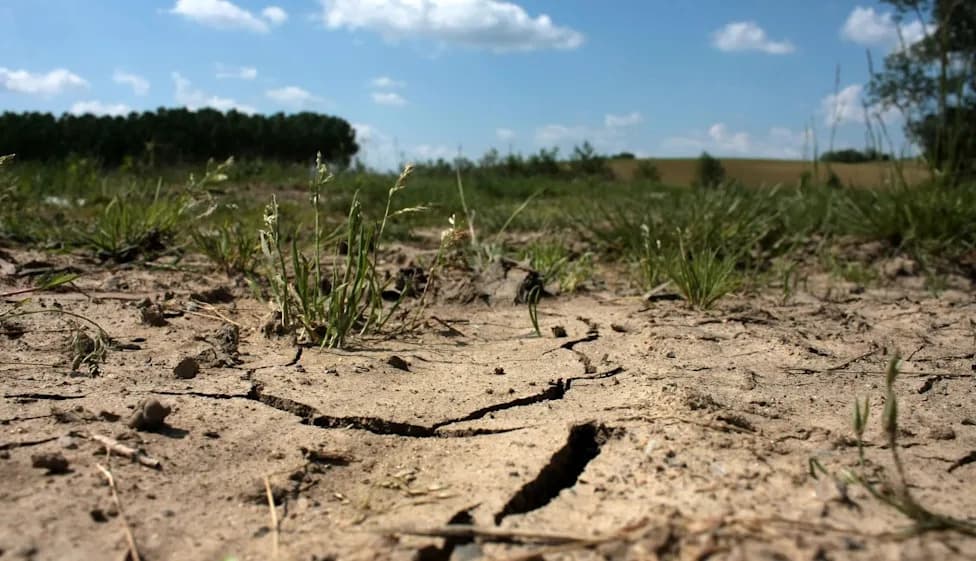
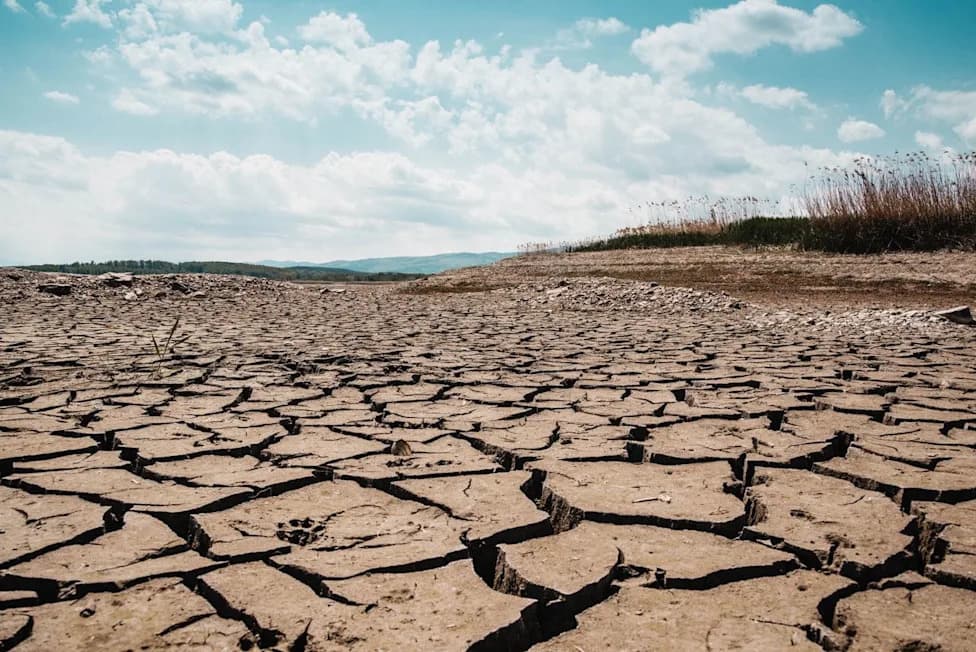
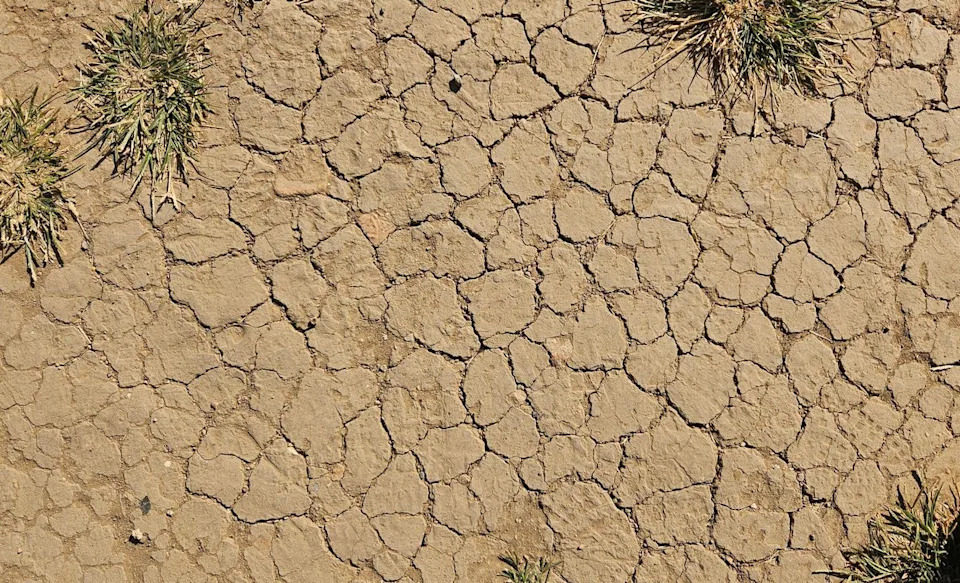
A United Nations report indicates that more than 77% of Earth’s land has experienced drier conditions in recent decades. In the western United States, a megadrought estimated to be the worst in 1,200 years has lowered key reservoirs such as Lake Mead to roughly one-third of their historical capacity.
Why Drought Can Increase Some Diseases
The study’s authors, including Johnson and Tara Stewart Merrill of the Cary Institute of Ecosystem Studies, reviewed nearly 100 prior studies to identify the main mechanisms by which drought can alter disease transmission.
Host Concentration: As rivers and ponds shrink, animals and people concentrate around remaining water sources. These crowded, long-used spots can become hotspots for parasite and pathogen transmission—an effect observed when California amphibians crowded into dwindling ponds during the 2014 drought experienced heavier parasite burdens and higher infection rates.
(Photo by Curraw K via Pexels)
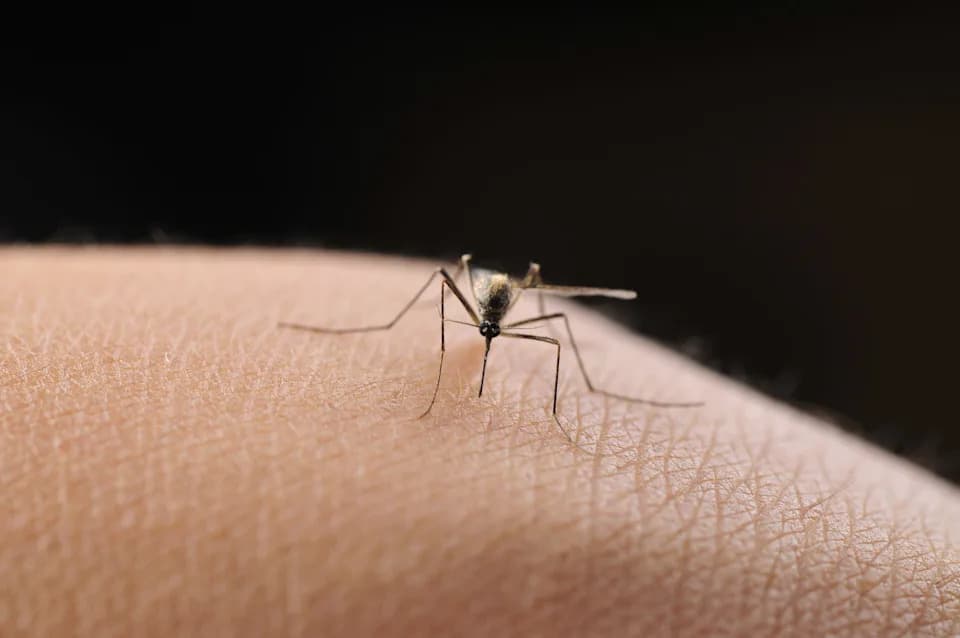
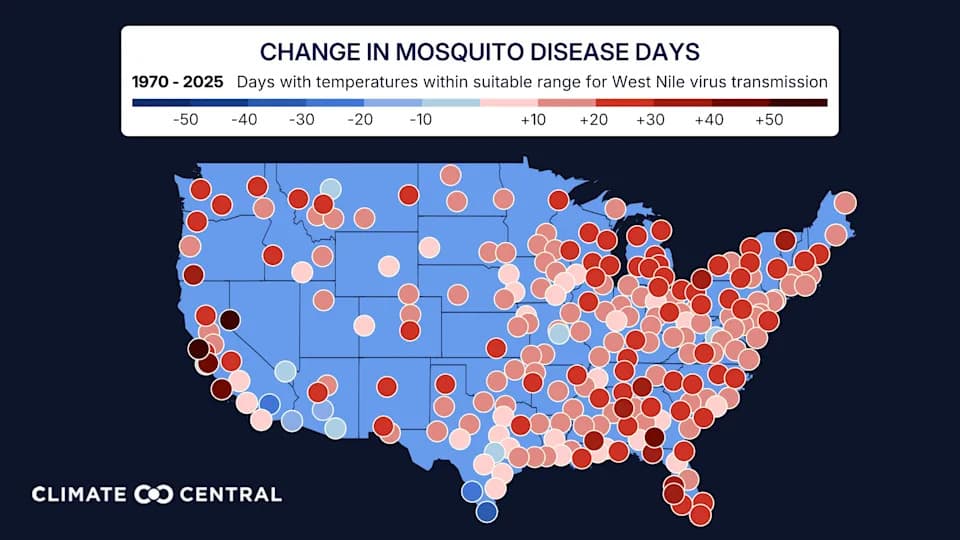
Changes in Food-Webs and Predation: Reduced water levels can eliminate aquatic predators that keep disease vectors in check. In North America, lower water and fewer predators such as dragonfly larvae have been linked to increased mosquito populations and greater spread of mosquito-borne illnesses including West Nile virus and St. Louis encephalitis.
Landscape and Airborne Pathways: Drier soils produce more dust, which can spread fungal pathogens such as the fungus that causes Valley fever. At the same time, some aquatic pathogens decline when habitats disappear—chytrid fungus, a major cause of global amphibian declines, tends to spread poorly under dry conditions.
Which Pathogens Will Thrive?
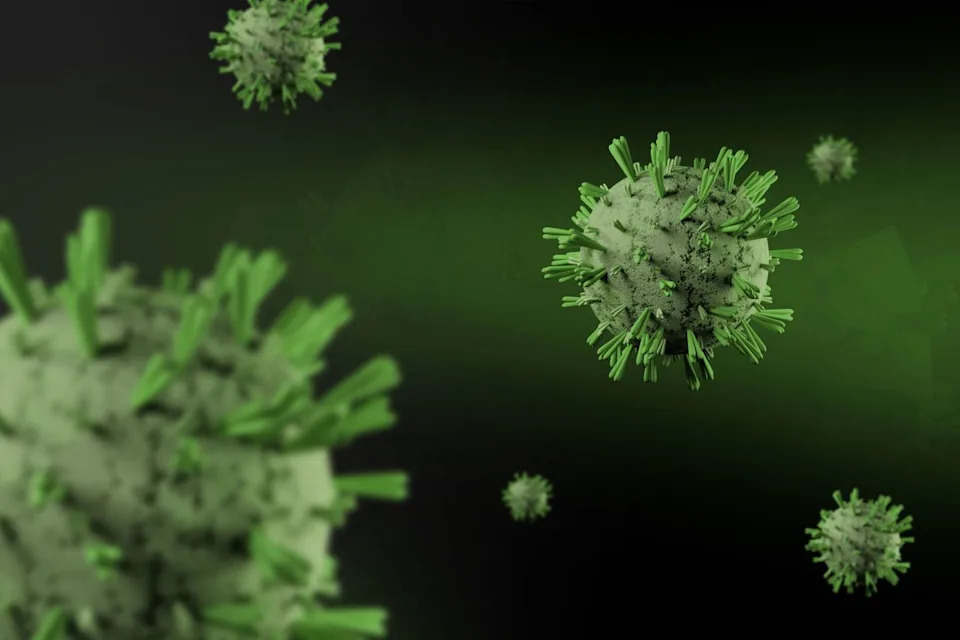
The review suggests predictable traits that determine which pathogens will be "winners" or "losers" as droughts intensify. Generalist pathogens that infect many host species and those able to survive outside aquatic environments or move between aquatic and terrestrial hosts are more likely to persist or expand their ranges. Specialists restricted to a single host or strictly aquatic life cycles are more vulnerable to local decline.
The findings were published in the journal Trends in Ecology & Evolution and underscore the importance of anticipating how changing drought patterns will reshape disease risk so public-health, wildlife managers and communities can better forecast and prepare for outbreaks.
Implications
As climate change increases the frequency, intensity and unpredictability of droughts, planning and surveillance systems must adapt to shifting patterns of transmission. The study calls for targeted monitoring of hotspots, vector control where appropriate, and cross-disciplinary research linking hydrology, ecology and epidemiology to reduce risks to people and wildlife.
Help us improve.