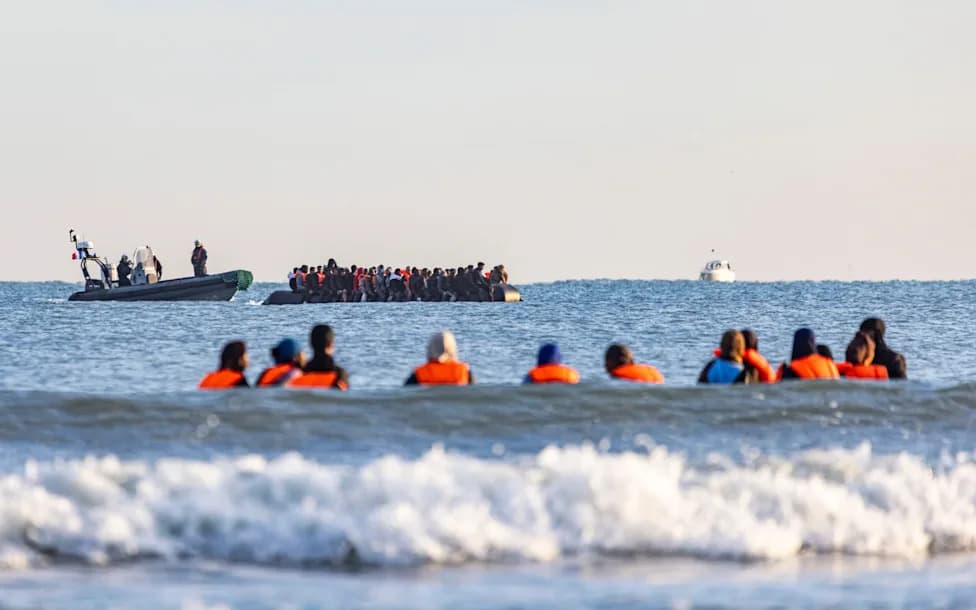
This opinion piece argues that large-scale migration has been effectively imposed on British voters without proper democratic consent, fuelling public anger. It criticises suggestions that the middle classes are not "playing their part," cites YouGov polling showing strong concern about small-boat crossings, and calls for policy changes to remove incentives for irregular migration. The author proposes a symbolic test — senior politicians hosting irregular arrivals — to sharpen political accountability.
We Didn’t Consent To Mass Migration — Why Middle-Class Britain Rejects Small-Boat Policy
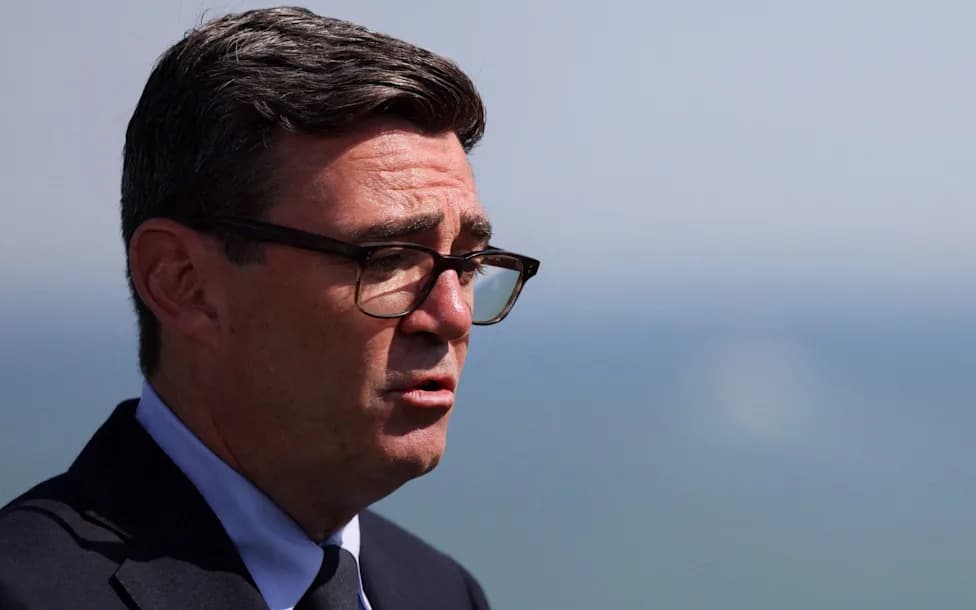
Burnham has called for middle-class people to play their part in accommodating asylum seekers - Jack Taylor/REUTERS
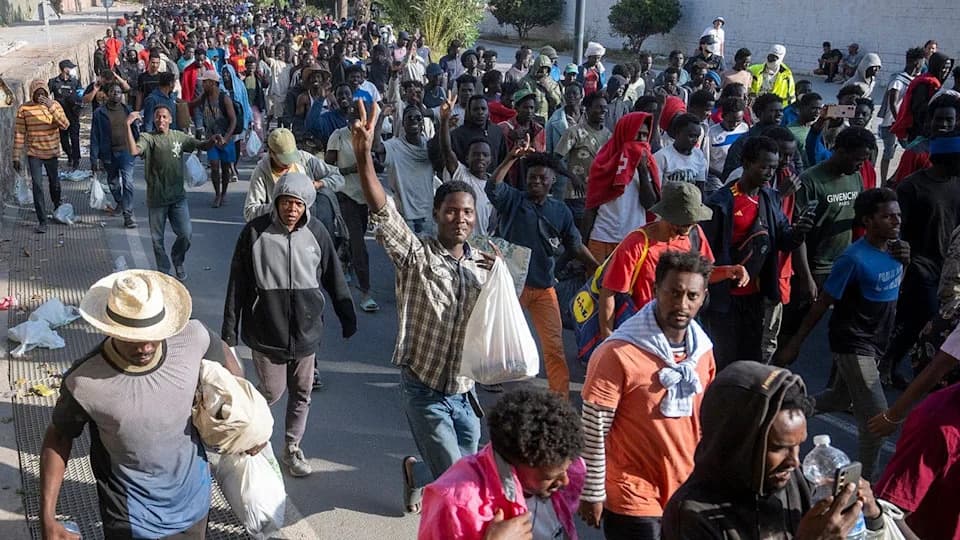
The most frustrating feature of Britain’s experience with large-scale migration is how it was effectively imposed on voters with little regard for democratic consent. Policies that led to record levels of arrivals were not advertised in manifestos, debated properly in public, or clearly endorsed by the electorate — yet the consequences are now being felt in communities across the country.
Which party pledged in its manifesto to raise migration incrementally until it reached historic highs? Not New Labour. Not the Conservatives under any leader. Not the Labour Party currently led by Sir Keir Starmer and Andy Burnham. The electorate was not asked — and that democratic gap has fuelled a great deal of anger.
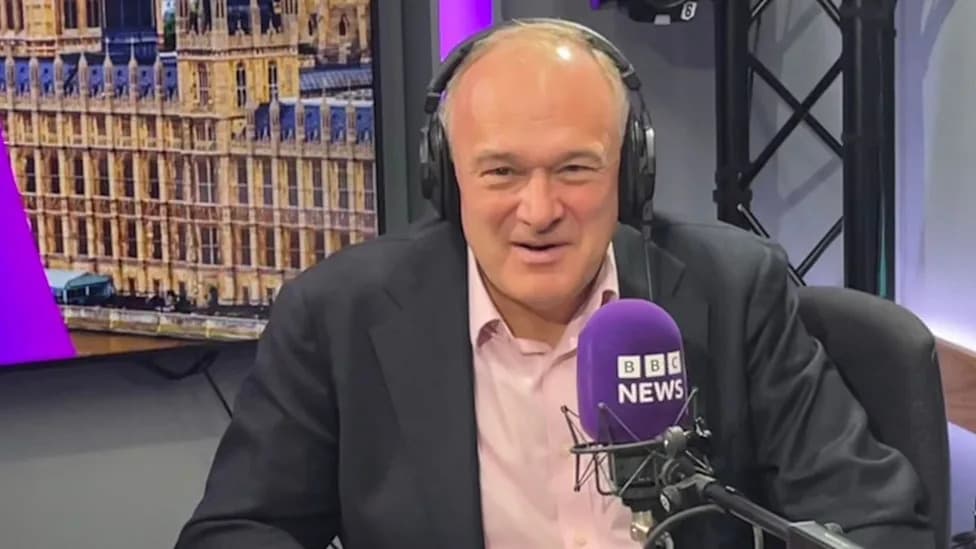
That brings me to Andy Burnham. Yesterday, the new leader suggested middle-class households should "play their part" and quietly accept local accommodation for people arriving in small boats.
"I do believe all parts of the country need to work... to play their part," he told GB News. "It's a challenging issue. We're working at it. We understand people's concerns."
Excuse me — many ordinary people feel they were not consulted. Recent YouGov polling shows only one in five Britons now regard migration as "mostly good" for the country, and in January 79% of voters said the Government should prioritise stopping small-boat crossings. Those figures help explain why the middle classes bristle at the suggestion they are not already "playing their part."
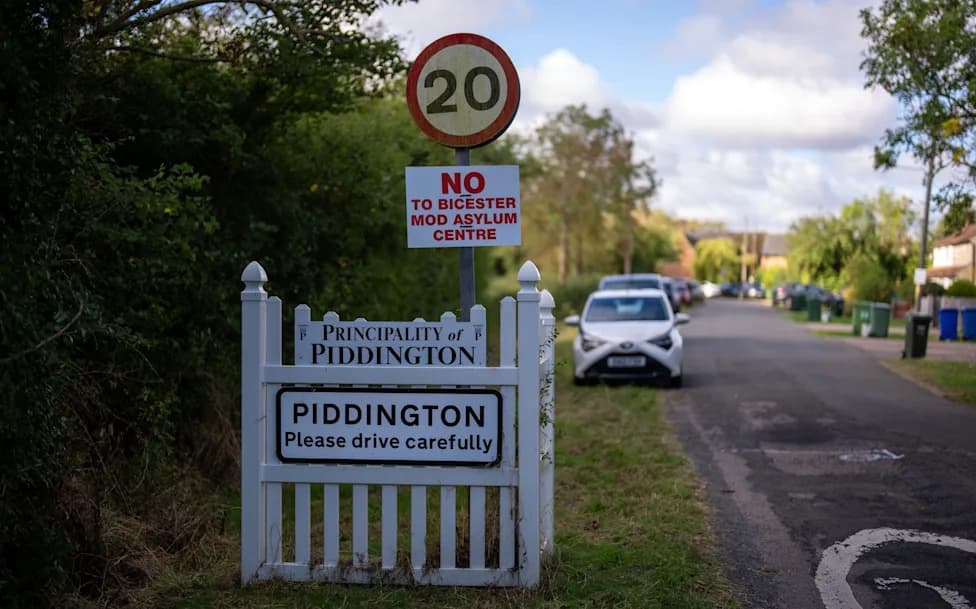
Hundreds of households opened their homes to Ukrainians following Vladimir Putin's invasion — a generous and broadly welcomed national response. But the public distinguishes between that situation and people who cross the Channel irregularly: the route and circumstances prompt legitimate questions about who is a genuine asylum seeker and who is not.
Responsibility and Policy Choices
Immigration — legal and illegal — is a complex policy challenge. But it is not a natural disaster: it is the product of political choices and institutional arrangements. If ministers and parties truly cared about public concern, they would be willing to change the incentives that encourage dangerous crossings.
Consider the small boats: rhetoric about "smashing the gangs" is inadequate. If every adult landing irregularly were detained pending a fair but swift process to determine claims and enforce deportation where appropriate — in secure, temporary facilities without access to phones, work in the informal economy or cash handouts — the incentive to make the crossing would be significantly reduced.
That is a tough and controversial prescription. But it reflects a central point: policy incentives shape behaviour. If we remove the incentives that make small-boat crossings an effective route to settlement, the numbers should fall.
Public Safety Concerns
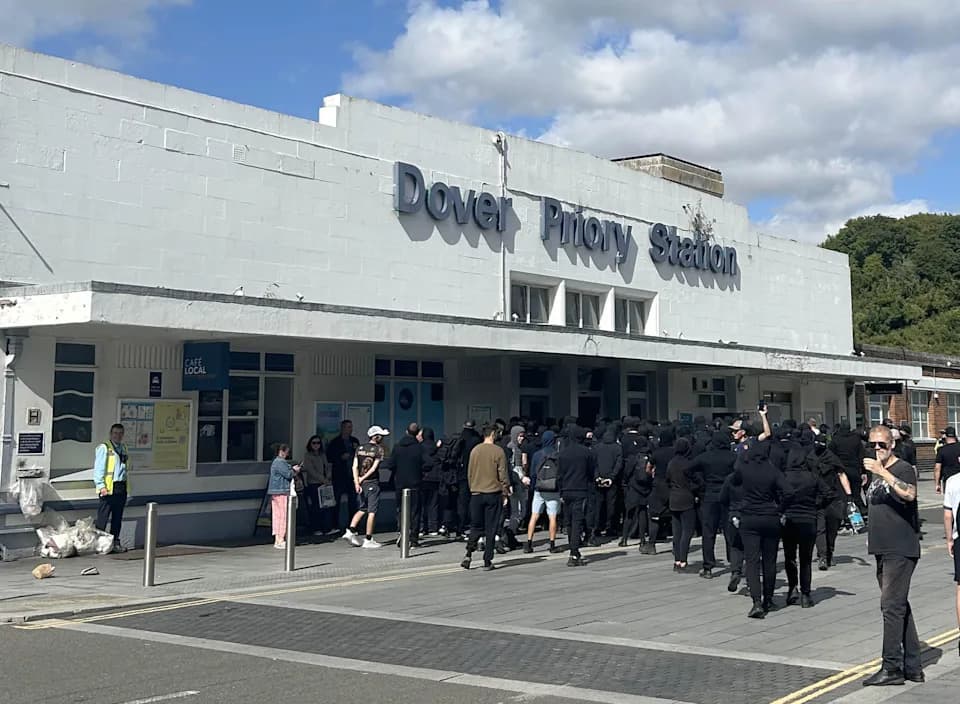
The debate is further complicated by highly publicised criminal incidents involving some recent arrivals. To avoid suggesting guilt where it has not been legally established, it is important to be precise: some individuals who arrived irregularly have been accused of violent or sexual offences, which has understandably increased local anxiety and hardened public opinion about current arrangements.
Faced with these pressures, it can feel insulting to be told middle-class families "must play their part" when many feel their voices were not heard at the ballot box and when they are already contending with high taxes and stretched public services.
A Counter-Proposal To Focus Minds
As a provocative corrective, the author suggests a symbolic test: every prime minister since 1997 and every home secretary should each take a small number of irregular migrants into their homes and care for them until the crisis is resolved — beginning with the current political leaders. The proposal is meant to concentrate minds and force those responsible for policy to experience its local impacts directly.
Whether one agrees with the exact remedy or not, the underlying demand is clear: political leaders should face stronger accountability for immigration policy outcomes and be willing to make difficult choices to protect public confidence in the system.
Ultimately, migration is a matter of public policy, democratic legitimacy and community cohesion. If the status quo persists, the gap between voters’ expectations and government action will continue to widen — with consequences for trust in institutions and the social fabric of neighbourhoods.
Help us improve.