The US Marine Corps will host a four-day AI hackathon from September 15–18, jointly run by Marine Corps University and the Naval Postgraduate School and authorized by MARADMIN 350/26. Applications are due August 14. Teams—composed of technical builders, subject-matter experts, and support staff—will prototype solutions across six challenge areas, from personalized learning to wargaming. The event seeks practical, scalable AI tools to improve training and aligns with TECOM Campaign Plan 2025 and Training and Education 2030.
US Marines Launch Four-Day AI Hackathon to Reinvent How Troops Train
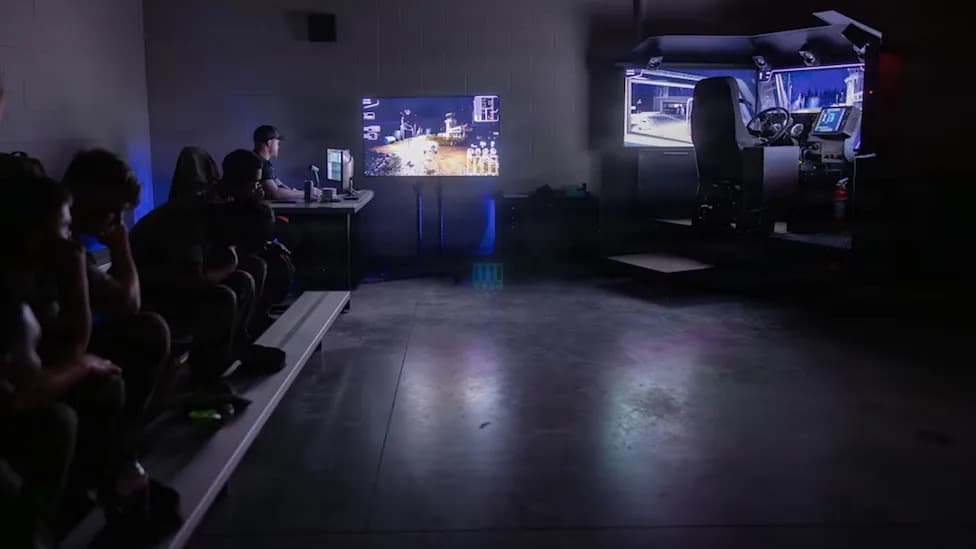
US Marines to host a four-day ‘AI hackathon’ to reinvent how troops are trained for war
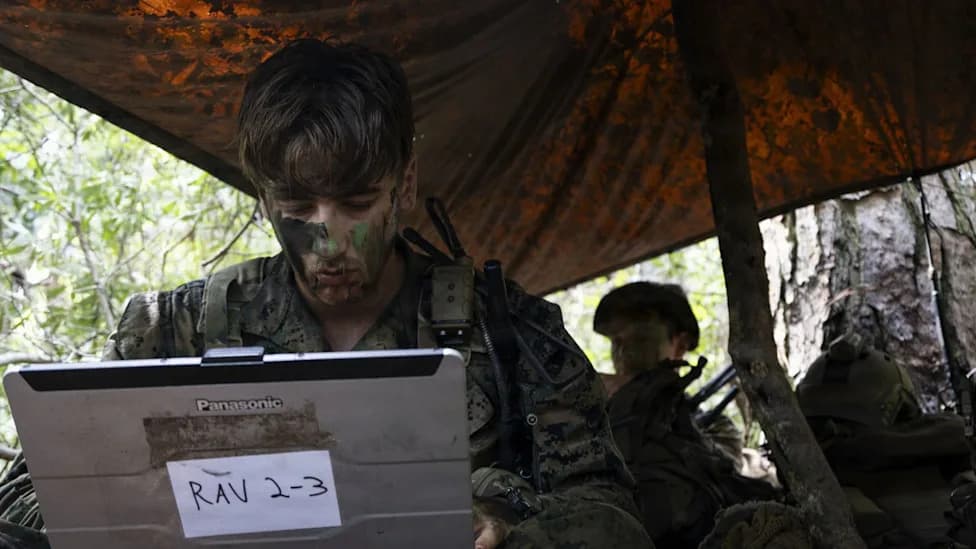
The US Marine Corps will host a four-day hackathon from September 15–18 to develop AI-driven prototypes aimed at transforming how Marines are trained and how they learn. The event, authorized by MARADMIN 350/26 (signed July 30), is a joint initiative between Marine Corps University (MCU) and the Naval Postgraduate School (NPS). Applications close August 14.
The Corps frames the effort as urgent: "The integration of advanced technologies like AI and machine learning is a present warfighting and educational imperative," the MARADMIN states, citing the rapidly evolving nature of modern conflict. MCU will contribute operational and professional military education expertise, while NPS will provide AI and data-science technical depth. Command guidance emphasizes producing practical, scalable solutions that accelerate the Corps' broader adoption of AI in training and operations.
Four Days, Focused Outcomes
The hackathon is structured across four focused days. Day 1 covers orientation, use-case familiarization, and interdisciplinary team formation. Days 2 and 3 are dedicated to development, experimentation, and prototype building. Day 4 will feature final presentations, judging, and formal recognition of top-performing teams. There are no monetary prizes; the goal is to generate actionable, scalable concepts and prototypes.
Who Should Participate
Participants may apply in one of three roles:
- Technical Builders (Hackers): Engineers, data scientists, and technologists who will develop prototypes—preferably using AI, machine learning, or data-science methods.
- Subject-Matter Experts: Operational leaders and instructors who define real training problems and mentor teams.
- Logistics & Administration: Staff who support event coordination, evaluation, and sustainment.
Both in-person sites—MCU at Quantico, Virginia, and NPS—will run simultaneously to enable parallel development and cross-site evaluation.
Challenge Areas
The MARADMIN lists six primary categories teams may address, though proposals with high operational value outside these areas are welcome:
- Personalized Learning: Adaptive curricula, individualized feedback, and tailored learning paths.
- Simulation & Virtual Training: Improving realism, fidelity, and instructional value of digital training environments.
- Performance Assessment: Objective evaluation of skills, knowledge, and decision-making.
- Content Generation: Automating the creation of training scenarios, lesson materials, and structured knowledge bases.
- Operational Support: Just-in-time learning tools, decision-support analytics, and data-informed instructional aids.
- Wargaming: Using AI to design, run, and evaluate simulated conflict scenarios for learning and doctrine testing.
Policy Context and Broader Trends
The hackathon aligns with the TECOM Campaign Plan 2025 and the Training and Education 2030 initiative, both of which direct the service to leverage data and AI to enable learner-centric training and enhanced human performance. The event follows earlier efforts such as the Modern-Day Marine AI Forum Hackathon (MARADMIN 131/26) and reflects a wider Defense Department push to integrate AI into professional military education—distinct from other AI work that focuses on weapons systems or battlefield platforms.
Why it matters: By concentrating on education and human performance, the Marine Corps aims to embed AI where it can reshape how Marines learn, rehearse, and make decisions—potentially delivering outsized improvements in readiness without relying on new hardware.
Help us improve.