Flock Safety's license-plate reader network, used by more than 5,000 law-enforcement agencies, has been implicated in dozens of cases where officers misused surveillance tools to stalk women. A Washington Post review identified at least 50 officers accused of improper use, with 46 cases tied to Flock equipment. Experts warn that voluntary, after-the-fact audits are insufficient and that legal and technical gaps leave survivors with limited remedies. Advocates push for stronger laws, mandatory oversight and safer product design to prevent foreseeable harms.
When License-Plate Readers Become Tools of Stalking: The Flock Safety Controversy

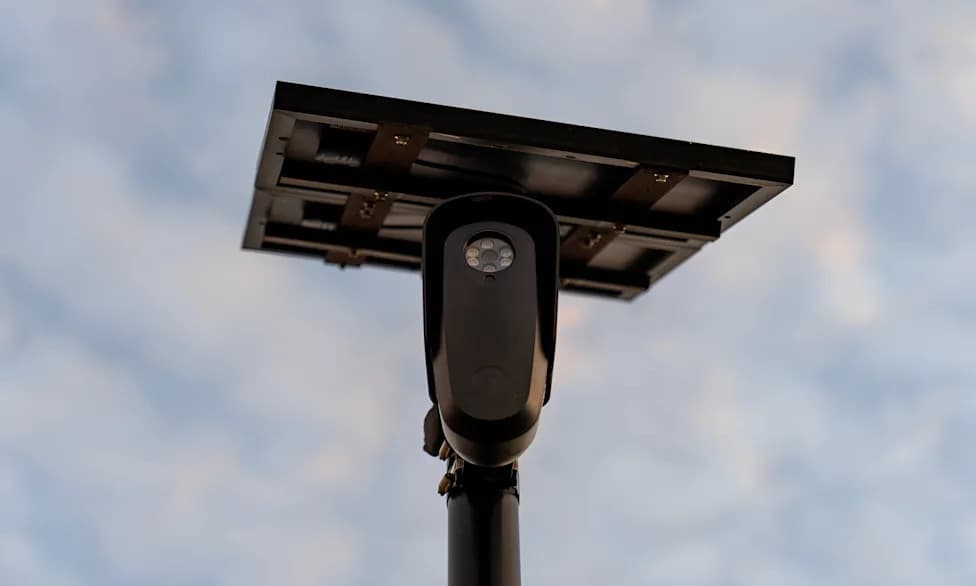
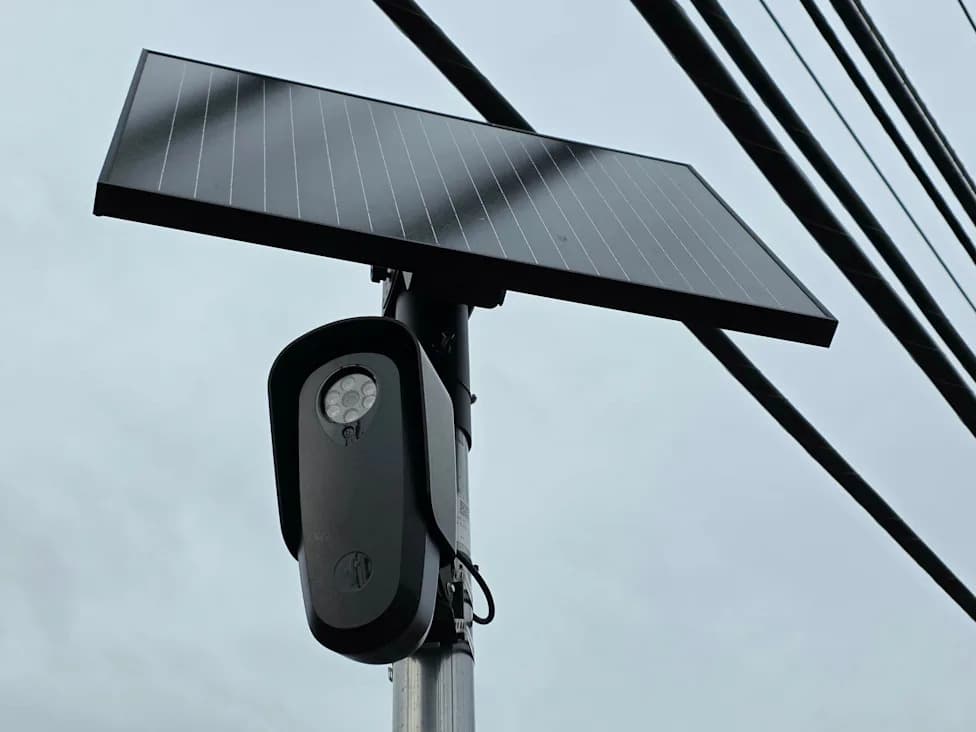
Experts say systems like smart cameras and automated license plate readers are sold to the public as ways to increase safety, but there are few, if any, guardrails to prevent them from becoming tools of domestic violence.(Emily Scherer for The 19th)
Flock Safety says more than 5,000 law-enforcement agencies use its automatic license-plate readers (ALPRs) to locate missing people, catch thieves and identify suspicious vehicles. The company is best known for a network of cameras that extract vehicle data from images and let users search by description or plate number.
Unauthorized Use: Officers Stalking Women
Investigations and advocates, however, report a persistent, unauthorized pattern: officers using Flock and similar technologies to stalk women and people close to them. A Washington Post review found at least 50 law-enforcement officers accused or charged with misusing Flock or comparable tools; more than half of those incidents involved searches linked to romantic partners. The Post identified 46 cases that specifically implicated Flock equipment.
Allegations Beyond Individual Misuse
Reports have also alleged that the network was used to find a woman who self-managed an abortion, to share data with Immigration and Customs Enforcement (ICE), and to search for people by race. The San Francisco Standard reported at least 39 Flock contracts were canceled in 2026 as community groups pressured jurisdictions to terminate agreements.
Systemic Risks, Not One-Off Problems
Advocates say the problem extends beyond a single vendor. In Colorado, two agencies that ended Flock contracts reportedly shifted to Axon, another ALPR supplier, illustrating how replacing a vendor does not eliminate the underlying surveillance risk. Campaigners warn that every new mass-surveillance technology is vulnerable to repurposing for intimate-partner abuse.
"Any technology that has the capacity for mass surveillance is inevitably used for gender violence," said Reem Suleiman, senior campaign director at Fight for the Future.
Why Technical Fixes Fall Short
Flock rolled out a voluntary audit tool in April intended to detect misuse, but participation is optional for precincts and the tool only identifies abuse after it occurs. Garrett Langley, Flock's CEO, told The Washington Post that while people make bad decisions, the company can at least ensure accountability when misuse is discovered. Critics say after-the-fact audits are inadequate to stop a long-term pattern of abuse.
"Shorter-term fixes can band-aid the immediate problem but do not address a long-term pattern," said Lucy Qin, a Georgetown postdoctoral researcher who studies privacy.
Eva Galperin of the Electronic Frontier Foundation called ALPRs and similar systems "not salvageable technology" for preventing intimate-partner abuse because of how readily they can be misused. Observers also note that police departments — a primary user base for systems like Flock — have documented elevated rates of domestic violence compared with the general population, making misuse foreseeable.
Survivors Face Legal And Practical Barriers
Survivors seeking remedies often encounter legal and technical obstacles. In New York, protective orders commonly require that stalking be perpetrated by a partner or ex-partner; that restriction can exclude victims tracked by officers or by a partner's new romantic rival. C.A. Goldberg, a victims' rights firm, has advocated for the CREEP Act, which would let people seek protective orders against anyone for harassment regardless of relationship status.
In one case cited by The Washington Post, Marci Bakely said her ex-boyfriend admitted using Flock to follow her in 2024, yet a judge denied her petition for a protective order for lack of sufficient evidence. Norma Buster, chief of staff at C.A. Goldberg, described a broader digital-literacy gap in courts and prosecutor offices that can make tech-enabled stalking harder to prove and prosecute.
What Advocates Want
Activists and experts call for several changes: stronger statutory limits on law-enforcement access to corporate surveillance databases, mandatory auditing and transparency requirements (not voluntary ones), better digital-literacy training for prosecutors and judges, and for companies to design products with foreseeable harms in mind and to minimize abuse vectors from the start.
Until such safeguards are widely adopted, critics warn, mass-surveillance tools promoted for public safety will continue to risk becoming instruments of intimate-partner violence, disproportionately harming women, LGBTQ+ people and communities of color.
Help us improve.