Summary: Cyberattacks this summer have disrupted water and wastewater operations in at least a dozen U.S. states, causing shut wells, temporary pressure drops and short boil-water advisories while officials report no confirmed impact on drinking-water quality. The FBI recommends basic mitigations — change passwords, segment networks and take vulnerable systems offline — while investigations probe possible links to Iranian or pro‑Iranian actors. Lawmakers, including Sen. Adam Schiff, are pushing for stronger federal authority to regulate water-sector cybersecurity.
U.S. Water Systems Targeted by Cyberattacks — Operations Disrupted, Drinking Water Intact
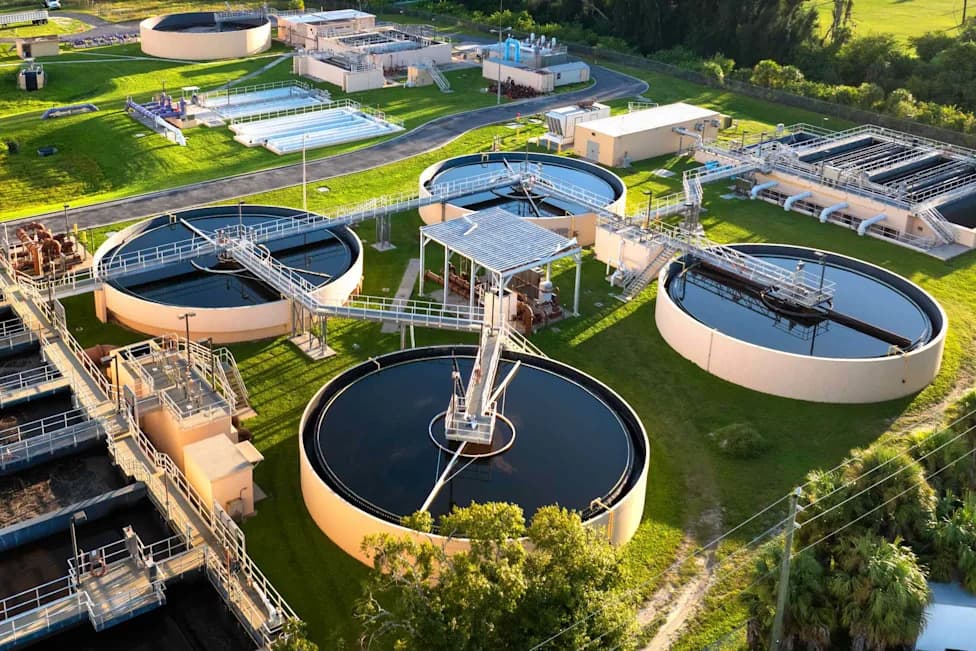
Credit: Bilanol / Getty Images
Cyber intrusions this summer have disrupted water and wastewater operations in at least a dozen U.S. states, exposing vulnerabilities in municipal control systems even as authorities say drinking-water quality has not been compromised.
What happened: Since late July, multiple news organizations and a July 30 FBI public service announcement have reported that attackers penetrated plant control systems and "degraded" operations at a growing number of facilities. Reported impacts include wells taken offline, temporary drops in pressure and short-lived boil-water advisories. Within days of the FBI's alert the number of affected sites rose to about a dozen.
Where the incidents occurred
States named in reporting include Minnesota, Michigan, Georgia, South Dakota, New Jersey and Arkansas. Minnesota appears to have been hit hardest: local reporting and officials say more than 30 community water systems were targeted on July 26–27, and one community temporarily urged residents to conserve water. In Georgia, cyber activity at the Clayton County Water Authority — which serves roughly 300,000 people — caused a pressure drop and a brief boil-water advisory before service was restored.
Public-safety impact and attribution
Officials emphasize that, so far, these incidents produced operational disruptions but did not alter drinking-water quality. Investigations are ongoing; multiple outlets and some U.S. intelligence sources say the pattern of activity is consistent with Iranian or pro‑Iranian cyber operators, and The Washington Post reported U.S. intelligence officials are "confident" the Islamic Revolutionary Guard Corps may be responsible, though definitive public attribution has not been released.
"They were able to hack into the control system of the well and just turn the well off, basically," Braham, Minnesota Mayor Nate George told local media. City officials restored service within an hour and reported no impact to water safety or plant infrastructure.
Guidance and policy response
The FBI has urged utilities to take basic but effective precautions: change default and weak passwords, segregate operational networks from business networks, and take exposed control systems offline when necessary. Lawmakers are also moving: Sen. Adam Schiff introduced legislation to give the EPA explicit authority to set and enforce water-sector cybersecurity requirements.
What residents can do
- Monitor your water utility's website and social accounts for service alerts and advisories.
- Sign up for local emergency alerts (text/email) from your city or county.
- Check your state drinking-water agency or the EPA's Local Drinking Water Information page if you are unsure who supplies your water.
- Follow boil-water advisories and conservation requests when issued; they are typically temporary.
Why this matters
Experts warn that even if current incidents have not compromised water quality, attackers could be testing capabilities that might later be used to cause larger disruptions — to civilian services, critical infrastructure or military-support systems. Improving basic cybersecurity hygiene across thousands of aging water systems is a widespread and urgent task, officials say.
Bottom line: The immediate public-health risk appears low, but the events reveal persistent cybersecurity gaps in the water sector and underscore the need for stronger protections, clearer federal authority and practical steps utilities can implement quickly.
Help us improve.