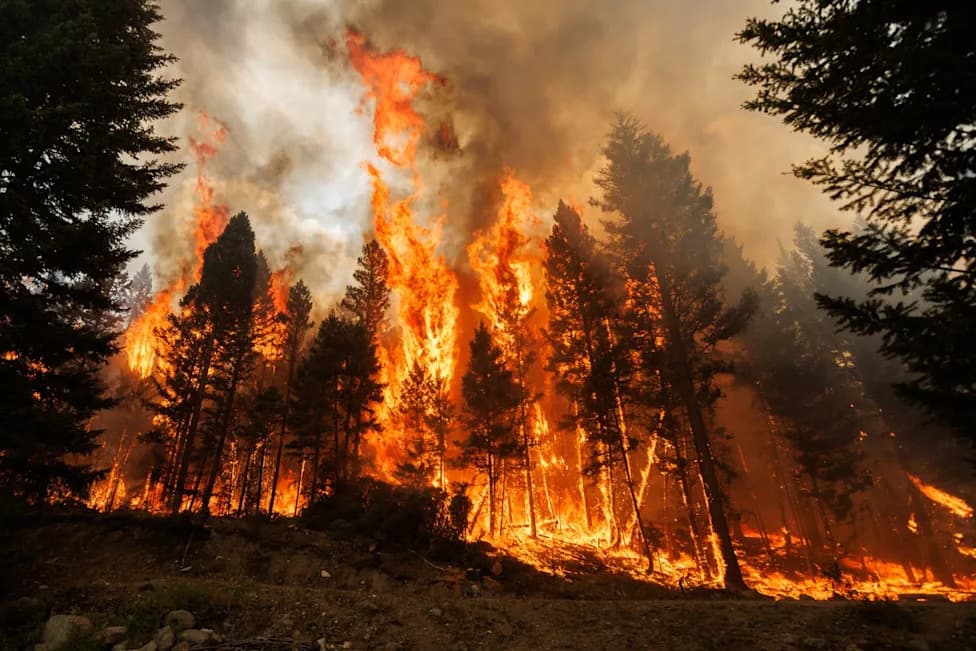
This article examines ethical and safety concerns surrounding prediction-market platforms like Kalshi and Polymarket, which allow wagers on disasters, public-health outcomes and clinical trials. U.S. senators warned the CFTC that wildfire markets could incentivize arson, citing the deadly January 2025 Palisades and Eaton fires that killed 31 people and destroyed more than 16,000 structures. The piece argues these markets expose broader economic incentives that can reward destructive behavior and highlights research showing climate change is increasing fire risk in the western U.S.
When the Market Bets on Disaster: How Prediction Apps Turn Tragedy Into Profit
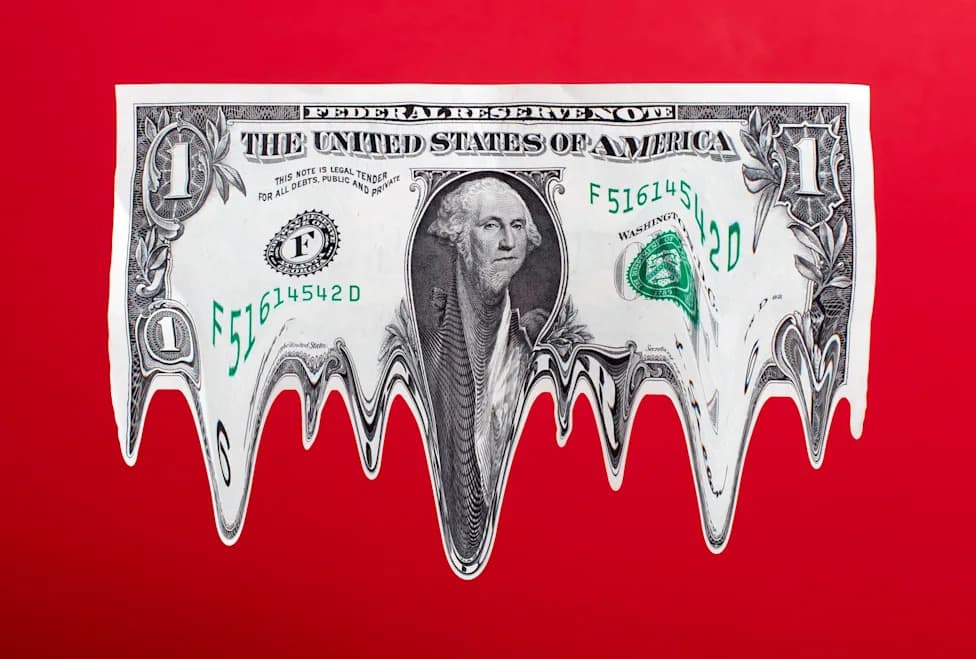
PM Images/Getty Images
As the western United States faces record-breaking wildfires, a disturbing trend has emerged: some people are not just worrying about the future — they are placing bets on it. Prediction-market platforms such as Kalshi and Polymarket let users wager on a wide range of outcomes, from sports and elections to disasters and public-health events. That expansion raises urgent ethical and safety questions about whether markets should be allowed to trade in real-world harms.
How These Markets Work
Prediction platforms use binary contracts that pay out if a specific event occurs; prices move as traders place bets, and the math behind the contracts is designed to reflect a market probability. The companies behind them often call themselves "future exchanges" rather than gambling sites, but regulators in jurisdictions including Singapore, France and Belgium have moved to ban or restrict these platforms.
The Wildfire Concern
On Aug. 3, Democratic senators from six states sent a letter to the chair of the Commodity Futures Trading Commission (CFTC) — the independent regulator that oversees Polymarket and Kalshi — warning that wagers tied to wildfires could incentivize arson. The senators cited past bets on the January 2025 Palisades and Eaton fires, disasters that together killed 31 people and destroyed more than 16,000 structures in Los Angeles County.
"Offering bets on destructive wildfires threatens to minimize communities' suffering all so the rich and powerful can profit," wrote Sens. Adam Schiff (D-Calif.) and Amy Klobuchar (D-Minn.) and their colleagues. "There's also the heightened risk — according to state and local fire officials — that individuals could be tempted to commit arson in order to make sure their bets are successful."
Examples Found On Platforms
Markets on these apps have included wagers on whether 2026 will be the hottest year on record, how many Atlantic hurricanes will form in a season, whether California will experience a magnitude-8 earthquake, and detailed questions about clinical trial outcomes and FDA approval of cancer drugs. I found markets tied to public-health outbreaks described bluntly (for example, cyclosporiasis labeled as "explosive diarrhea") and record-smashing measles counts. While wildfire markets were not live at the time of review, previous examples included bets on acres burned or the number of locations affected.
Perverse Incentives and Real-World Risks
Many of these scenarios create classic "perverse incentives," where paying for a bad outcome inadvertently increases the likelihood of that outcome. The oft-told anecdote about colonial bounties on cobras — which reportedly led to cobra breeding — captures this logic: when you pay for disaster, people may be tempted to cause it.
It is difficult to prove a direct causal link between prediction markets and arson, but arson is a well-documented cause of wildfires. Authorities recently arrested a suspect outside Spokane, Aaron Farinacci, who admitted to starting the Old Trails Fire and confessed to setting roughly two dozen other fires since 2025. Meanwhile, climate trends are worsening fire conditions: a 2021 study supported by the National Oceanic and Atmospheric Administration found that increases in "fire weather" across the western U.S. are primarily driven by climate change.
Broader Economic Argument
Beyond the immediate risks of betting on disasters, these platforms illuminate a wider problem: many parts of the economy already function on incentives that can reward harmful behavior. From hedge funds that profit from driving down company value to investors who strip assets from businesses, markets can create strong incentives for short-term gain at the expense of communities. The stock market has often behaved like a casino during speculative bubbles, rewarding extreme growth even when it undermines longer-term value.
Money and markets are human inventions with rules that can be redesigned. Societies can choose whether to allow profit to flow from catastrophe — whether wildfires, a child’s illness, foreclosures or arms manufacturing — or to create stronger safeguards that prevent commodifying suffering. Policymakers, regulators and platform operators now face a test: protect vulnerable communities from perverse incentives, or accept a marketplace that monetizes disaster.
Help us improve.