
Families of autistic children in Gaza say the conflict has destroyed routines, facilities and access to medication essential for care. Continuous bombardment, food insecurity and medicine shortages have driven severe behavioural regressions, panic attacks and medical complications in children like 16-year-old Ahmed and 19-year-old Muneer. Experts warn interrupted psychiatric and anti‑convulsant treatments can trigger violent rebound effects, while destroyed centres and the loss of specialist staff leave parents bearing much of the therapeutic burden.
Autism and War: Gaza Families Struggle as Routines, Care and Medication Vanish
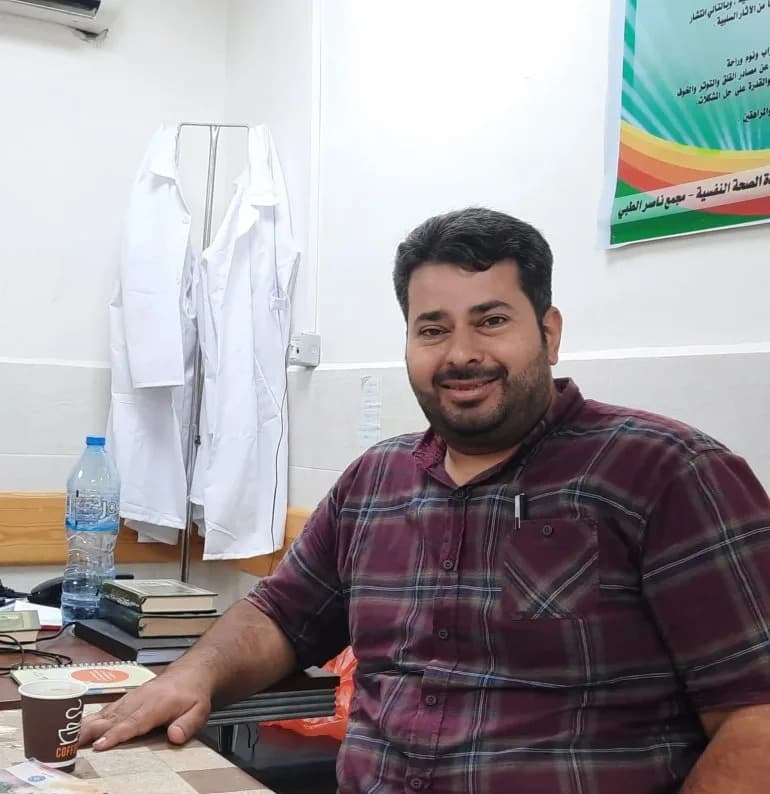
Psychological specialist Diaa Abu Aoun [Enas Abu Ghayad/Al Jazeera]
Khan Younis, Gaza Strip – Amid the rubble of Khan Younis, 16-year-old Ahmed Hatem al-Mahabeel sits with his hand pressed under his chin in a repetitive gesture he uses to soothe his nervous system and block memories of explosions.
Ahmed, who is autistic, has seen several of his favourite places disappear: his bedroom, his school and the sports academy he used to attend were all destroyed during Israel's military campaign in Gaza. Before the conflict he had been making steady progress — advancing at school with specialist support, training at a football academy, memorising the Quran and performing strongly in English.
Daily Life and Health Setbacks
Since the campaign began in October 2023, the article reports more than 73,380 Palestinians have been killed and large areas of the enclave have been devastated. Beyond those figures, families of children with autism say the collapse of services, the loss of predictable routines and shortages of food and medicine have had immediate and severe consequences.
“Ahmed used to go to the mosque and the club on his own, making excellent progress, but the war destroyed everything we built,”
said his mother, Umm Ahmed. “He suffers from extreme sensitivity to sudden noise; when explosions sound, he enters a severe panic attack, covering his ears and swaying. In cases of extreme terror, he resorts to self-harm, hitting his head against the ground to escape the sound.”
Alongside psychological trauma, malnutrition and protein deficiency led to medical complications: Ahmed suffered a ruptured appendix and a subsequent wound infection that required a second surgery because of deteriorated health linked to food shortages.
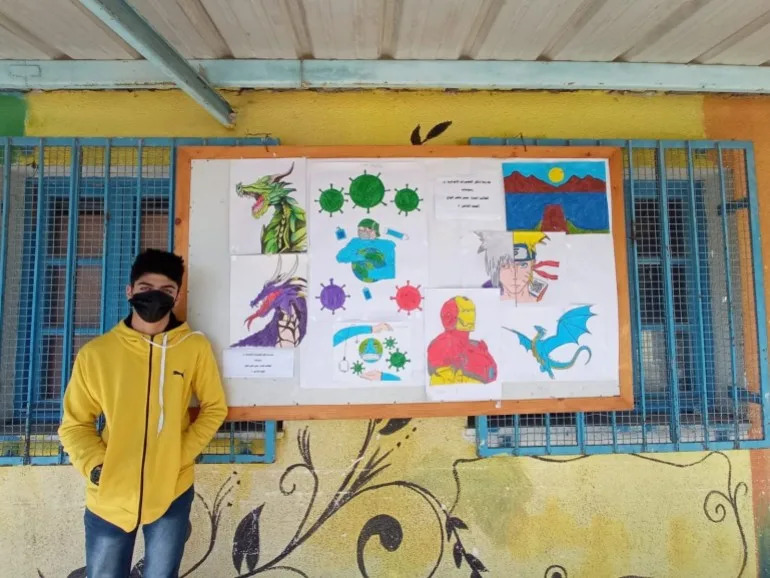
Muneer al-Haj standing next to an exhibition board featuring his artwork at his school before the war [Enas Abu Ghayad/Al Jazeera]
Behavioural Regression and Medication Shortages
Psychological specialist Diaa Abu Aoun, who has worked with Ahmed, warns that continuous bombardment directly assaults the nervous systems of autistic children. Constant explosions in Gaza have triggered severe behavioural regressions, including insomnia, wandering from shelters, panic attacks and self-harm.
"A child with autism relies entirely on routine and calm to feel safe," Abu Aoun said. "When forced to live in tents amid continuous explosions, their brains receive sensory shocks they cannot process. This fear translates into insomnia, digestive problems and severe screaming fits where the child can lose control."
In Nuseirat camp, 19-year-old Muneer al-Haj now reacts to air strikes by clenching his hands, pacing and producing repetitive sounds to drown out the noise. Before the war he had attended school, communicated well and showed talent in drawing. But shelling and medicine shortages — attributed in the article to the blockade and disruption of supply chains — have reduced his medication to half a tablet a day, contributing to screaming fits and seizure-like episodes.
His father, who preferred to be identified as Abu Muneer, described the change: "He used to communicate and express himself clearly, but the war consumed everything… this safe space dissolved facing hardship and fear. He now asks urgent questions we cannot answer, entering severe attacks if unresolved. We try to reassure him during shelling, saying 'God will protect us', but he realises what is happening, expressing his anguish by saying: 'I am without shelter or a homeland.'"
Collapse Of Services And International Aid Gaps
Experts warn that the interruption or forced reduction of psychiatric and anti-convulsant medications can cause severe rebound effects: violent fits, increased convulsions and reduced responsiveness to behavioural therapy. The World Health Organization reported that no rehabilitation equipment entered Gaza between May 2024 and April of this year, and that facilities faced severe operational constraints.
The Palestine Center for Special Education was destroyed and its former director, Arij Abu Sultan, was killed, according to the article — leaving families to take on greater therapeutic responsibility amid dwindling resources. Local NGOs such as Gaza's Dolphins Association for Education and Community Development are attempting to fill gaps, but staff, equipment and medicines remain scarce.
"An autistic child cannot survive without a predictable ecosystem; routine is a neurological safety valve," said Reem Jarour, head of autism programmes at the Dolphins Association. "Sudden displacement turns environmental triggers into acute threats, producing massive regression in language and social skills."
The human cost of disrupted care is illustrated by Ahmed and Muneer: children whose developmental gains and health have been reversed by conflict, shortages and the collapse of specialised services. Families and local organisations continue to call for urgent humanitarian assistance, reliable medical supplies and safe, predictable spaces for children with autism to rebuild routines and receive treatment.
Help us improve.





















