The week’s primaries highlighted a generational divide within the Democratic Party, capped by Luke Bronin’s upset of 14-term Rep. John Larson in Connecticut’s 1st District. Bronin, 47, framed his win as a call for new leadership after 2024 setbacks, while Larson’s recent medical episode intensified concerns about age in Congress. Ongoing progressive-versus-moderate contests — including wins in Michigan and a heated Wisconsin governor’s race — will test whether primary victories can convert into broader success this November.
Generational Shift: Democrats Signal Appetite for Younger Leaders After Primary Upsets
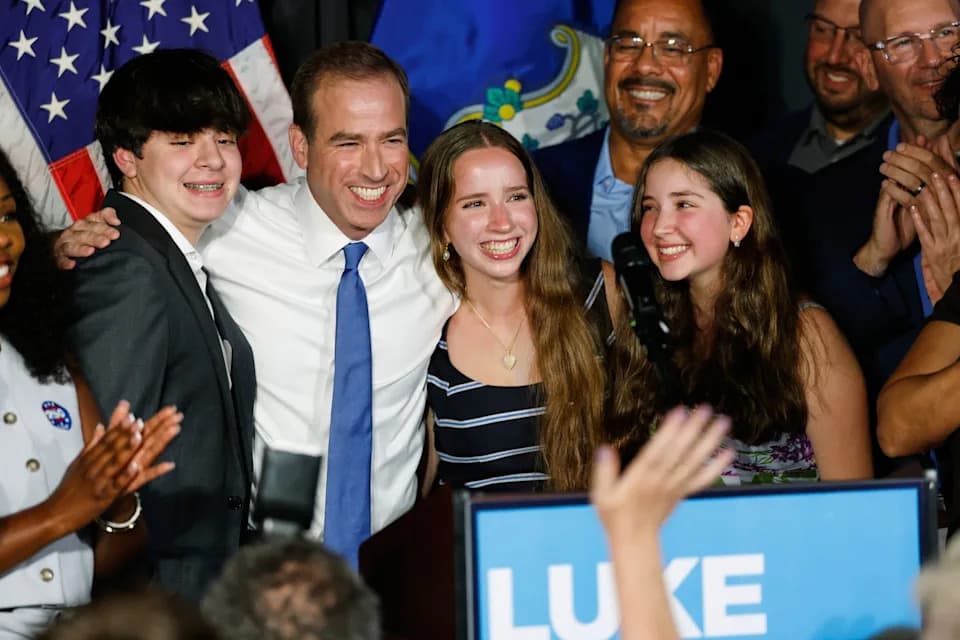
Rusty Jones/AP Photo - PHOTO: Luke Bronin, former Hartford mayor and Democratic candidate for Connecticut's 1st congressional district, stands on stage with his children during an election night watch party, Aug. 11, 2026, in Hartford, Conn.
In a week of sharply contested Democratic primaries, voters sent a clear message about generational change and the party's leadership direction.
Bronin Upsets Longtime Incumbent
Luke Bronin, the 47-year-old former mayor of Hartford, defeated 14-term Rep. John Larson in Connecticut’s 1st Congressional District. The race was widely viewed through the lens of their roughly 30-year age difference, with Bronin campaigning as a representative of a new generation of Democratic leadership following the party’s setbacks in 2024.
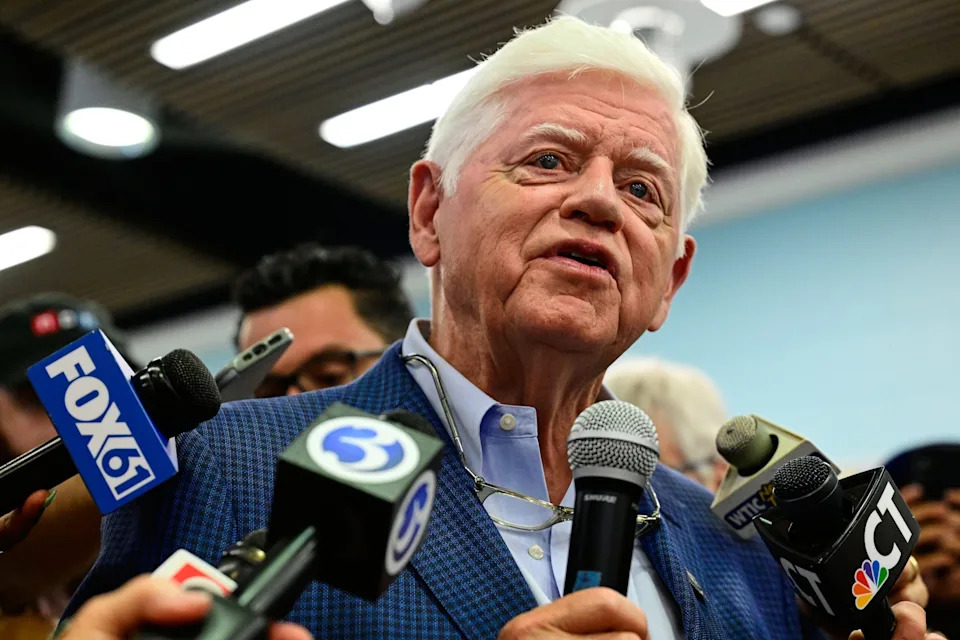
Jessica Hill/AP Photo - PHOTO: Rep. John Larson speaks during an election night watch party, Aug. 11, 2026, in East Hartford, Conn.
Larson, 78, had been a leading voice on expanding and shoring up Social Security, and he was expected to play an influential role if Democrats regained a House majority. But a medical episode on the House floor in February — later described by his office as a "complex partial seizure" — intensified concerns among voters about the age and stamina of long-serving members of Congress.
Broader Implications for the Party
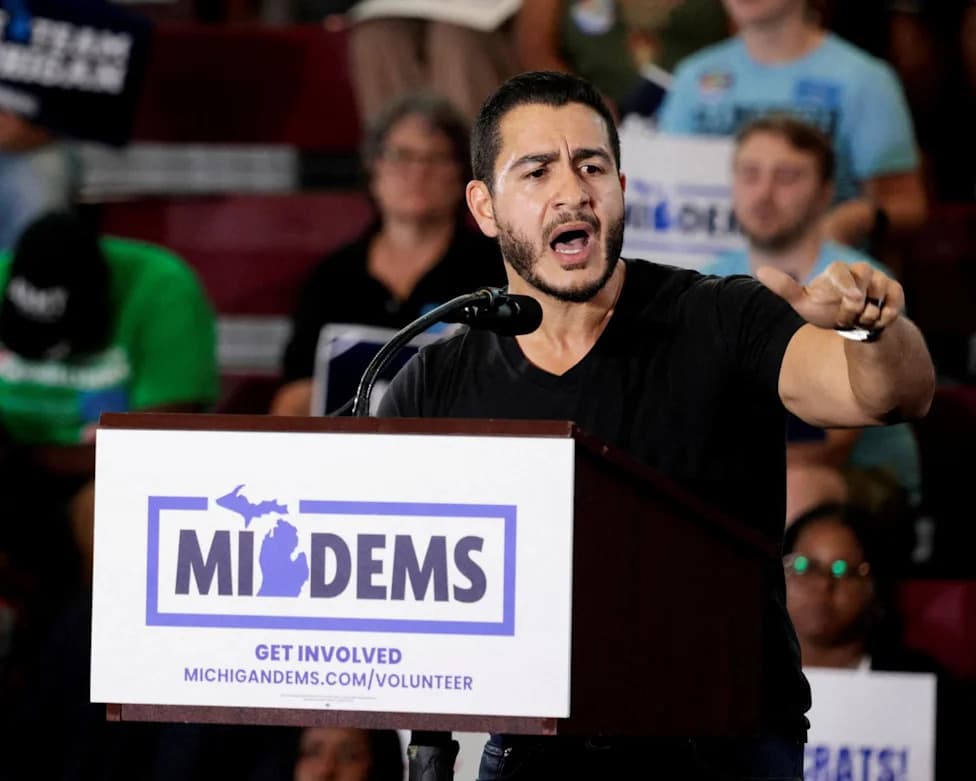
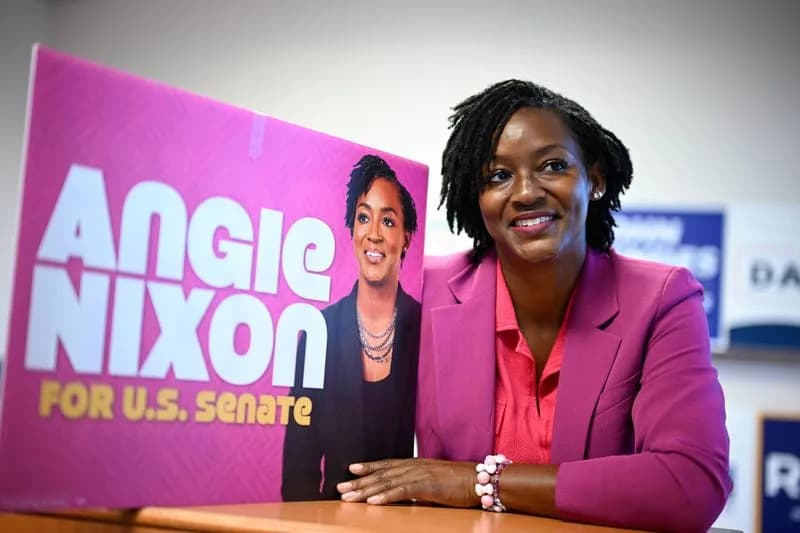
At the same time, internal debates between progressives and moderates continued to shape the primary calendar. Progressive Abdul El-Sayed’s narrow victory in the Michigan Senate primary and a competitive Wisconsin governor’s race pitting a democratic socialist state lawmaker against a centrist Milwaukee County executive have amplified competing visions for the party’s future.
Key Question: Can progressive candidates translate primary momentum into wins in competitive districts and convince independent and swing voters in the November general elections?
These primary results suggest voters are weighing generational change alongside ideological direction. The answers to which approach will be more effective nationally are likely to emerge as the party heads into the fall and the November general elections.
Help us improve.