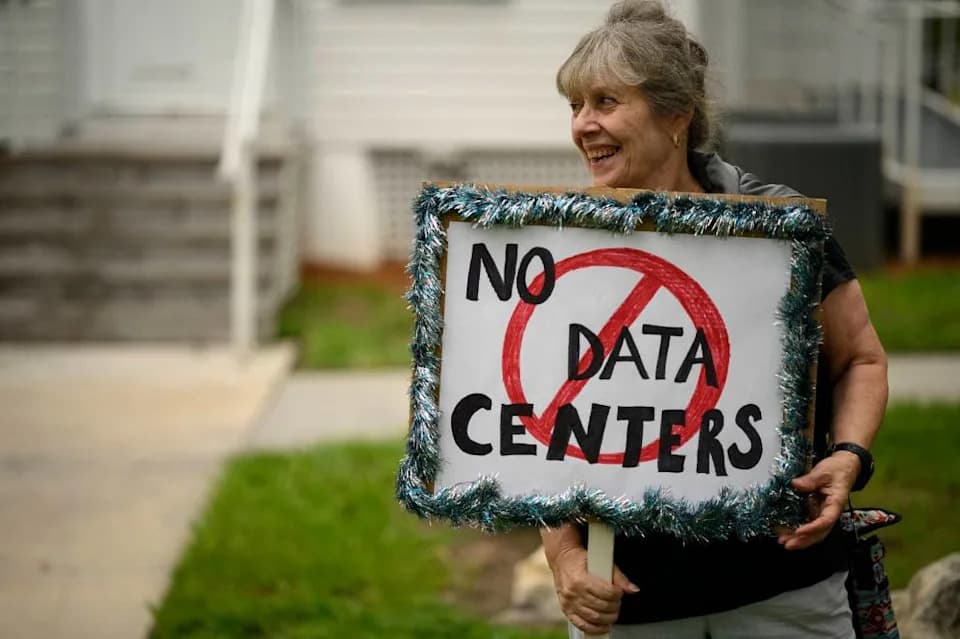
The Salem City Council imposed a one-year moratorium on new data-center projects after a more-than-six-hour hearing on Verrus' proposed $5.1 billion Oakline at Mill Creek campus. A dramatic protest — including a guillotine prop filmed on TikTok — underscored strong community opposition. Verrus' application predates the freeze and remains under review, while Governor Tina Kotek moved to cancel a related 32-acre land sale. The pause gives Salem time to revisit zoning, energy and water safeguards.
Salem Pauses $5.1B Verrus Data-Center Plan After Six-Hour Hearing and Guillotine Protest
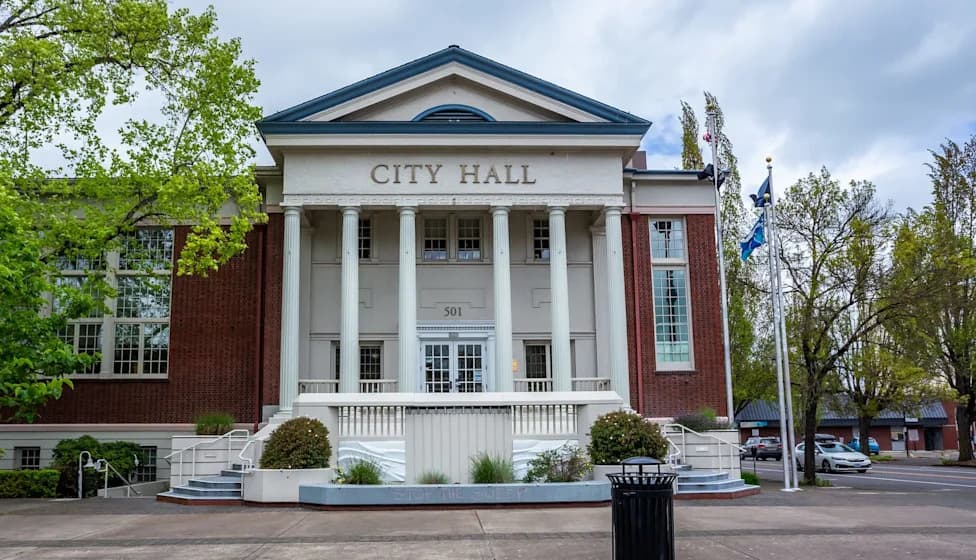
Photo Credit: iStock
A heated public debate in Salem, Oregon, over Verrus' proposed $5.1 billion Oakline at Mill Creek data center culminated in a dramatic protest and a city decision to halt new data-center approvals for a year.
The July 27 Salem City Council hearing lasted more than six hours as dozens of residents raised concerns about how a campus of that scale could reshape land use, strain local infrastructure, increase energy demand and affect water resources. The meeting drew national attention after a TikTok video showed a guillotine prop being towed by bicycle outside the council chamber as a symbolic protest.
Verrus representatives attended the hearing but left before it concluded after confrontations with protesters. Verrus spokesperson JP Newmann said,
"During a break in the proceedings, a group of opposition members cornered Verrus representatives and shouted insulting remarks, to the point where it no longer felt safe to stay."
On August 3, Salem adopted a one-year moratorium on new data-center projects while the city reviews and updates zoning and permitting rules. The pause places Salem alongside other jurisdictions that have recently slowed data-center development — including parts of Seattle and statewide actions in New York.
The moratorium does not automatically kill the Oakline at Mill Creek proposal. Because Verrus filed its application before the freeze took effect, the city continues to process the filing; the project still faces a lengthy permitting process that will require technical studies and enforceable conditions before construction could begin.
The proposal encountered a separate setback when Oregon Governor Tina Kotek announced the state would cancel the sale of a 32-acre parcel tied to the site, forcing Verrus to reconsider elements of its plan.
Why Data Centers Spark Local Pushback
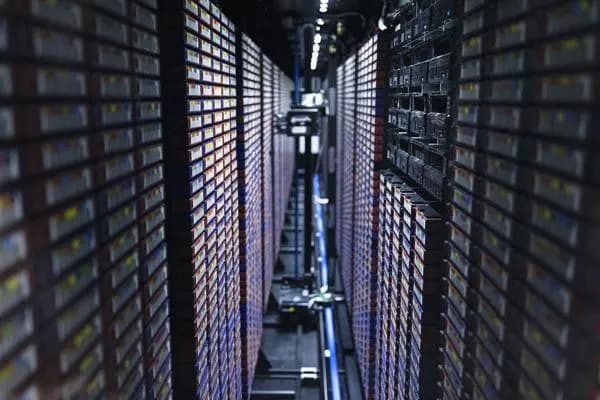
Data centers have become flash points nationwide as demand for computing capacity — driven in part by AI growth — has surged. These facilities require large amounts of electricity, land and often substantial water supplies, prompting concerns about higher utility bills, strain on regional grids, environmental trade-offs, security, traffic impacts and local oversight.
At the same time, proponents argue data centers bring jobs and investment. Oregon has tried to limit how much of the cost burden falls on residents: state law requires major electricity users, including data centers, to pay most grid-upgrade expenses. That framework enabled Portland General Electric to impose a roughly 30% rate increase for customers consuming more than 20 megawatts while residential rates were reduced by about 1.3%.
Next Steps
The one-year moratorium gives Salem officials time to refine zoning rules, set clearer standards for environmental and infrastructure impacts, and determine what enforceable safeguards should be required before construction starts. Any final decision on Oakline at Mill Creek will depend on the outcome of permit reviews, technical studies and potential changes to the project's footprint after the canceled land sale.
This case highlights the growing tension between rapid AI-driven demand for data-center capacity and communities' need for transparent planning, resilient grids and fair allocation of costs.
Help us improve.