The Israeli prime minister’s public rejection of Washington’s 15-point Gaza roadmap has prompted allies to question U.S. leverage and the viability of the Trump administration’s 27‑country Board of Peace. Diplomats warn the move could complicate broader regional goals — including de‑escalation with Iran and Hezbollah — and undermine confidence in U.S.-led diplomacy. U.S. officials call Netanyahu’s stance domestic election posturing, while European and regional figures remain divided over whether the Board can still deliver a credible stabilization plan.
Allies Question U.S. Leverage After Netanyahu Rejects 15‑Point Gaza Roadmap
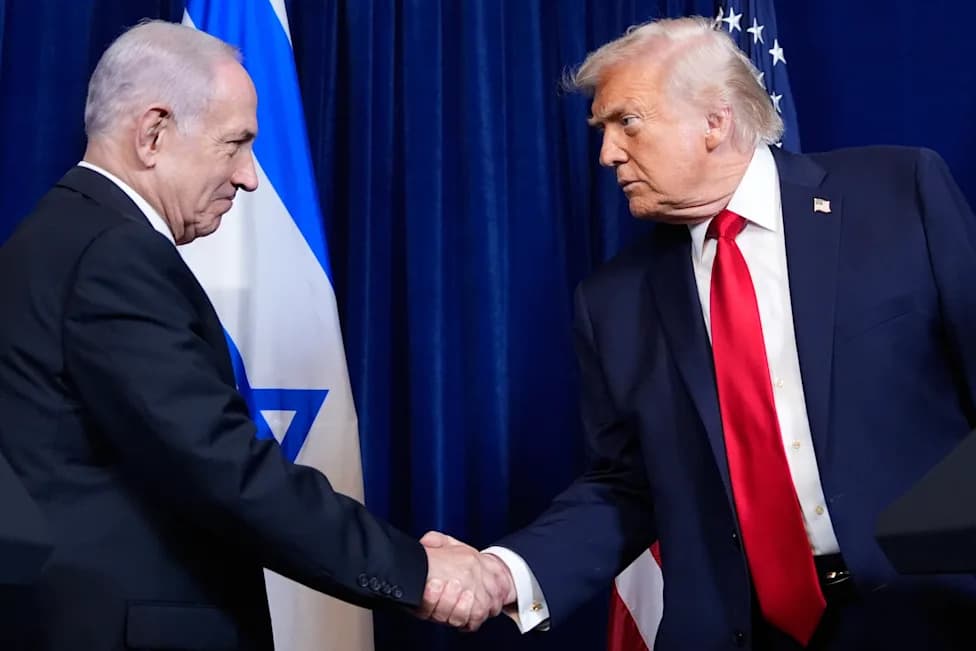
America’s allies doubt US negotiating tactics in Israel after Netanyahu rejected peace plan
Israeli Prime Minister Benjamin Netanyahu's public rejection of Washington's 15-point roadmap for Gaza has prompted U.S. allies and regional diplomats to question Washington's ability to shape outcomes in the Middle East. The decision casts new doubt on the credibility of the U.S.-backed "Board of Peace," a 27-country initiative created under the Trump administration to stabilize Gaza and oversee a post-conflict transition.
Why Allies Are Worried
Several diplomats and officials familiar with U.S. strategy told POLITICO that it increasingly appears Washington either lacks the leverage or is unwilling to use it to secure Gaza's stabilization. Those doubts extend beyond Gaza to broader regional goals, including efforts to reduce tensions with Iran and to de-escalate clashes between Israel and Hezbollah in Lebanon.
"Netanyahu's rejection of the peace plan carries significant implications for long-term regional stability and Israeli security," said an Arab diplomat who follows U.S. Middle East policy. "President Trump is uniquely positioned to press Netanyahu to change course if he chooses to assert his influence."
Netanyahu's Position
On Sunday, Netanyahu publicly disavowed the White House-backed roadmap, saying Israel will not withdraw forces from Gaza until Hamas has been "genuinely disarmed." That hard line could imperil the Board of Peace's envisioned stabilization force and its timetable for withdrawal and reconstruction.
Responses From the Board And Washington
The Board of Peace declined to comment formally, but an official involved in the process — speaking on background because of sensitive negotiations — said work is continuing and that Israel remains part of the discussions. The official pointed to a logistical support site under construction intended to host hundreds of troops for an international stabilization contingent.
"The roadmap is between the Board of Peace and Hamas. Separate discussions with Israel are continuing," the official said, adding that Israel is not being asked to make irreversible moves before verifiable steps occur on the ground.
A Trump administration official, also speaking anonymously, described Netanyahu's stance as domestic election posturing ahead of an October parliamentary vote. The White House has otherwise sought to downplay any public rift.
Diplomatic Reactions
Some Western and Arab diplomats warned that Netanyahu's refusal undercuts confidence in U.S. leadership and could embolden more maximalist positions. A Western diplomat argued that repeated concessions to Israel have produced expanding demands rather than compromise.
European officials remain divided. Several praised chief negotiator Nickolay Mladenov for advancing the 15-point plan and suggested the initiative could regain momentum if reintroduced after Israeli elections. Others warned that the episode erodes U.S. credibility and leaves regional actors unsure whether Washington can restrain Israeli actions when necessary.
Wider Implications
Analysts say the dispute is symptomatic of larger problems in U.S. Middle East policy: if Washington cannot secure Israeli buy-in for a limited, verifiable stabilization plan in Gaza, it will be harder to persuade other regional partners to cooperate on issues ranging from arms decommissioning to broader de‑escalation measures.
As negotiations continue behind the scenes, officials on all sides emphasize the sensitivity of talks and the need for verifiable steps on the ground — even as political calendars and domestic pressures complicate diplomacy.
Contributors: Jerry Wu, Megan Messerly, Myah Ward and Nicholas Vinocur contributed to this report.
Help us improve.