The UK is experiencing one of the driest, hottest growing seasons in decades, causing depleted water reserves, pest pressure and heat stress across many crops. Supermarkets are expected to relax cosmetic standards, so shoppers may see smaller, discoloured or misshapen vegetables — most of which remain perfectly edible. Farmers say buying imperfect produce can reduce waste and help sustain harvests as hotter summers become more common.
Sun‑Tanned Cauliflowers and Knobbly Potatoes: Why Heat‑Stressed Veg Is Still Fine to Eat
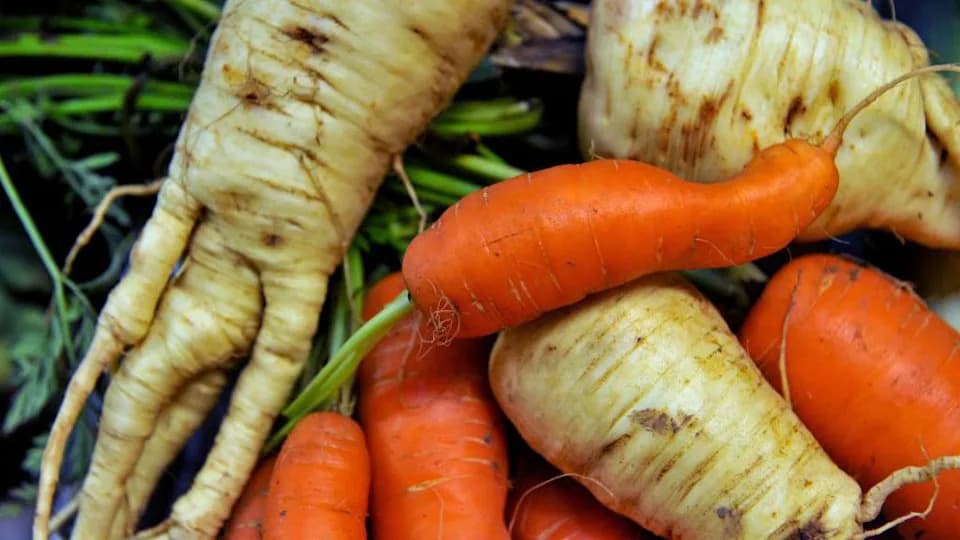
Many supermarkets have started their own 'imperfect veg' lines in recent years [Getty Images]
Would you buy a cauliflower that looks sunburnt or a cucumber that has curled back on itself? Across the UK, farmers are battling one of the driest, hottest growing seasons in decades. Repeated heatwaves after an unusually warm spring have raised warnings that this could be one of the worst harvests on record, and the heat is altering both yields and appearance.
Heat, Water And Cosmetic Rules
Supermarkets traditionally reject fruit and vegetables that fail strict standards for size, shape and colour. With supplies under pressure, many retailers are now expected to relax those cosmetic rules to avoid empty shelves — which means shoppers may soon see smaller, misshapen or oddly coloured veg in store. Producers and sellers emphasise that much of this produce remains perfectly safe and tasty to eat.
What’s Happening To The Crops
Cauliflower: Cauliflowers (and other brassicas) need plenty of water. Normally, outer leaves shade the head (or curd), keeping it white; this year, depleted water reserves and lighter exposure are bleaching some heads yellow. Emilie Vanpoperingh, co‑founder of Oddbox, says the discoloration is "purely a cosmetic defect" and does not affect flavour. Oddbox recently acquired about 6,000 cauliflower heads that supermarkets deemed too dark for sale.
Cucumbers and Greenhouse Crops: Cucumbers grown in greenhouses can become misshapen or curl into spirals when extreme outdoor heat causes greenhouse temperatures to soar. Even with irrigation, plants under heat stress often stop normal growth.
Pak Choi and Pests: John Harper, a grower in Worcestershire supplying Sainsbury's, Aldi and Co‑op, reports higher losses from flea beetles, which thrive in hot, dry weather. Tighter rules on some pesticides mean net covers are now a primary defence. Supermarkets' cosmetic standards can render even lightly damaged leaves unsaleable, though some retailers have temporarily relaxed tolerance levels during the heatwave.
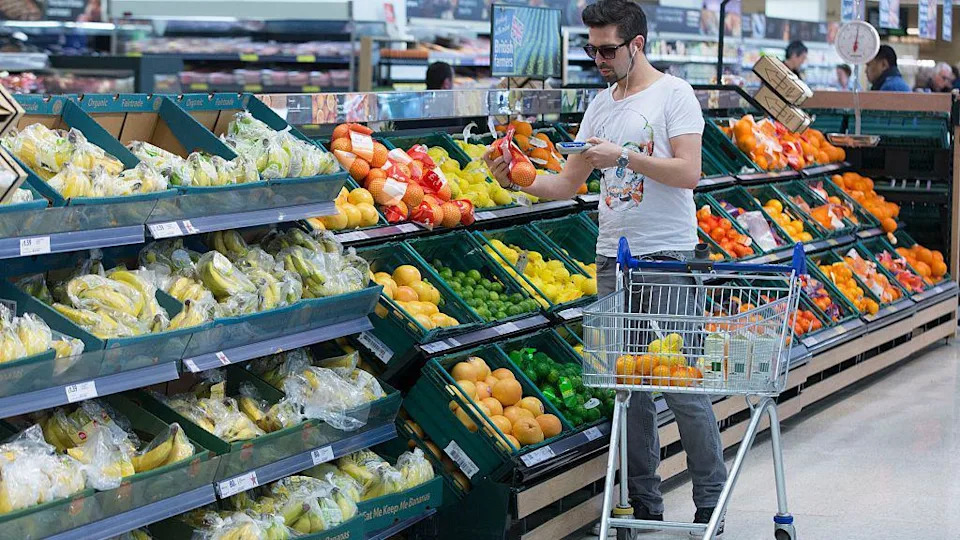
Supermarkets are being forced to import more produce from abroad because of the heat [Bloomberg via Getty Images]
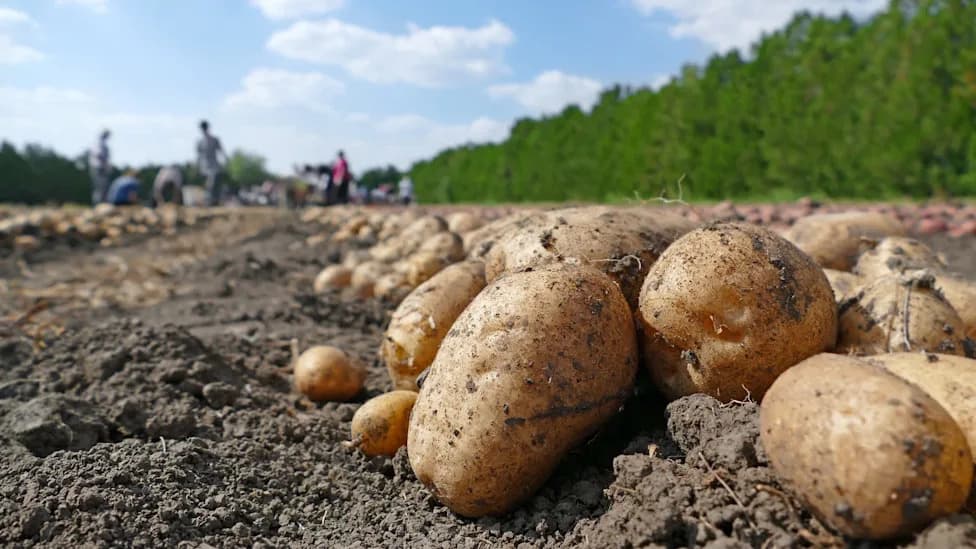
Potatoes: Hot spells can stunt tuber growth. When temperatures cool after a hot period, instead of the main tuber enlarging, a small knob can grow at the end of the potato, producing knobbly, oddly shaped tubers that many buyers traditionally reject. Farmer Lucy Munns calls the resulting waste "criminal" because the produce is still edible; knobbly bits can simply be cut away when prepping.
"Their biggest nightmare is empty shelves. They want to make sure they've got availability of produce all the time," said Vanpoperingh on why retailers may stock "sun‑tanned" cauliflower.
Retail Response And Wider Impacts
Several supermarkets — including Sainsbury's, Tesco, Morrisons and Waitrose — already sell "imperfect" or "wonky" veg lines. Waitrose's produce technical manager, Calum Kelly, says the retailer relaxes size and shape guidelines for key vegetables in demanding weather to reduce waste and support growers' incomes.
Not all shortfalls can be solved by selling imperfect produce. The British Retail Consortium reports that retailers are importing more food from abroad to fill gaps as UK supplies decline, creating a tension between supporting domestic farmers and meeting consumer expectations. Disruptions could last through the autumn and affect items such as cherries.
Looking Ahead
British summers are getting hotter and drier as the climate changes, and heatwaves like this one may become more frequent. Farmers will face choices: accept more on‑farm waste, invest in irrigation and water storage, or find better ways to market imperfect produce. Many growers urge consumers to be less picky: buying imperfect veg reduces waste and helps sustain farming livelihoods.
Practical Tip: Knobbly potatoes and yellowed cauliflower are safe to eat — simply trim or peel irregular parts. Choosing imperfect produce can save money and support UK growers during extreme seasons.
Help us improve.