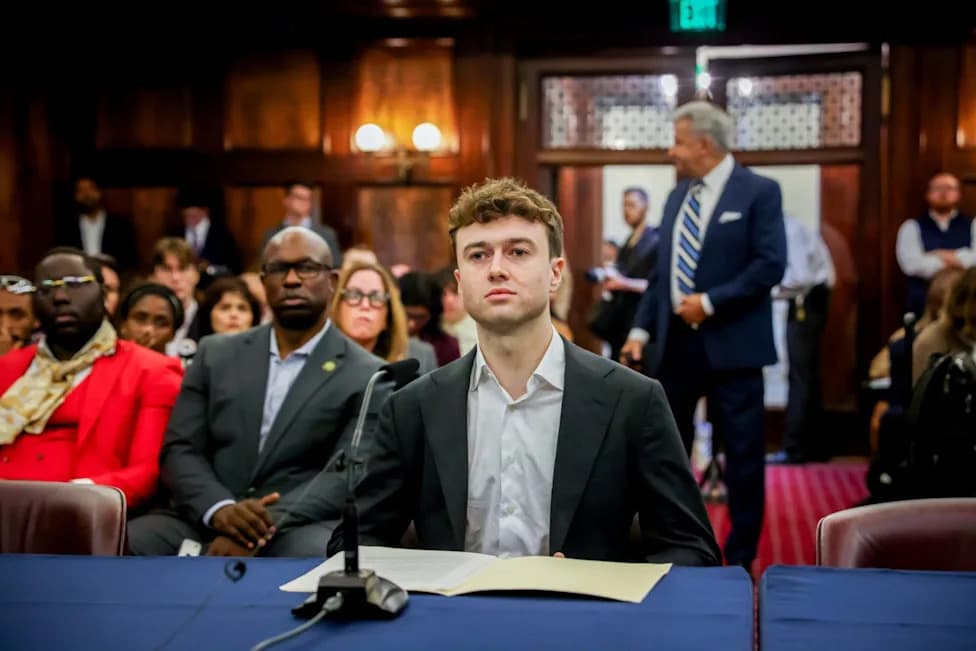
The Defense Policy Board’s recent reconstitution includes Marc Andreessen and Blake Masters, both linked to companies co‑invested in by Andreessen Horowitz and 1789 Capital — the latter a fund where Donald Trump Jr. is a partner. Those jointly backed firms, including Anduril, Hadrian and SpaceX, have since received billions in federal contracts and loans. Watchdogs warn the appointments raise conflict‑of‑interest concerns because advisers may influence decisions in sectors where they or their investors profit.
Hegseth’s Pentagon Picks Spark Conflict‑Of‑Interest Concerns Over Trump‑Linked VC Ties
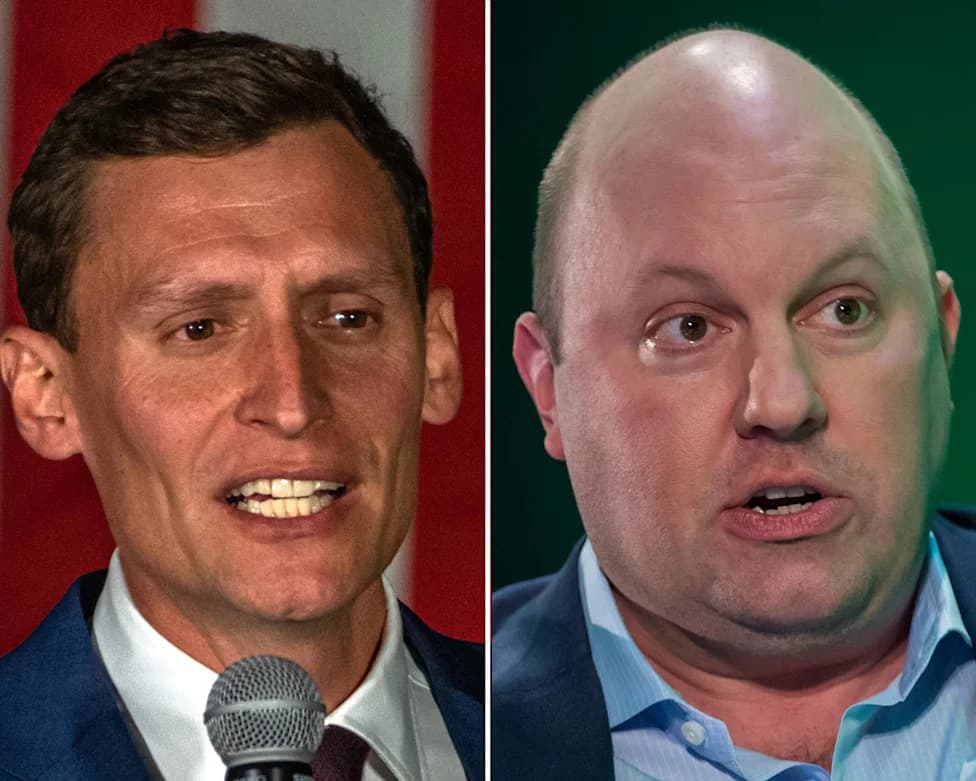
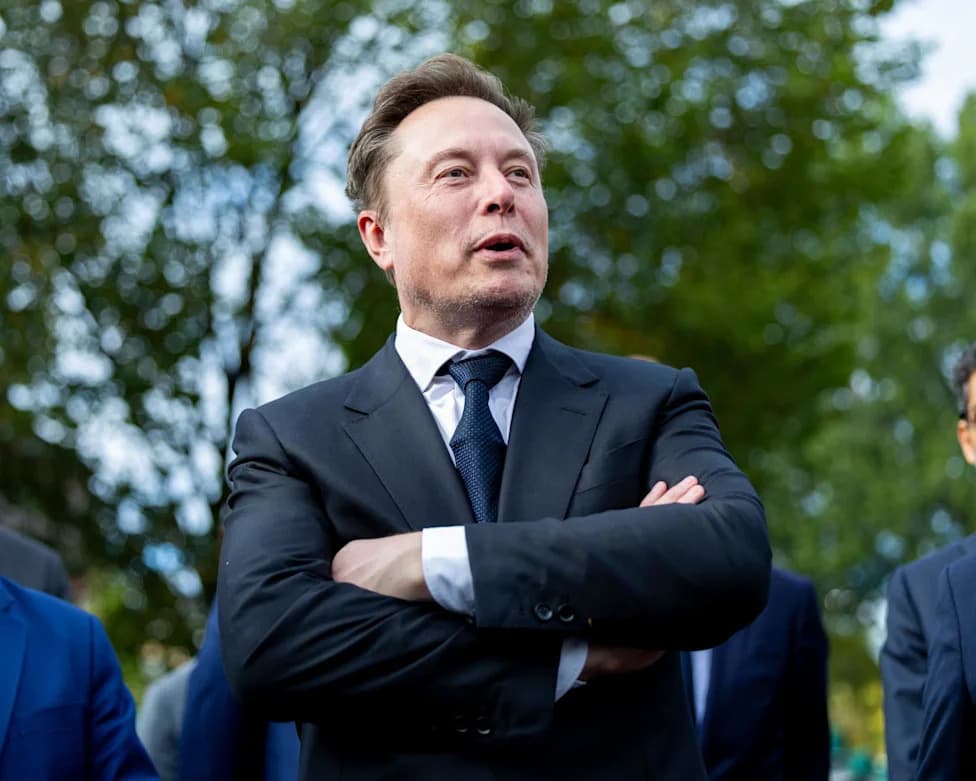
Blake Masters, a Defense Policy Board appointee, 'sits on the boards of three ventures tied to 1789 Capital', while fellow appointee Marc Andreessen's firm, Andreessen Horowitz (a16z), 'co-invests alongside the Trump partnership 1789 Capital in three defense contractors'.Photograph: Getty Images
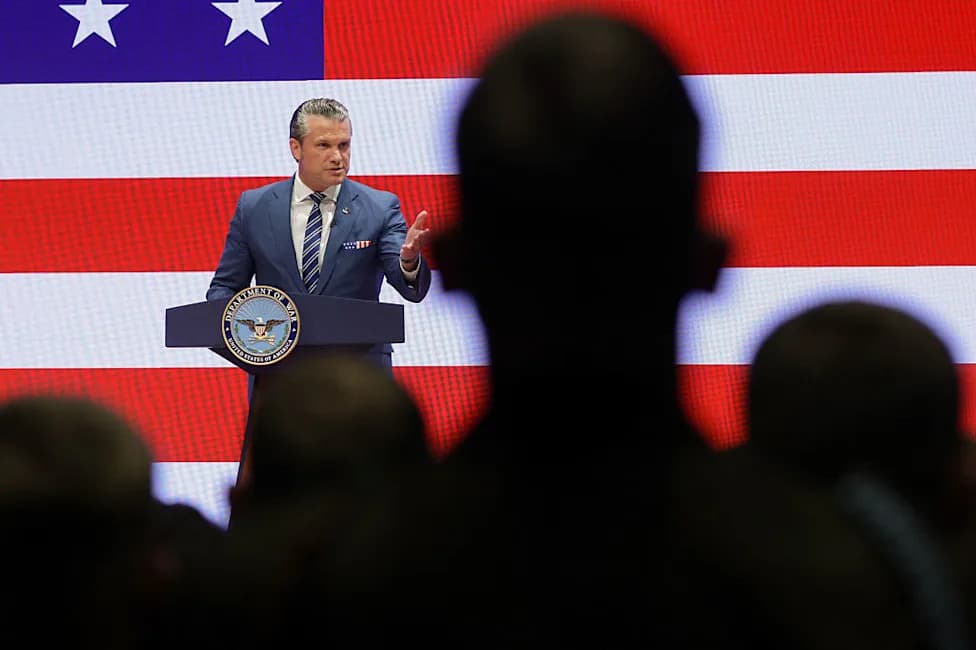
Pete Hegseth’s selections for the Defense Policy Board (DPB) have drawn scrutiny because two appointees — Marc Andreessen and Blake Masters — hold financial or board ties to companies co‑invested in by Andreessen Horowitz (a16z) and 1789 Capital, a venture fund where Donald Trump Jr. is a partner. Those jointly backed firms have since secured billions in federal contracts, loans and partnerships in the defence and space sectors.
Who Was Appointed and Why It Matters
Marc Andreessen, co‑founder of the Silicon Valley firm Andreessen Horowitz (a16z), and Blake Masters, a tech investor and former political candidate, were named to the reconstituted DPB on 29 June 2026. The board advises the secretary of defense and the under secretary of defense for policy on strategy, force structure and national security priorities.
Overlap Between Investors and Defence Contractors
Public filings and reporting indicate a16z and 1789 Capital have co‑invested in multiple companies with significant defence business, including Anduril Industries, Hadrian and SpaceX. Those companies have since won major federal support:
- Anduril: a16z led or co‑led a $5bn funding round in May 2026 that doubled the company’s valuation to about $61bn; reporting shows roughly $1.25bn in federal awards to Anduril during the first 500 days of President Trump’s second term.
- Hadrian: the automated‑manufacturing firm won a US Navy partnership worth up to $900m as part of a $2.4bn effort to build submarine component factories and an $80m US Army contract to automate the Red River Army Depot.
- SpaceX: cited as a major holding for 1789, SpaceX’s president has said the company has received about $22bn cumulatively from federal agencies, and it has secured large Space Force launch and satellite contracts.
Conflict‑Of‑Interest Concerns
Watchdogs and ethicists warn that advisory boards can present conflicts when members have active financial stakes in the industries they advise the government about. Scott Amey, general counsel at the Project On Government Oversight, said such panels often include people 'seeking government business — specifically seeking business with the agency they’re serving.' Nick Cleveland‑Stout of the Quincy Institute noted that roughly half of the reconstituted DPB comes from the defence industry and is actively working in it.
“So you worry: are some of these people here to raid the cupboards and learn as much as they can to give a competitive advantage to their employer or clients?” — Scott Amey, Project On Government Oversight
Background And Timeline
The DPB was established in 1985 and has been influential despite not setting policy directly. The board has previously attracted controversy: in the run‑up to the 2003 Iraq war, several members had ties to defence contractors, and the then‑chair Richard Perle resigned amid conflict‑of‑interest allegations. Hegseth disbanded several advisory panels in April 2025 after a 45‑day review he said aimed to bring 'fresh thinking' and 'bold changes,' and then reconstituted the DPB on 29 June 2026 with 15 new members chaired by former US trade representative Robert Lighthizer.
Additional Context On 1789 Capital And The Appointees
1789 Capital, founded in 2022 by Omeed Malik and others, publicly positioned itself as an anti‑'woke' investment vehicle and later pivoted toward defence, space and fintech investments. After Donald Trump Jr. joined 1789 as a partner in November 2024, the fund’s reported assets under management rose substantially, from about $150m in 2024 to roughly $3.5bn by May 2026, according to filings and reporting.
Blake Masters sits on boards connected to 1789‑linked special purpose acquisition companies (SPACs) run by Malik. Marc Andreessen and a16z have been active investors in defence and surveillance startups including Anduril, Hadrian, Shield AI, Skydio and others.
What Comes Next
The Department of Defense and a16z did not respond to requests for comment by publication deadlines. The appointments raise questions about transparency, recusal policies and how advisory input intersects with ongoing procurement and contracting decisions. Observers say stronger conflict‑management disclosures and strict recusal rules would help mitigate concerns when advisers have direct financial links to companies that rely on federal defence spending.
Reporting Note: This article synthesises public filings, media reporting and expert comment about investments, contracts and advisory appointments through May–June 2026.
Help us improve.