
Scotland will see up to 95% of the Sun obscured in a slow partial solar eclipse on Wednesday. The Moon begins to cross the Sun between about 18:01 and 18:10 BST, peaks roughly an hour later and finishes just before 20:00 BST. Choose an elevated, west-facing spot, check Met Office cloud forecasts and never look at the Sun without ISO 12312-2 certified eclipse glasses or an indirect viewing method like a pinhole projector or colander.
How and Where to See Scotland’s Partial Solar Eclipse — Up to 95% of the Sun Hidden
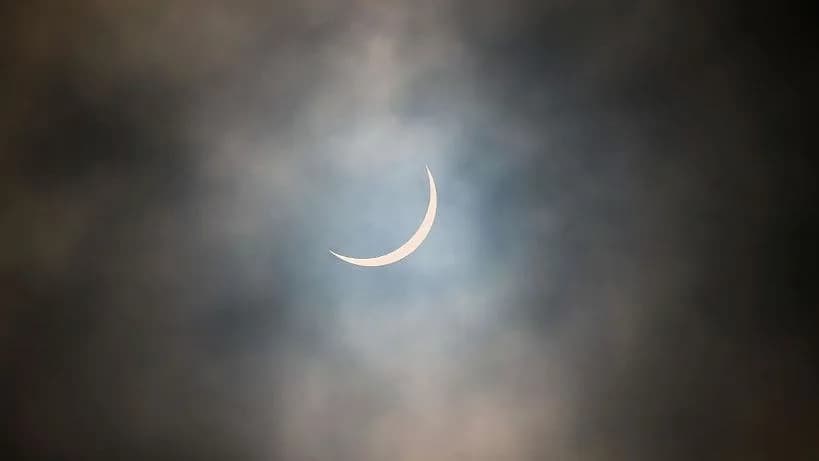
A partial solar eclipse was seen over Glasgow in March 2015 [Getty Images]
People across Scotland will get one of the clearest UK views of a solar eclipse in nearly 30 years when up to 95% of the Sun is obscured by the Moon. The slow-moving partial eclipse will unfold over roughly two hours on Wednesday — but it is vital never to look directly at the Sun without proper protection.
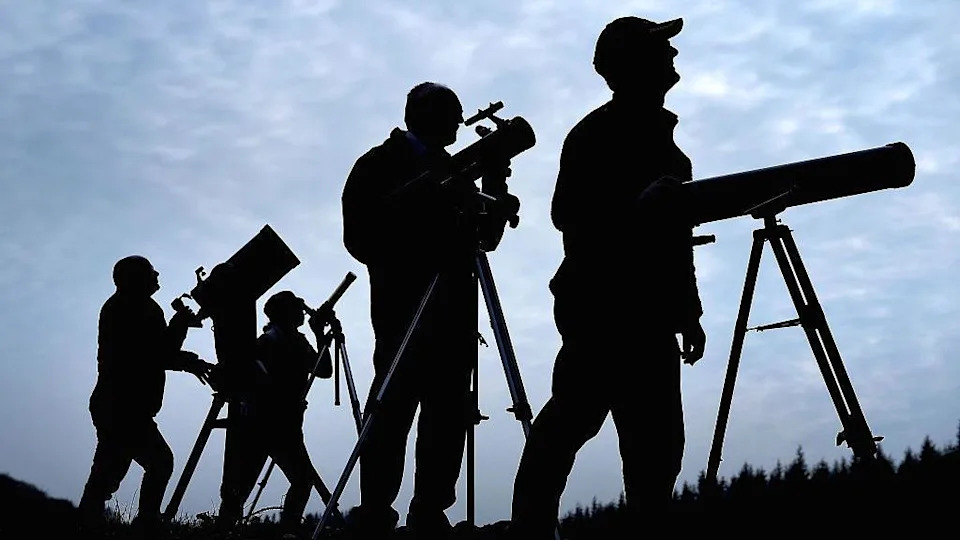
Members of the Galloway Forest Astronomical Society set up equipment ahead of the solar eclipse in 2015 [Getty Images]
When to Watch
Astronomers say the Moon will begin to move across the Sun between about 18:01 and 18:10 BST. The eclipse should reach its peak around an hour later, and the whole event will finish just before 20:00 BST. In many parts of Scotland the Sun will set at about 21:00 BST, so the eclipse will have ended well before sunset.
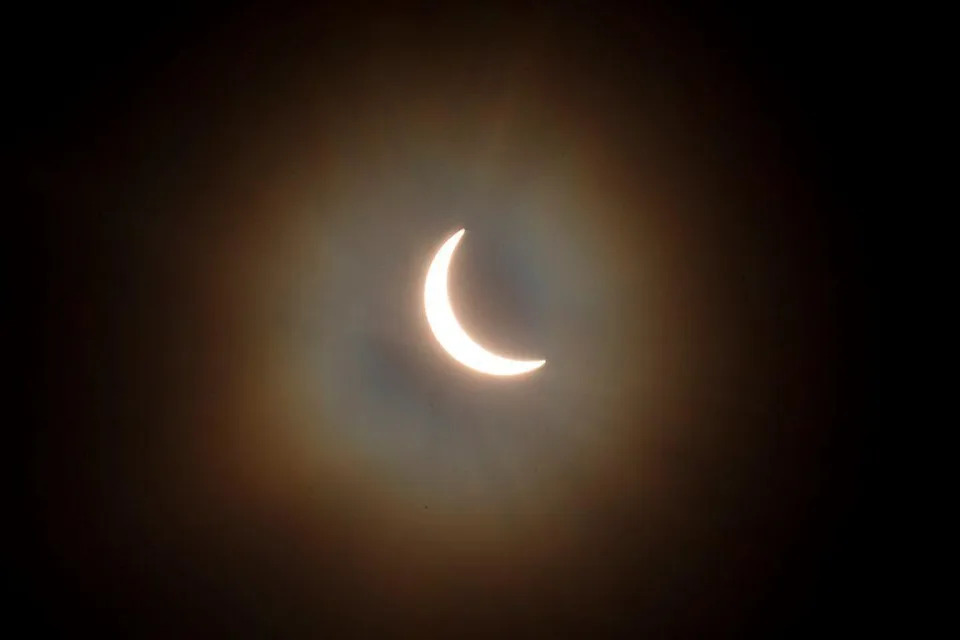
People in the north-east of Scotland also watched the partial solar eclipse in 2015 [Getty Images]
Best Places to View
The ideal vantage point is an elevated location with an unobstructed view to the west. Professor Catherine Heymans, Astronomer Royal for Scotland, notes that the Sun will generally sit higher above the horizon in Scotland than in England at the time of the eclipse, improving visibility across much of the country.
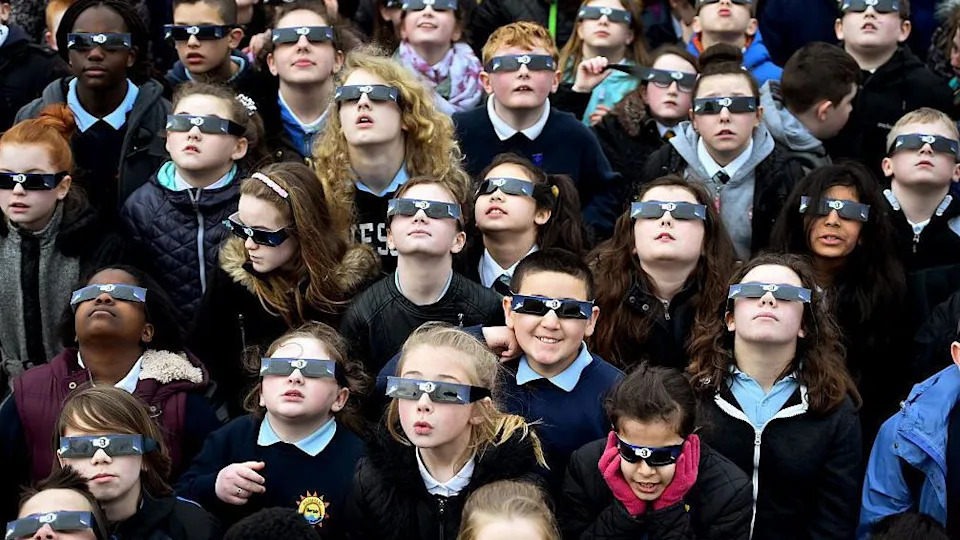
Eclipse glasses were given to pupils outside the Glasgow Science Centre in 2015 and can offer protection from the Sun [Getty Images]
Planned Community Events and Public Viewings
- Beirhope Farm, Hownam (Scottish Borders): Event from 17:30, with a talk and a new telescope introduction.
- Dirleton Solar Walk (East Lothian): Certified eclipse glasses available during a relaxed evening walk.
- Edinburgh Playfair Observatory, Calton Hill: Astronomical Society of Edinburgh members on hand to explain the eclipse.
- Red Burn Farm, Blantyre (South Lanarkshire): Family-friendly viewing from 18:00; eclipse glasses provided.
- Whitelee Windfarm Visitor Centre, Eaglesham: Space-themed activities and an adult workshop.
- Dark Space Planetarium, Kirkcudbright: Solar telescope set-up at the harbour if skies are clear.
- Westport Beach Car Park, Campbeltown: Local night-sky group and eclipse glasses available.
- Broughty Castle, Dundee: Mills Observatory special viewing; glasses for sale.
- Glen Tanar Visitor Centre, Aboyne: Booking required for guided viewing.
- Tomintoul Skyhide, Ballindalloch: Solar telescopes and eclipse glasses available.
- Masstowie Primary School, Elgin: Family-focused safe-viewing guidance and glasses.
- Jim Savage-Lowden Observatory, Culloden Moor: Stay afterward to watch the Perseids meteor shower.
- Midhowe Broch Car Park, Rousay (Orkney): Astronomers helping visitors view safely.
- Rum Bunkhouse, Isle of Rum: Solar telescopes at the campsite from 18:00.
Safety: How To Watch Without Harming Your Eyes
Never look directly at the Sun without proper eye protection. Certified eclipse glasses meeting ISO 12312-2 (or ISO 12312-2:2015) offer safe direct viewing; ordinary sunglasses do not. Legitimate glasses will display the ISO safety code. Even when the Sun is partly covered or behind cloud, solar radiation can damage the retina.
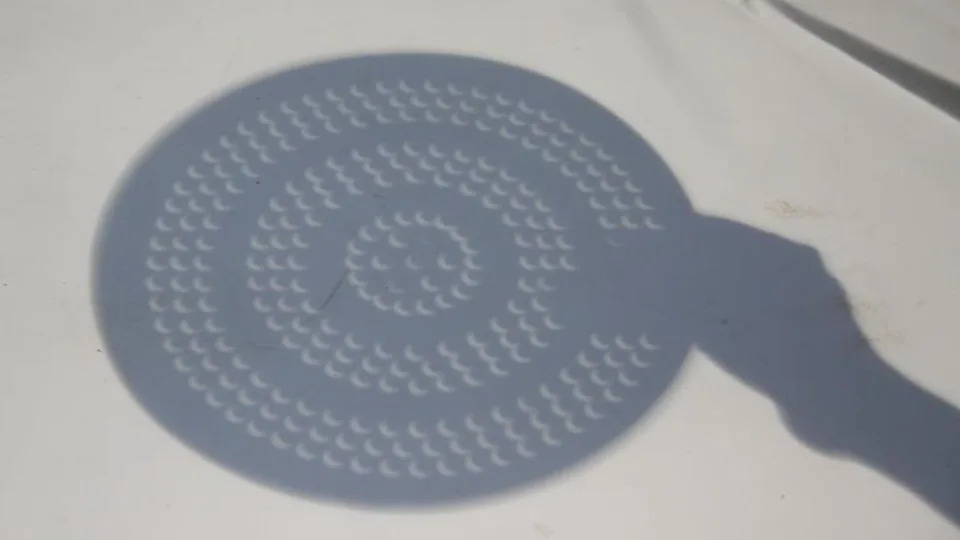
The holes in the colander project an indirect image of the Sun on a surface [Getty Images]
Alternative safe methods include using a solar telescope with a certified solar filter or making an indirect viewer such as a pinhole projector. A common household trick is to use a colander or other object with small holes to project multiple images of the eclipsed Sun onto a surface.
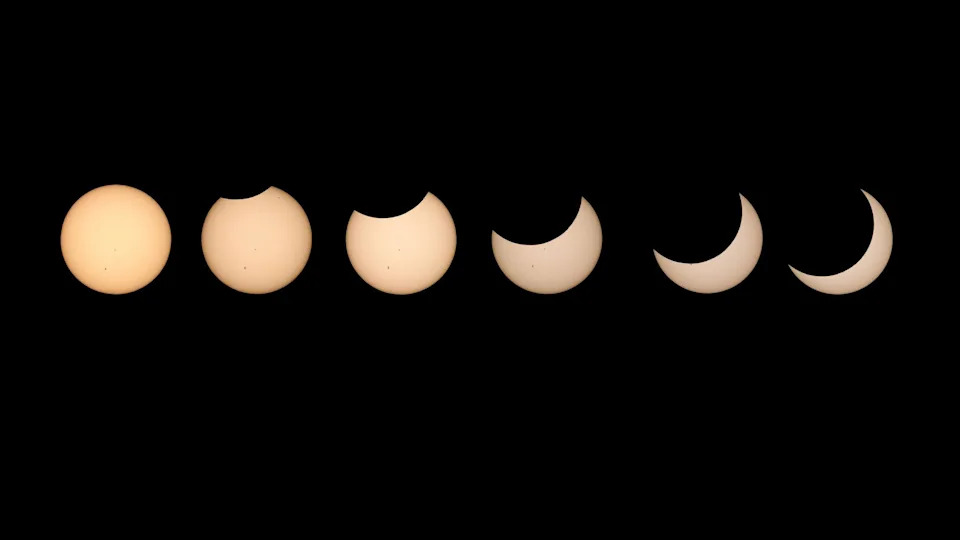
The progression of a solar eclipse [Getty Images]
Be cautious when photographing the eclipse: sunlight can damage camera and phone sensors. Use certified solar filters on camera lenses or cover lenses with appropriate eclipse film — regular filters and eclipse glasses on their own are not suitable for cameras unless designed for optical equipment.
Weather And Visibility
The Met Office warns that weather fronts grazing western Scotland could hamper views. In some southern and eastern areas you may see a slightly smaller fraction of the Sun covered but enjoy clearer skies. Check local cloud forecasts and plan to move to a clearer vantage point if possible.
Context And What To Expect
Parts of Spain and Portugal will witness a total solar eclipse on the same day; the UK lies just outside the path of totality. Scotland will, however, see up to 95% coverage — close to total but not complete. Expect a noticeable dimming and an eerie quality to the light at maximum coverage, but the sky will not go fully dark. The next total solar eclipse visible from the UK is not expected until 23 September 2090.
Key Safety Reminders: Use ISO 12312-2 certified eclipse glasses or indirect viewing methods; do not use regular sunglasses; supervise children; protect cameras with proper solar filters.
Help us improve.





















