
Prosecutors warned in an Aug. 10 filing that Luigi Mangione's supporters could intimidate jurors or witnesses if his state murder trial is televised or if an overflow room is provided. The Manhattan DA cautioned that broader access could enable "spectator misconduct," clandestine recordings and undue pressure on witnesses and jurors. New York's Office of Court Administration says it does not plan to provide an overflow room; the defense has asked for both overflow access and live broadcast. A hearing on the access requests is scheduled for Aug. 11 before Judge Gregory Carro.
Prosecutors Warn Mangione Supporters Could Intimidate Jurors; Oppose Live TV And Overflow Room
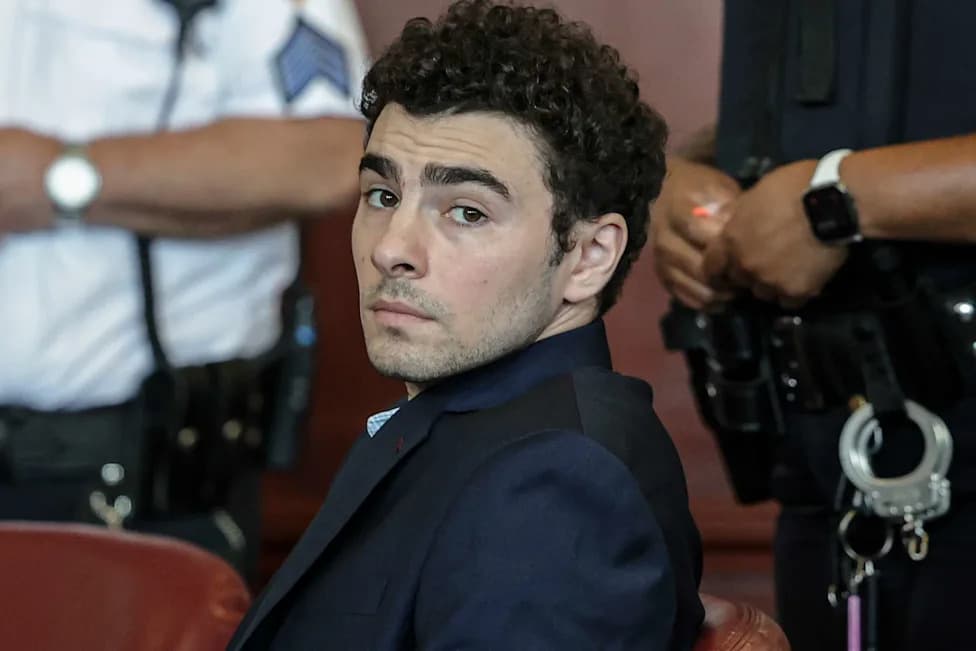
Luigi MangioneCredit: Jeenah Moon/Getty
Prosecutors warned a Manhattan judge that supporters of Luigi Mangione could attempt to intimidate jurors or witnesses if his state murder trial is opened to broader public viewing or televised. The caution appears in an Aug. 10 filing from Prosecutor Joel Seidemann of the Manhattan District Attorney's Office, which is opposing a defense request for live television coverage and an overflow courtroom to accommodate additional spectators and journalists.
Prosecutors Cite Risk Of "Spectator Misconduct"
The DA's filing does not litigate every proposed rule on courtroom access, but it explicitly warns that an overflow room could enable "spectator misconduct" and place "extraordinary pressure on witnesses and potential jurors alike." Prosecutors argue that wider access would make it easier for supporters to interfere with jury deliberations, intimidate witnesses, or clandestinely record proceedings and distribute those recordings.
"As we have detailed in other filings, the media attention surrounding this case — and the efforts of some of the defendant's supporters both to intimidate witnesses and to interfere with the functioning of the jury — will place extraordinary pressure on witnesses and potential jurors alike," the Aug. 10 letter states.
Court Administration, Defense And Background
New York's Office of Court Administration (OCA) has indicated in its media access plan that it does not intend to provide an overflow room despite intense public interest. In a July 31 letter, Mangione's lawyers objected to what they said was an effort by OCA to limit coverage to a select group of journalists, renewing their request for both an overflow courtroom and a live televised feed.
The Manhattan DA's office cited New York law that generally bans cameras from most state criminal trials because of the potential prejudicial impact of pretrial publicity on jurors, possible effects on witness truthfulness, additional burdens on judges and potential impacts on defendants' rights.
Expert Reaction
Gary Galperin, an adjunct professor at Cardozo School of Law and a former longtime assistant district attorney in New York County, told PEOPLE that prosecutors in past high-profile matters—such as organized-crime cases—have warned about people connected to defendants trying to influence jurors. He said it is "very, very unusual" for prosecutors to make a formal publicized concern focused on supporters rather than on associates or family members of a defendant.
Case Details And Next Steps
Luigi Mangione, 28, has pleaded not guilty to charges that he fatally shot UnitedHealthcare CEO Brian Thompson on a Midtown Manhattan street in the early morning hours of Dec. 4, 2024. Authorities say police found Mangione five days later in Pennsylvania with a notebook containing a manifesto attacking the health-care industry and expressing a desire to "wack" a health-care CEO.
Mangione's pretrial hearings have drawn an unusually large and vocal public following, with supporters regularly filling the spectator section. In addition to the state case, Mangione faces separate federal charges; his federal trial has been delayed until 2027.
The access dispute is scheduled for argument on Tuesday, Aug. 11, in New York State Supreme Court before Judge Gregory Carro. The court will decide whether to allow broader public viewing, live broadcast, or limit access in order to protect jurors, witnesses and the integrity of the proceedings.
Help us improve.





















