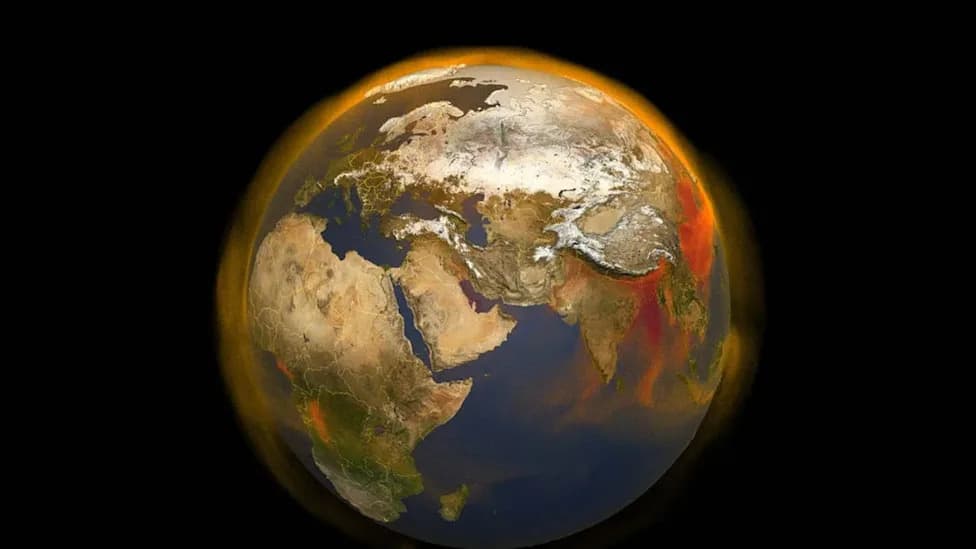
The U.N. report, presented by Secretary-General António Guterres, finds fossil fuel operations provide the fastest, most affordable route to cut methane, even though agriculture contributes a slightly larger share (42% vs. 38% from fossil fuels). Proven measures—leak detection, equipment replacement, gas capture and tighter coal-mine controls—are ready to deploy. Improved satellites and the U.N.'s alert system revealed thousands of large leaks, but only ~12% saw a documented response in 2025; the U.N. wants that rate at 80% by 2030.
U.N. Says Fossil Fuels Offer Fastest, Cheapest Path To Cut Methane — New Report
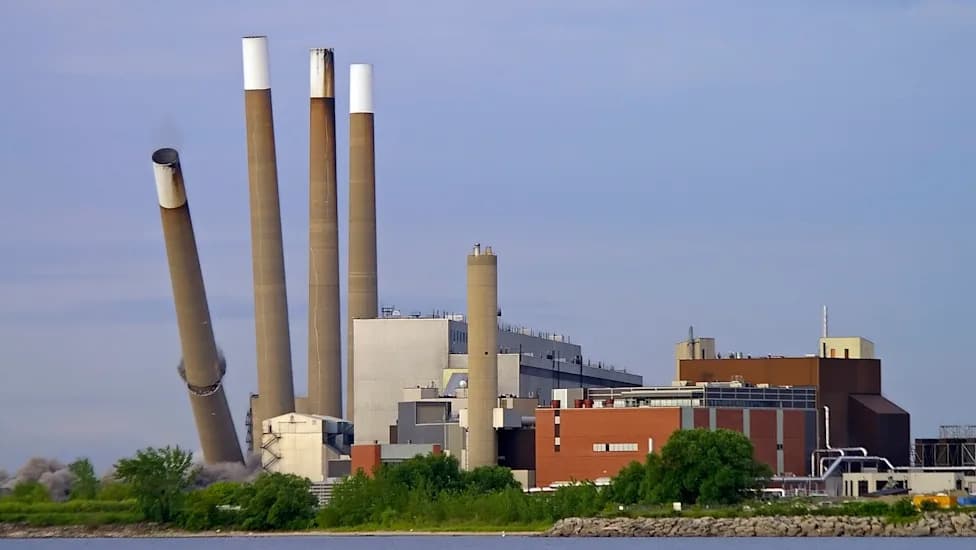
Photo Credit: iStock
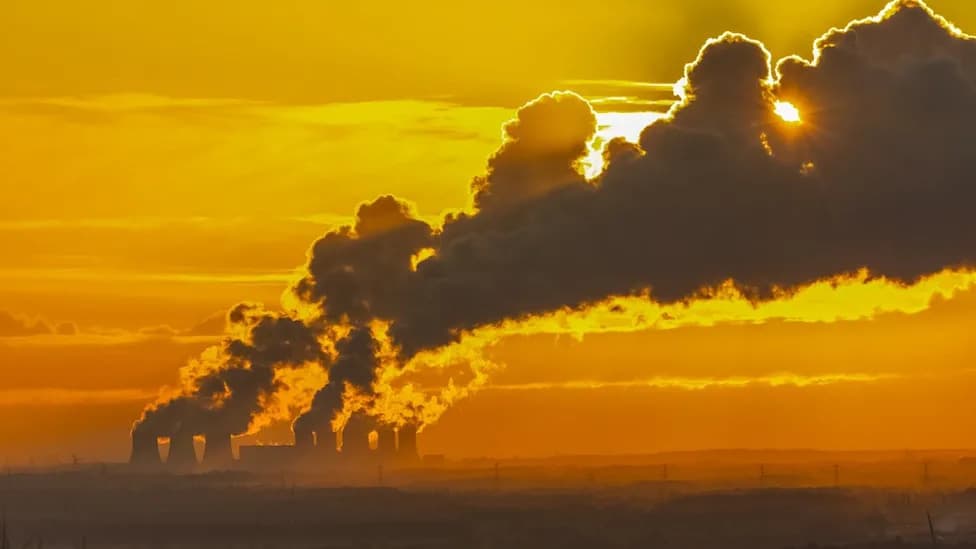
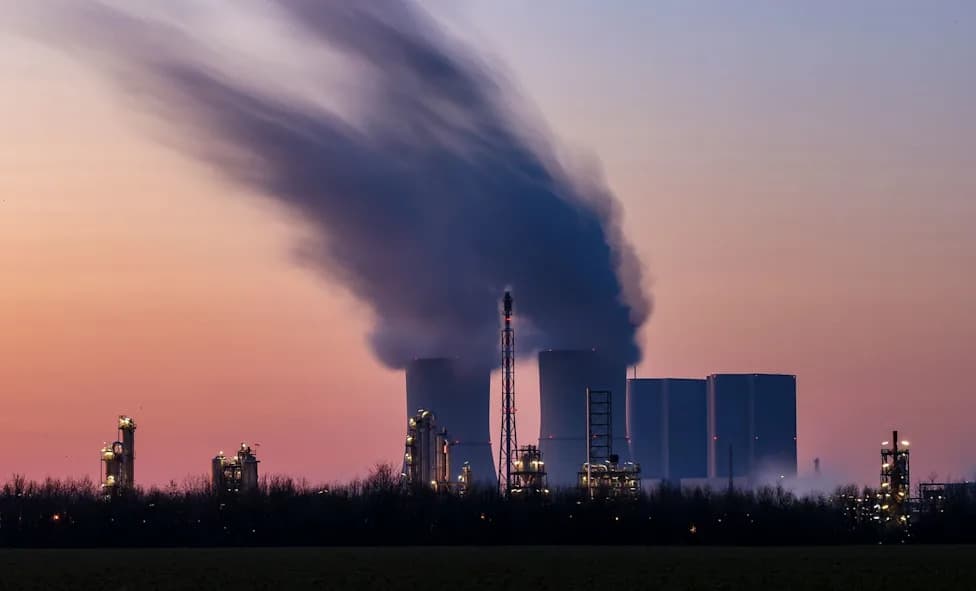
The United Nations is stepping up pressure on oil, gas and coal operators to slash methane — a short-lived but extremely potent greenhouse gas. A new U.N. report, presented by Secretary-General António Guterres and summarized by Environment+Energy Leader, finds fossil fuel operations offer the fastest, most cost-effective opportunity for large methane reductions despite agriculture accounting for a slightly larger share of emissions.
Sector Breakdown And Why Fossil Fuels Matter
The report estimates that about 42% of human-caused methane comes from agriculture, 38% from fossil fuels, and 20% from waste. While agriculture is the single largest source, the fossil-fuel sector stands out because many solutions are already proven, affordable and deployable now.
Proven Fixes Ready To Deploy
Recommended, readily available measures include:
- Using infrared cameras and remote sensors to rapidly detect leaks;
- Replacing or retrofitting high-emitting equipment;
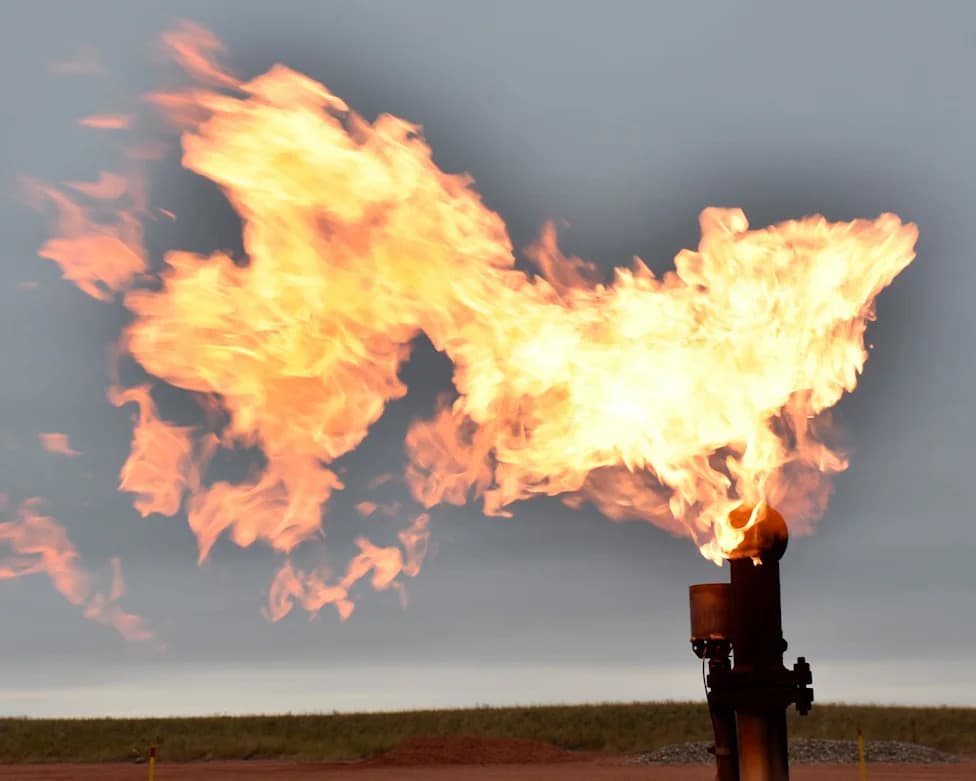
- Capturing gas that would otherwise be vented or flared;
- Strengthening methane controls at coal mines.
To put wasted gas into perspective: in 2024 about 5.3 trillion cubic feet of natural gas were flared worldwide — roughly equal to the African continent’s annual gas consumption.
Why Cutting Methane Helps Quickly
Methane traps heat far more effectively than carbon dioxide over the short term, so reducing methane emissions can slow near-term warming more rapidly than many other climate interventions. Many fossil-fuel methane losses are also technically avoidable and often inexpensive to fix.
Health, Local Impacts And Politics
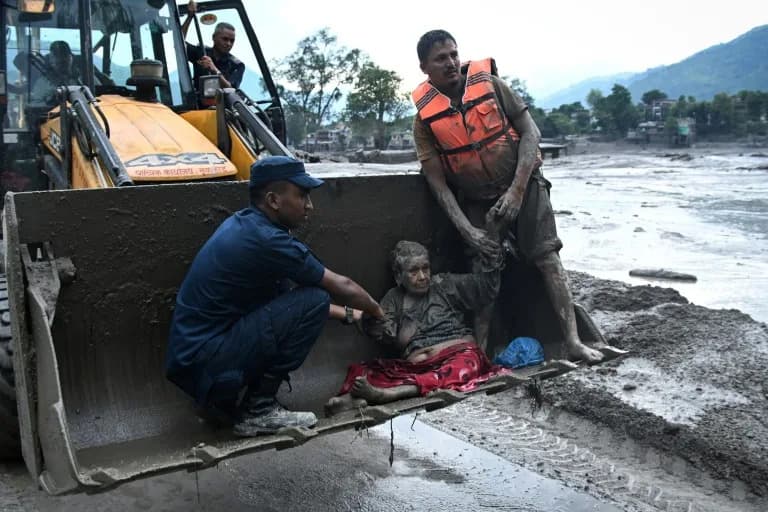
The report stresses that fossil-fuel operations also drive local harm: extraction, production and combustion worsen air and water pollution linked to asthma, heart disease, cancer and premature death, and amplify the social and economic damage from extreme weather. Meanwhile, industry lobbying can slow the shift to cleaner, cheaper energy that would better protect families and lower bills.
Improved Monitoring And Calls For Accountability
Accountability is changing as monitoring improves. New satellite systems and the U.N.’s Methane Alert and Response System (MARS) now detect major releases within days. By February 2026, MARS had issued more than 5,000 alerts across 33 countries, but only about 12% of alerts had a documented response in 2025. Secretary-General Guterres is urging an ambitious target: at least an 80% documented response rate by 2030, which would require systematic leak detection and repair.
Stronger Measurement, Disclosure And Market Effects
The report calls for stricter methane measurement and disclosure: asset-level monitoring, third-party verification and a globally recognized methane-intensity benchmark. Such transparency could increasingly affect financing, procurement and access to global markets, incentivizing lower-emitting producers.
Norway As An Example
Norway is highlighted as an exemplar: routine flaring was banned in 1971; a methane and carbon tax on petroleum production was introduced in 1991 and strengthened in 2017. Norway is now among the lowest-methane-intensity producers; if other producers matched that performance, sector methane emissions could fall by more than 90%.
Bottom line: Cutting methane in the fossil-fuel sector represents a fast, affordable climate win — one that can deliver quick climate benefits, improve public health, and reshape market incentives if monitoring and accountability are strengthened.
Help us improve.