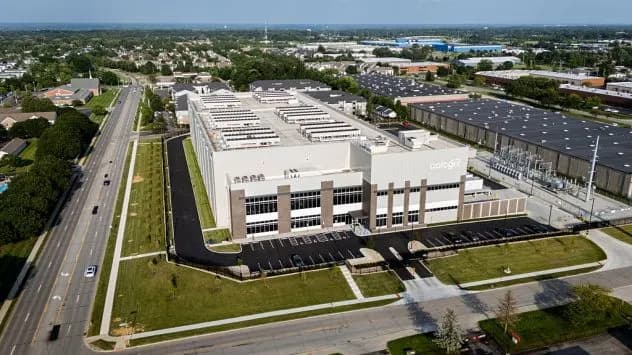
SpaceX will power its planned Terafab chip plant in Grimes County, Texas, using on-site methane generators paired with very large battery arrays rather than relying on terrestrial solar. Riley Trettel said the facility will "bring our own power," a choice that echoes broader AI and semiconductor industry trends favoring gas-fired generation for steady electricity. Critics warn this approach can lock in pollution and higher costs, while analysts argue that solar, wind and storage with grid upgrades are cheaper and cleaner long-term alternatives.
SpaceX’s Terafab to ‘Bring Its Own Power’: Onsite Methane Generators Paired With Massive Batteries
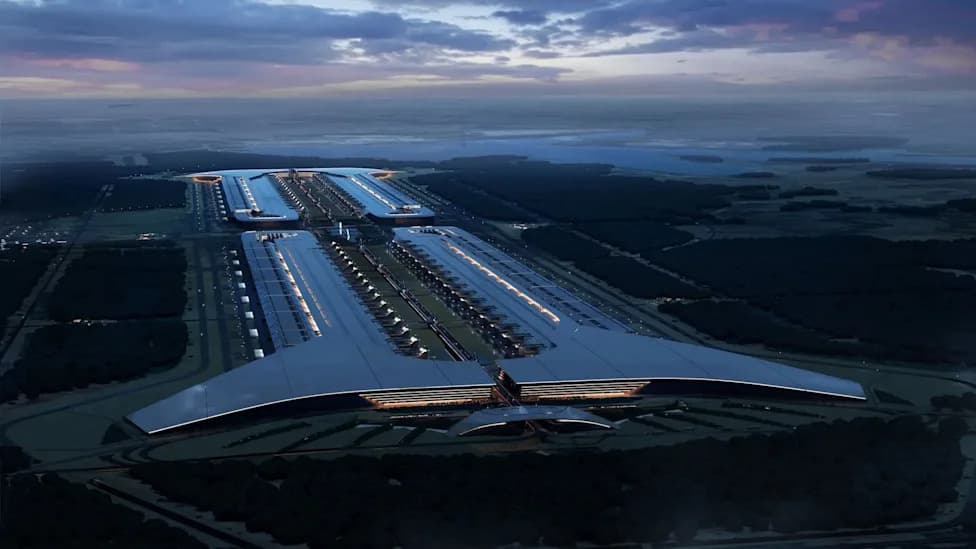
Photo Credit: SpaceX
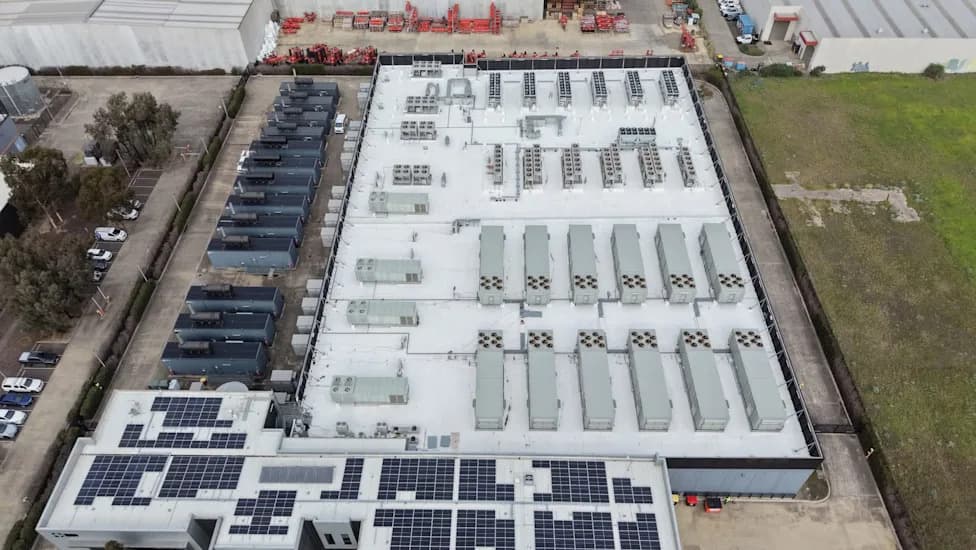
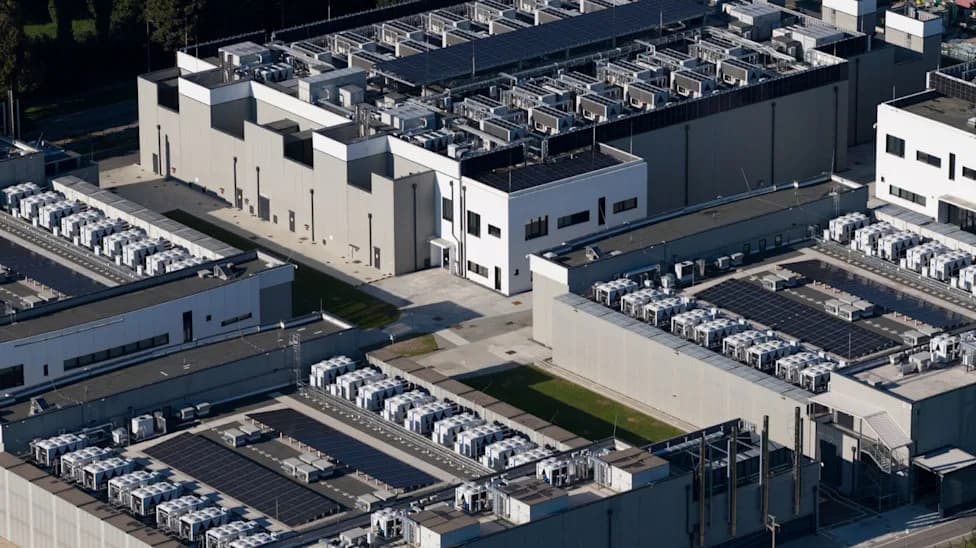
SpaceX plans to power its new Terafab semiconductor plant in Grimes County, Texas, by combining on-site methane-fired generators with very large battery arrays — a notable choice for a project linked to Tesla and its clean-energy business.
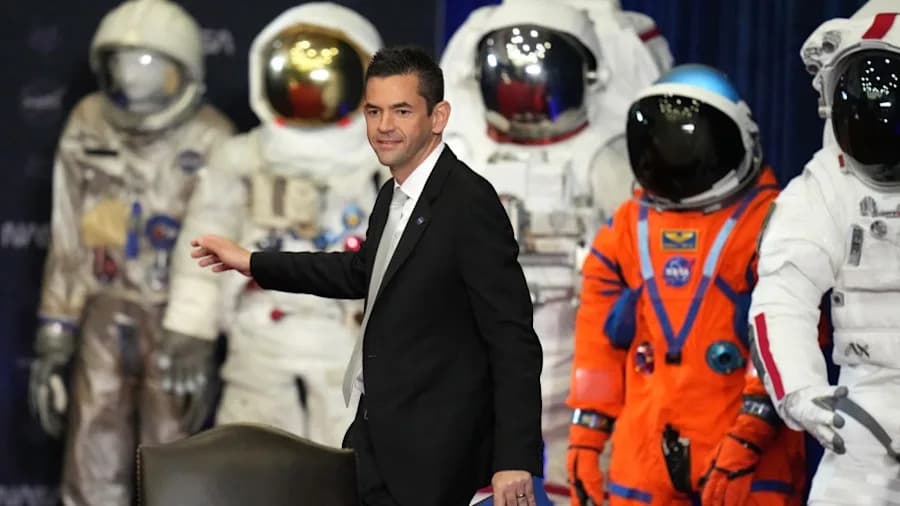
Terafab is intended to produce chips for data centers operated by SpaceX and xAI, TechCrunch reports. At a public meeting, Riley Trettel, who oversees SpaceX's energy and data center operations, said the facility would "bring our own power" by generating electricity on-site with methane gas and storing energy in large-scale batteries.
Why This Matters
Semiconductor fabrication plants and AI data centers require continuous, high-volume power. The energy strategy behind a single facility can affect local pollution, operating costs, and regional grid planning for years. When major companies choose on-site gas generation, it can reinforce fossil-fuel reliance as the default response to growing industrial demand.
Fossil Fuel Choice Despite Clean-Energy Links
Although Tesla reportedly holds a stake in the venture and is a leading developer of solar and battery systems, TechCrunch notes that terrestrial solar was not mentioned in SpaceX’s presentation about Terafab. The decision mirrors a broader trend in some fast-growing AI and semiconductor projects that turn to burning fossil fuels for steady, uninterrupted power. TechCrunch also reported that xAI’s data centers in Memphis depend heavily on methane gas and that SpaceX expects to spend about $2.8 billion on gas turbines by 2029.
Environmental and Community Concerns
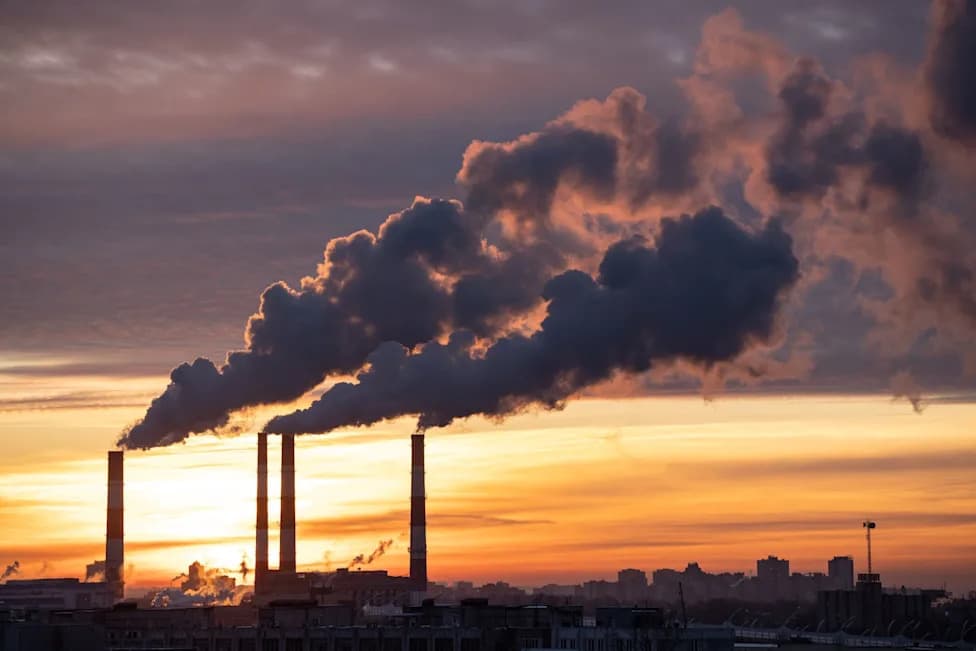
Coal and methane-fired power plants emit pollutants linked to respiratory and cardiovascular disease, certain cancers, and premature death. Critics warn that building on-site gas plants can lock in pollution and volatile fuel costs, potentially raising household energy bills when utilities pass along higher system costs associated with industrial growth.
“Batteries can help smooth demand peaks, but they do not eliminate pollution if charging comes primarily from gas-fired generation,” said observers familiar with grid and energy policy.
Alternatives and Local Options
Analysts point out that combinations of solar, wind, and battery storage — supported by grid upgrades and expanded transmission — are often lower-cost over time and produce fewer emissions. Local measures such as community solar projects, rooftop panels where affordable, energy-efficiency upgrades, and utility demand-shifting programs can reduce reliance on gas-fired power.
Legal And Political Context
SpaceX emphasizes the role of very large battery storage at Terafab, but xAI has already faced litigation over gas turbines powering its Memphis data centers, highlighting legal and community tensions around fossil-fuel-led solutions for high-demand facilities.
Bottom line: Terafab’s plan to "bring our own power" with methane generators plus massive batteries highlights the trade-offs facing rapidly expanding tech infrastructure: immediate reliability and control versus long-term costs, emissions, and the opportunity to accelerate cleaner alternatives.
Help us improve.