President José Antonio Kast signed a constitutional reform bill to launch a 30+ bill agenda aimed at organized crime, including a deployable state-of-emergency, a registry of criminal organizations, high-security prisons and expanded asset-seizure powers. Experts say the package could deliver short- and medium-term gains — fewer homicides, regained territorial control and targeted dismantling of groups — but caution that reversing organized crime structurally requires sustained policy, measurable goals and international cooperation. Critics also note the plan mixes immigration and public-security measures with targeted anti-crime actions and lacks clear outcome metrics.
Chile Unveils Sweeping Anti-Organized Crime Agenda Backed by Constitutional Reform

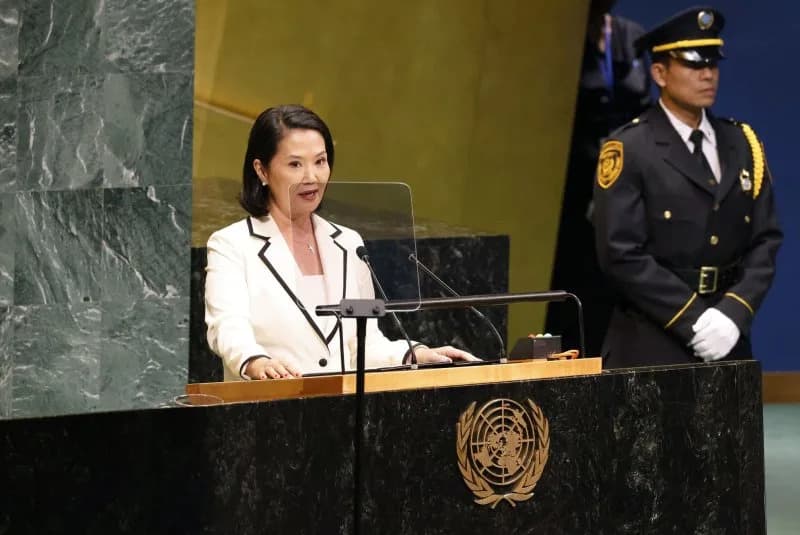
Chilean President Jose Antonio Kast's agenda includes more than 30 bills aimed at strengthening efforts to combat criminal organizations. Photo by Adrian Thomasa/EPA
Chilean President José Antonio Kast signed a constitutional reform bill on Monday that establishes the legal foundation for a broad, government-backed agenda to fight organized crime. The package comprises more than 30 bills designed to give authorities clearer and stronger tools to confront increasingly sophisticated criminal networks.
What the Package Proposes
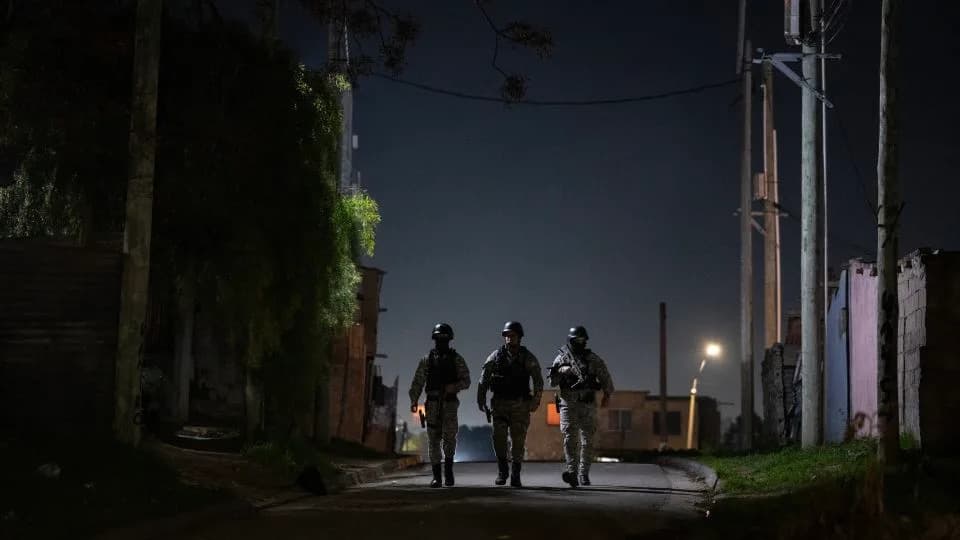
Key elements of the plan include a new state-of-emergency provision to permit deployment of the armed forces, an official registry of criminal organizations, and separate high-security prisons for criminal leaders. Other measures aim to streamline seizure of illicit assets, extend detention for people caught in flagrante delicto (caught in the act) to 24 hours, and raise penalties for serious offenses.
Experts Weigh In
Former prosecutor Luis Toledo, director of the Center for Studies on Security and Organized Crime at San Sebastián University, urged realistic expectations about what these measures can achieve.
"In the short and medium term, it is entirely possible to reduce homicides, regain control of certain territories, improve prison control and dismantle specific organizations, but structurally reversing the penetration of organized crime is another matter," Toledo told UPI.
Toledo warned that Chile faces not only gangs but also broader illicit markets sustained by demand, financing, money-laundering schemes, recruitment networks and international links. He said criminal networks adapt quickly: when one structure is disrupted, smaller cells often emerge with new leadership, routes or financial mechanisms.
Toledo identified the measures with greatest potential as those targeting criminal assets — seizing property and blocking the reinvestment of illicit profits — and emphasized that transnational organized crime requires international cooperation as part of any effective response.
Alfonso Kaiser, a risk management expert and professor at the University of the Andes, criticized the plan for lacking concrete, measurable objectives. "A plan is being presented that does not have clear objectives. We don't know how we are going to measure them or how much we want to achieve," he said, urging a more technical approach with well-defined goals and timelines.
Kaiser also recommended prioritizing border controls and strengthening the authority of Carabineros (Chile's national police) and the Maritime Police to deter illegal entry, while warning that many of Chile's challenges stem from internal institutional weaknesses rather than an exceptionally sophisticated adversary.
Bottom Line
The government's legislative push is broad and ambitious: it could yield short- and medium-term security gains but faces limits if not paired with sustained state policy, clear performance metrics and international cooperation. Observers say the most promising elements focus on stripping criminal organizations of money, territory, command capability and impunity — but achieving structural change will be a long-term effort.
Help us improve.