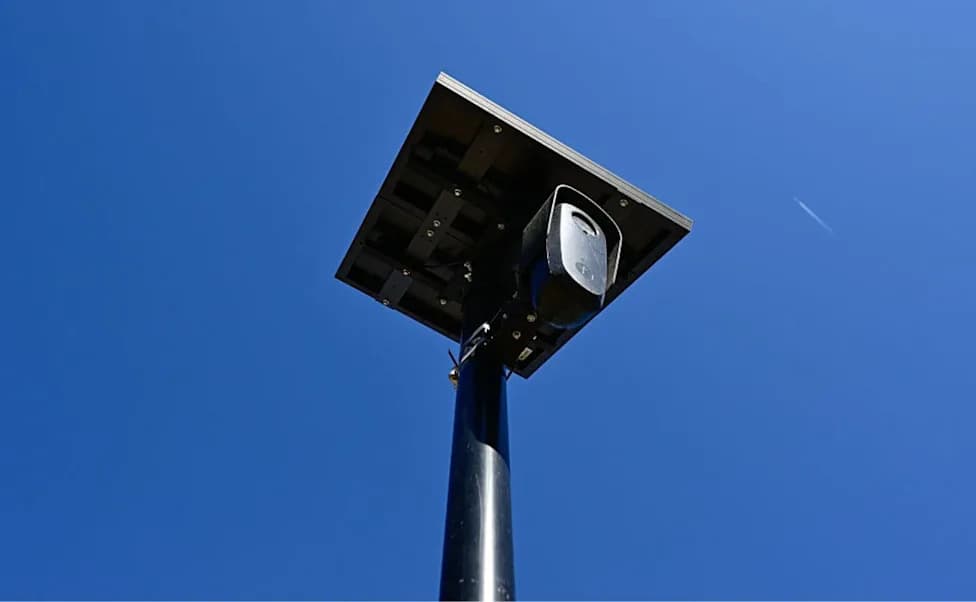
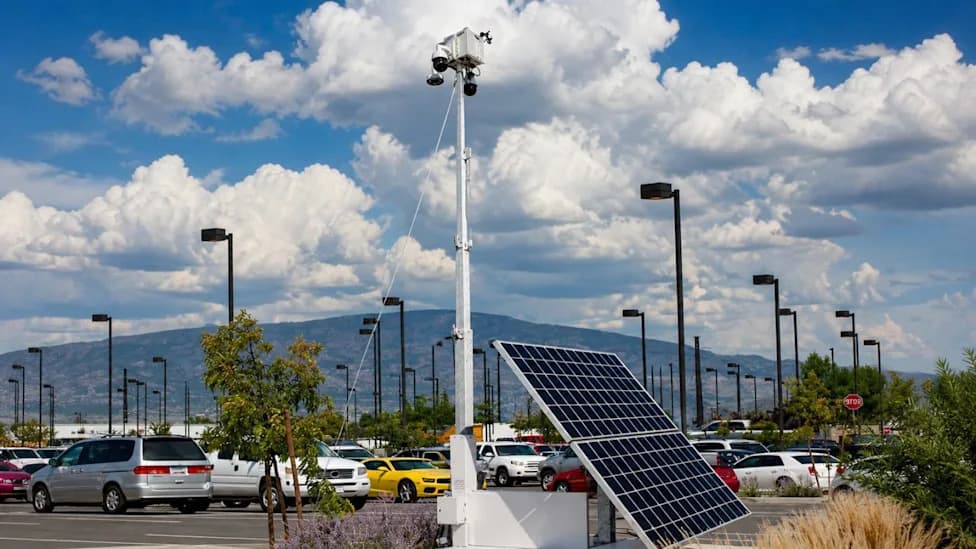
Badlands and Toad Hall in San Francisco's Castro District have paused use of Patronscan AI-assisted face-scanning kiosks amid privacy concerns. The move follows reporting that similar systems are used at The Mix, whose managers say the technology reduced fights and theft. Critics point to past reporting that Patronscan tracked consumer data and warn that databases of LGBTQ+ patrons could be misused. Patronscan maintains it does not perform facial recognition in North America and that data is retained for about 21 days.
San Francisco Gay Bars Pause AI Face-Scanning Kiosks Amid Privacy Backlash
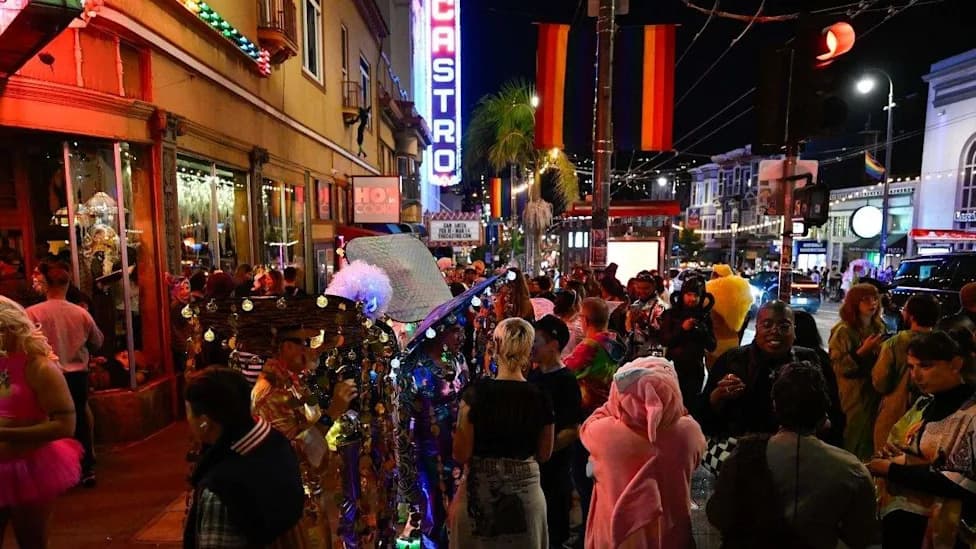
the castro district in san francisco
Two longtime Castro District venues have temporarily halted the use of AI-assisted face-scanning kiosks after patrons and privacy advocates raised alarm about how images and data were being collected and stored.
Badlands and Toad Hall announced they were pausing the use of Patronscan kiosks while they review their ID verification and security practices, the San Francisco Chronicle reported.
'Effective immediately, we are pausing the use of Patronscan while we review our ID verification and security practices,' Brian Aranda, director of operations for both bars, told the newspaper. 'Our security teams will continue to thoroughly check IDs manually during this time. We appreciate everyone who has shared their concerns and remain committed to providing a safe and welcoming environment for all.'
The system, which was installed earlier this year, is designed to flag fake IDs and identify individuals previously linked to violence at venues. Signs alerted patrons that the technology was in use, but many people told local reporters they only learned their images could be captured and stored when they stood in front of the kiosks.
Reporting by the San Francisco Gazetteer also found similar AI-assisted recognition software in use at another Castro venue, The Mix. Managers there have defended the technology; a general manager told a Bay Area NBC affiliate that it 'keeps my customers safe. We've had no bar fights, vandalism and theft is down.' The Mix has not announced any change to its use of the system.
Privacy advocates have long questioned Patronscan's practices. A OneZero investigation in 2019 documented how the system, while marketed as a security product, could be used to collect and track consumer data at venues that adopted it.
Concerns take on heightened urgency when the surveillance affects LGBTQ+ spaces. Critics warned that databases of patrons could be accessed by hostile actors or government requests; reporting noted this debate comes after the Justice Department during the Trump administration sought certain patient records related to transgender people, amplifying fears about sensitive data exposure.
'It's really not a safe time to start making databases of queer people that could be accessed by the Trump administration, by a private company, by a bad actor,' Evan Greer, digital director of Fight for the Future, told the NBC outlet.
California lawmakers have launched inquiries into Patronscan's business model and whether it complies with state privacy laws, according to the Electronic Frontier Foundation.
On its FAQ page, Patronscan says it does not perform facial recognition in North America or conduct automated analysis of ID or live-photo images, and that data is retained for a limited time — about 21 days in the U.S. — primarily to assist law enforcement investigations. The company also states that it does not sell data to third parties and asserts the systems used in San Francisco comply with California law, which it says allows kiosks to prevent underage drinking and detect fake identification.
The pause by Badlands and Toad Hall is framed as a temporary measure while the bars reassess procedures; they say manual ID checks will continue during the review.
Help us improve.