The Ulom Women’s Conservation Collective, founded in 2023 by 42‑year‑old Mary Ofre, is a self‑funded, all‑female patrol protecting the 39‑square‑mile Afi Mountain Wildlife Sanctuary in Cross River State, Nigeria. The group conducts regular and surprise patrols, enforces equal penalties (including a 500,000‑naira fine for river pollution), and rehabilitates waterways. Their actions have reduced pollution, encouraged forest regeneration and helped wildlife return, inspiring more than half of the 16 neighboring communities to form similar groups. Despite scarce funding and equipment, their community‑led approach offers a replicable model for conservation across the region.
How an All‑Female Patrol Is Saving Nigeria’s Afi Mountain Rainforest

Young African woman in profile without make up with beans necklace and bare back in tropical jungle or forest on background of big green palm leaves at daytime. Cultures, traditions and travel concept© Pavel Gulea/Shutterstock.com
Deep in southeastern Nigeria’s Cross River State, the 39‑square‑mile (100 km²) Afi Mountain Wildlife Sanctuary shelters one of the country’s last rainforests and a refuge for rare wildlife — from Nigeria‑Cameroon chimpanzees and critically endangered Cross River gorillas to drills and blue duikers. Its surrounding grasslands also host one of Africa’s largest seasonal roosts for European barn swallows.
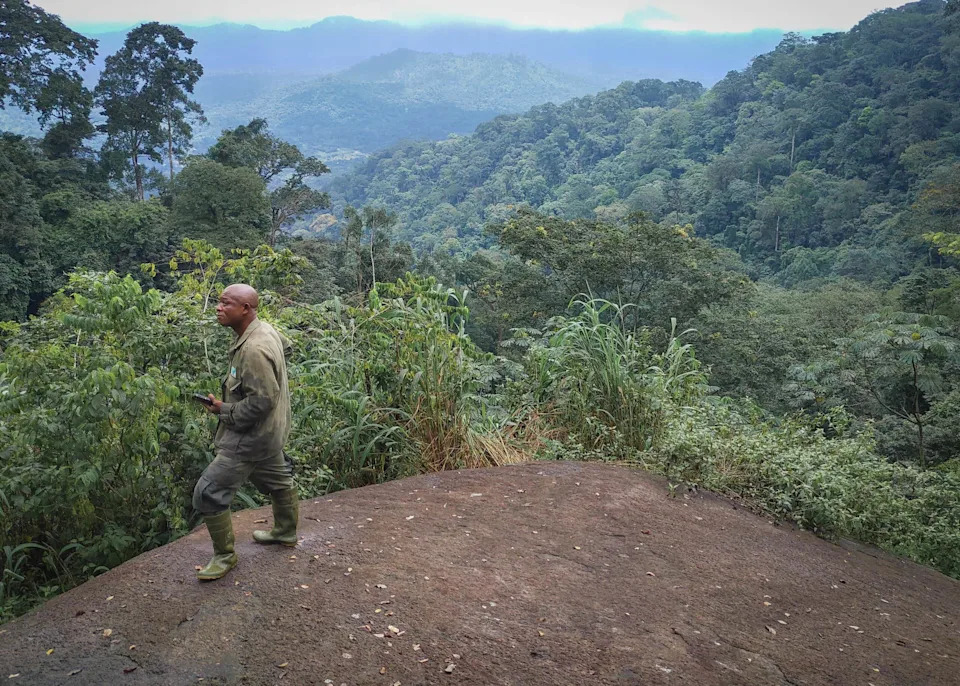
Afi Mountain Wildlife Sanctuary was established in 2000.© Dotun55, CC BY-SA 4.0, via Wikimedia Commons –Original/License
Despite formal protection since 2000, Afi has suffered years of relentless pressure: illegal logging, river poisoning, widespread snaring and hunting, expanding farms, and seasonal fires — all compounded by weak enforcement and corrupt deals with outside interests.
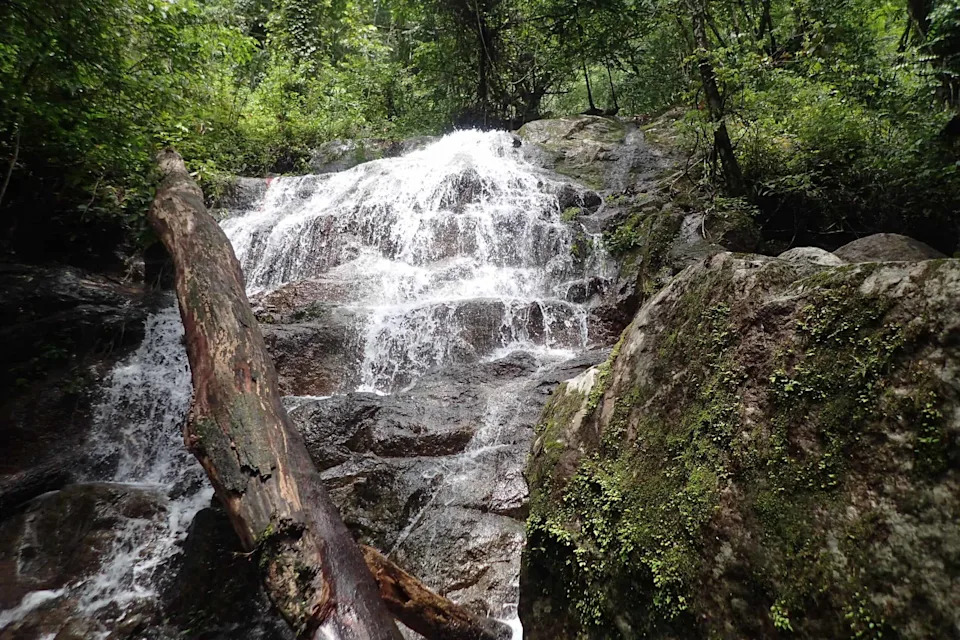
Afi Mountain Wildlife Sanctuary is located in Southern Nigeria's Cross River State in the Boki Local Government Area.©Charles Emogor, CC BY-SA 4.0, via Wikimedia Commons –Original/License
In 2023, frustrated by stalled, male‑dominated leadership and failing law enforcement, women from the village of Ulom took action. Led by 42‑year‑old Mary Ofre, they founded the Ulom Women’s Conservation Collective, a self‑funded, female‑led patrol that confronts environmental crime and restores damaged waterways and habitats.

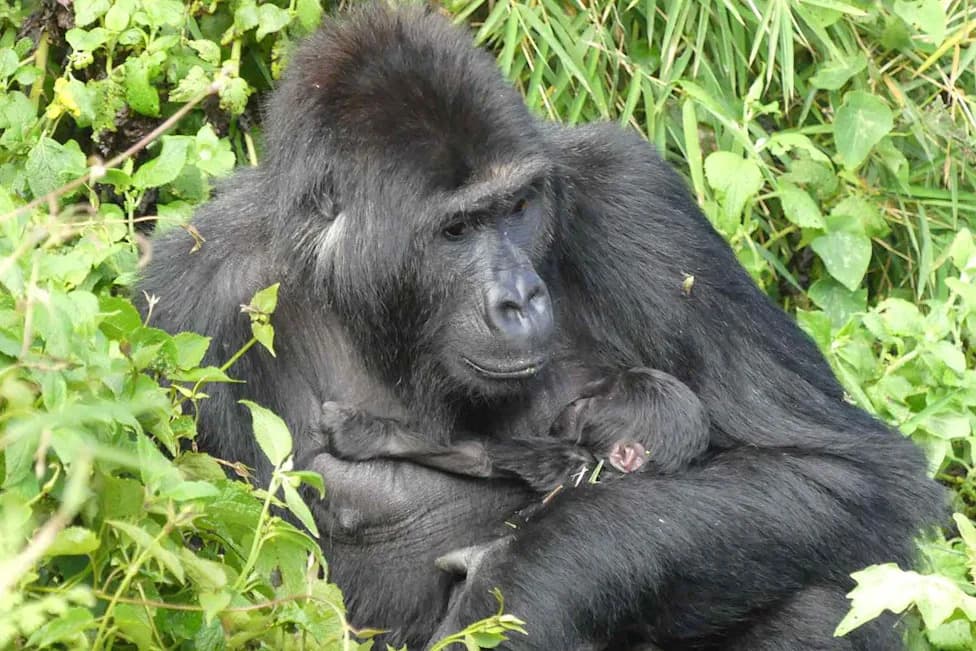
Cross River gorillas are critically endangered and one of the rarest gorillas in the world.©Kit Korzun/Shutterstock.com
How The Collective Operates
The group combines regular patrols with direct, nonviolent enforcement and community outreach. Members meet twice monthly to plan operations and carry out scheduled and surprise off‑hour inspections to detect chainsaws, gunfire, smoke or other signs of illegal activity. They coordinate when needed with village elders, state forestry officers, local task forces and conservation NGOs.

Nigeria-Cameroon chimpanzees are only found in a few fragmented forests.©Martin Pelanek/Shutterstock.com
Penalties are applied equally regardless of social ties: offenders face heavy fines, confiscation of equipment, or in extreme cases community exile. To deter river poisoning, the collective imposed a 500,000‑naira (≈$356) fine and rehabilitates waterways by building temporary dams and draining contaminated pools.

Blue duikers are a tiny antelope species that weigh less than 20 pounds.©Roger de la Harpe/Shutterstock.com
Tactics And Cultural Leverage
When formal channels falter, the women use social pressure and nonviolent disruption: they set up roadblocks to stop illicit timber leaving the area, publicly expose secret logging deals, and — in one powerful cultural move — threatened nude protest against non‑compliant leaders, a tactic that helped force officials to cancel harmful agreements.
Results And Regional Impact
Their efforts are producing measurable gains: incidents of river poisoning have fallen sharply, degraded forest patches are beginning to regenerate naturally, and signs of wildlife — nesting sites, fresh tracks and the calls of Nigeria‑Cameroon chimpanzees — are reappearing. The collective’s outreach has reduced demand for endangered bushmeat and steered youth away from poaching and illegal logging.
What began in Ulom is spreading: more than half of the 16 communities surrounding Afi are forming their own women’s conservation groups. Leaders from Ulom, Buanchor and Katabang now mentor neighboring villages, sharing patrol techniques and organizing strategies that have already helped halt logging elsewhere.
Challenges Ahead
Operating without external funding, members often lack basic gear — boots, GPS units, protective clothing and reliable transport — and some face domestic opposition that forces them to step back. Despite these hardships, the collective remains committed to protecting the sanctuary for future generations.
Community‑led conservation works: The Ulom Women’s Conservation Collective demonstrates how sustained local action, social pressure and nonviolent enforcement can restore habitats and rebuild stewardship where formal enforcement fails.
Their model offers a practical blueprint for community‑led conservation across West Africa: when women are empowered to defend their homeland, forests can recover, endangered species can return, and communities can transform into long‑term guardians of their natural heritage.
Help us improve.