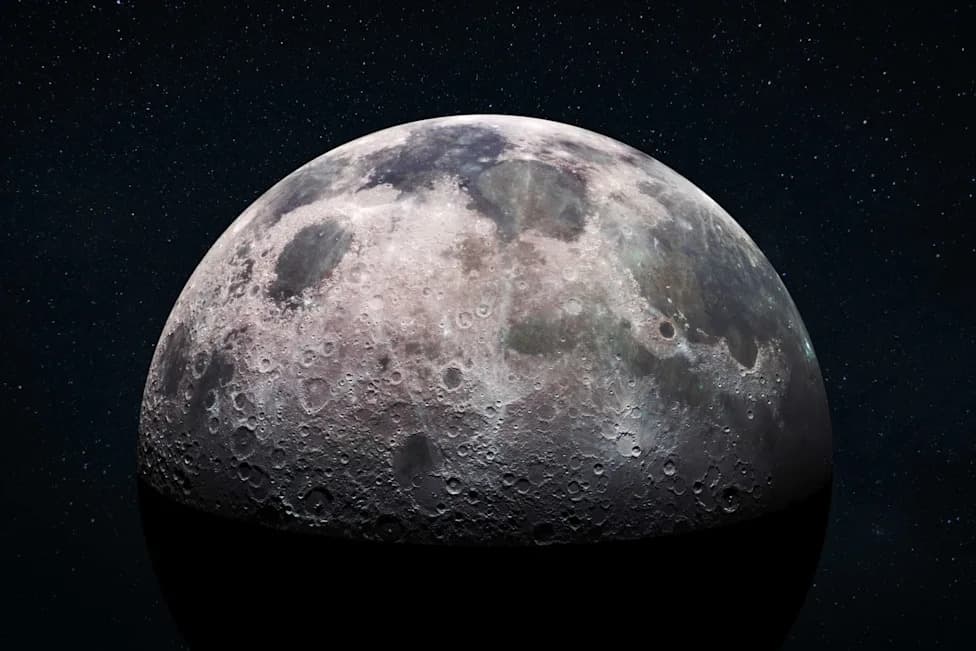
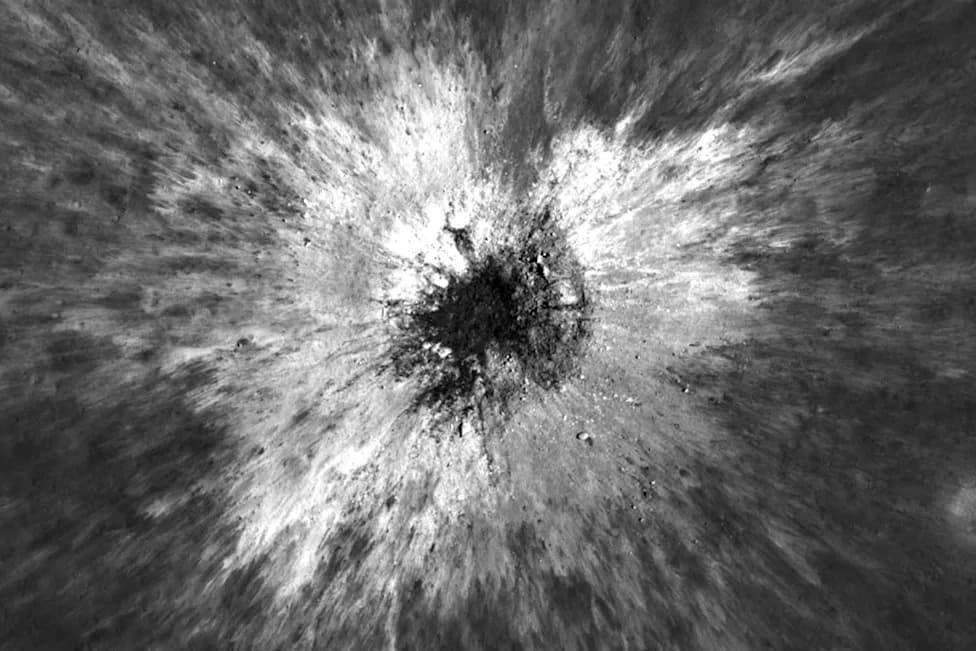
A discarded SpaceX Falcon 9 upper stage struck the Moon on August 5, 2025, creating an estimated 65–90 ft (20–27 m) crater near Einstein Crater after drifting since January 2025 launches. The stage carried no payload and had earlier supported Firefly's Blue Ghost and ispace's RESILIENCE missions. NASA says there is no danger to Earth and will image the fresh impact site with the Lunar Reconnaissance Orbiter. Scientists call this a rare opportunity to study how artificial impacts form craters and disturb lunar soil.
Discarded Falcon 9 Upper Stage Slams Into Moon, Carving New Crater Near Einstein

Photo by Daniel Yovkov / Hans Lucas / AFP via Getty Images
A discarded SpaceX Falcon 9 upper stage struck the Moon on the morning of August 5, 2025, creating a fresh crater near the large Einstein Crater on the lunar far western edge. Scientists had tracked the rocket stage for months after it was left drifting in space following two commercial lunar launches in January 2025.
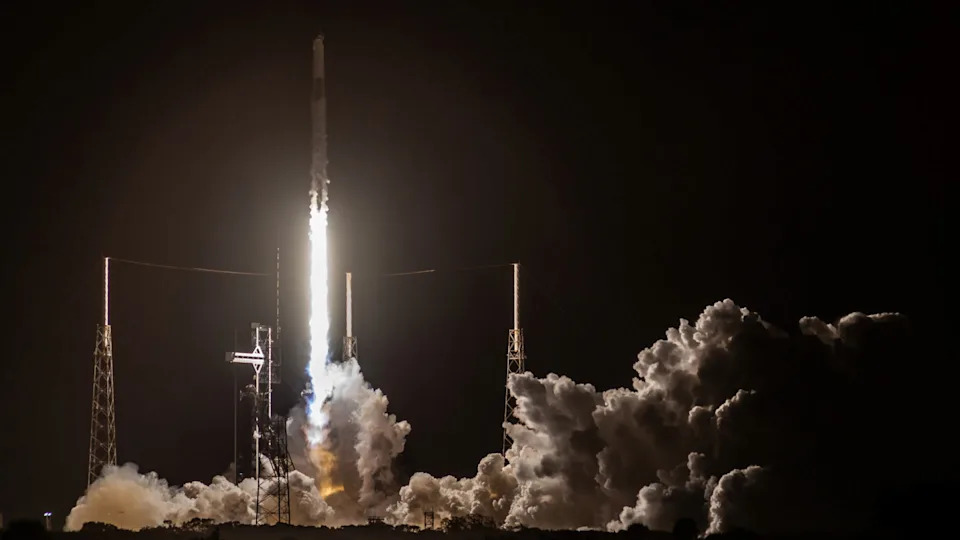
Florida Sky Lights Up With Massive 'Space Jellyfish' After SpaceX Launch
Researchers estimate the impact excavated a crater roughly 65 to 90 feet (about 20–27 meters) across. The upper stage carried no payload when it hit; it had previously helped send Firefly Aerospace's Blue Ghost lander and ispace's RESILIENCE mission toward the Moon before being left in a heliocentric trajectory.

SpaceX's Massive Starship V3 Rocket Finally Has a Launch Date
Unlike Falcon 9 missions that target low-Earth orbit and end with upper stages reentering Earth's atmosphere, higher-energy lunar missions require different disposal plans. As SpaceX's Director of NASA Science and Dragon Programs, Julianna Scheiman, explained before the strike:

Elon Musk's SpaceX Rocket Junk Could Slam Into the Moon This Summer
"For high-energy missions, we need to perform a different maneuver to ensure the second stage itself is safe per the appropriate rules and regulations. A mixture of solar activity and gravity forces have put it on a path towards the Moon."
NASA emphasized there was "no danger to Earth" and said it plans to image and study the impact site after ejecta and dust settle. Although the collision was not visible to the naked eye, an array of spacecraft and ground-based observatories were lined up to capture what they could. NASA's Lunar Reconnaissance Orbiter (LRO) is expected to photograph the new crater, and South Korea's Korean Pathfinder Lunar Orbiter also attempted observations leading up to impact.
Why This Matters
Artificial impacts on the Moon that are deliberately observed are rare, giving scientists a valuable opportunity to study how man-made objects create craters and how lunar regolith responds to high-speed impacts. "We know it makes a crater," said Dr. Paul Wiegert, an astronomy professor at Western University, "but we don't really understand that process in great detail." Data from this event will help refine models of impact dynamics and surface disturbance on airless bodies.
The collision also comes as SpaceX expands its focus on cislunar and deep-space operations. Elon Musk has discussed concepts such as lunar-based manufacturing and, more recently, SpaceX unveiled Starship V3 — a next-generation vehicle intended to support orbital refueling, large cargo missions, and eventual crewed exploration beyond Earth. This incident underscores that as human activity around the Moon increases, so do questions about debris management and the scientific value of otherwise discarded hardware.
What’s next: Scientists will wait for LRO and other orbiters to return high-resolution images of the site, which will inform follow-up analyses of crater size, ejecta distribution, and any local surface changes.
Help us improve.