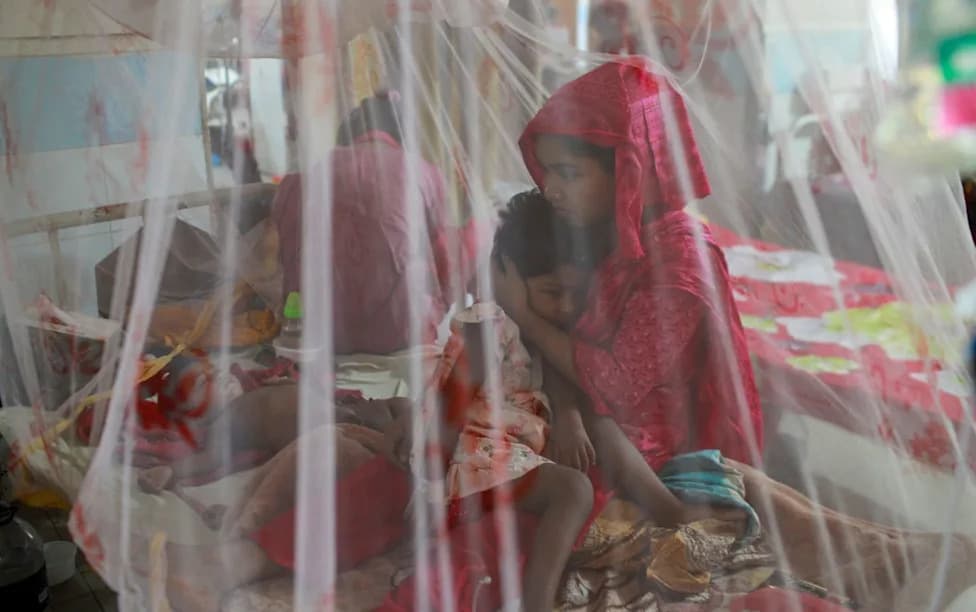
Mosquito populations across parts of the U.S. — especially in the West and Midwest — have dropped sharply this year, largely due to historic drought linked to climate change. Despite declines of roughly 50% regionally and up to 70% in some areas, West Nile virus is at a 22-year high, driven by drought-driven concentrations of birds and mosquitoes around shrinking water sources. Experts warn that climate swings and more days suitable for breeding could lead to rebounds, and they are pursuing community and scientific measures to reduce future outbreaks.
Why Mosquito Numbers Have Fallen — And Why Public Health Experts Are Still Concerned
Where have all the mosquitoes gone? Parts of the US are seeing a huge drop — and that has experts worried
Pesky mosquitoes may feel like a permanent part of summer, but this year parts of the United States have seen dramatic declines in mosquito populations — and public-health experts say the drop isn’t necessarily good news.
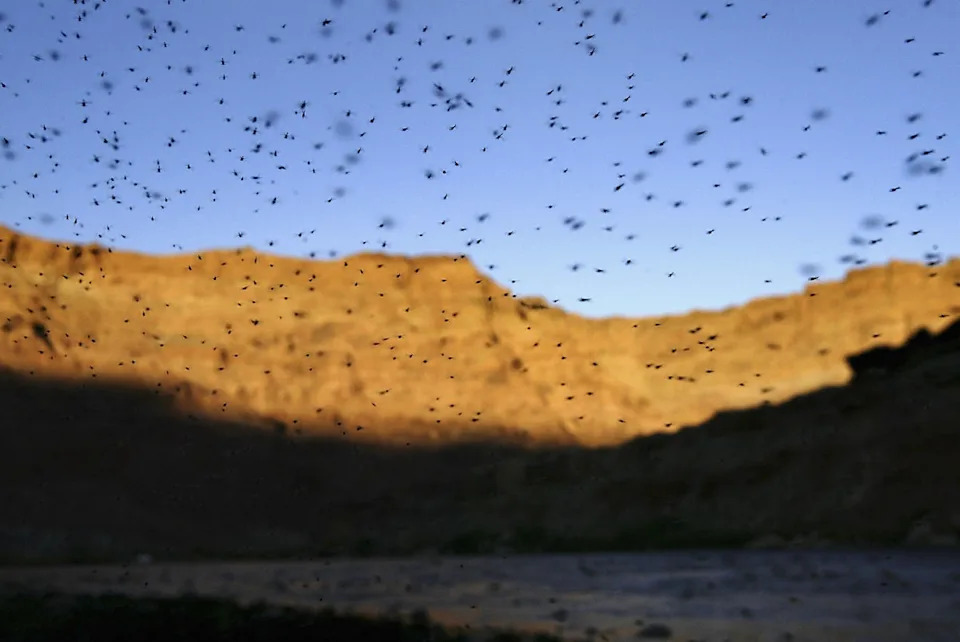
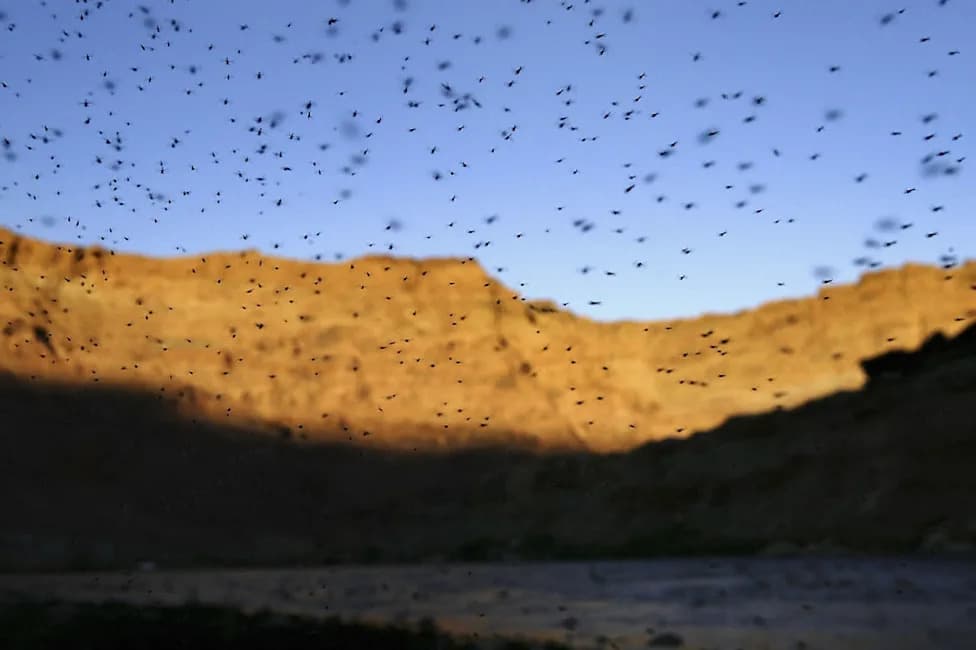
A cloud of mosquitoes swarms over the Colorado River, southwest of Page, Arizona. The state has been a high number of West Nile cases (Getty Images)
What’s Happening
Across Western and Midwestern states, including Minnesota and North Dakota, mosquito counts are down by about 50 percent, and entomologists report declines as steep as 70 percent in Colorado. Researchers link the drop largely to a historic drought driven by climate change — the same extreme conditions that have worsened wildfire seasons in many states.
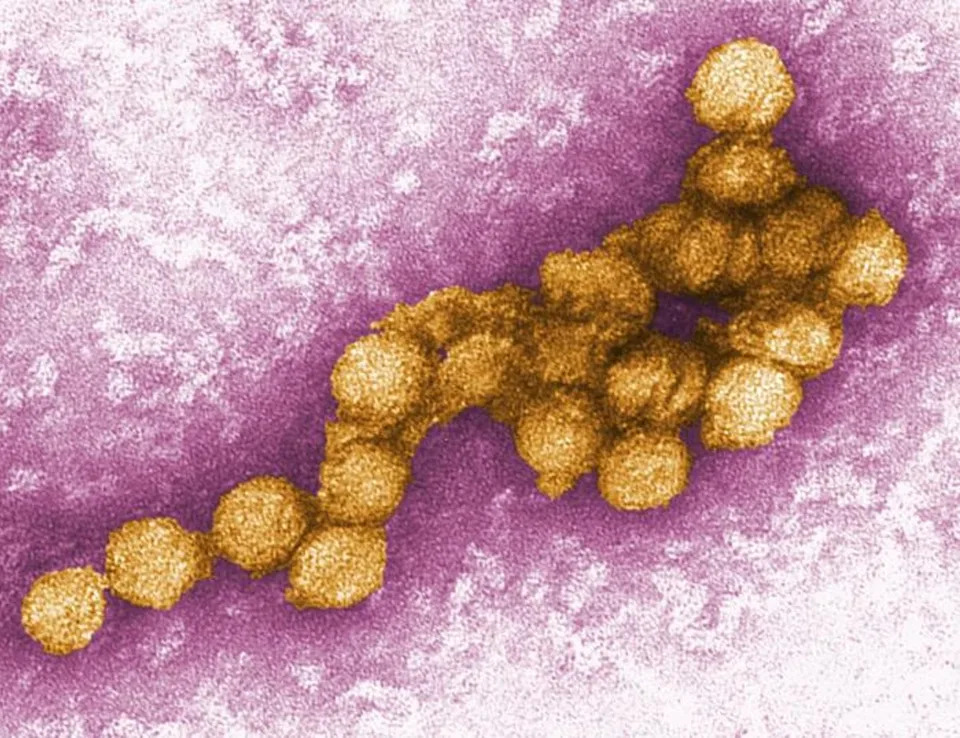
The West Nile virus is seen under a microscope. Severe infections can lead to paralysis, coma, vision loss and spine and brain inflammation (CDC)
Why Disease Risk Can Rise Even When Mosquitoes Fall
Fewer mosquitoes overall does not automatically mean lower disease risk. Health officials are particularly worried about West Nile virus, which is currently at a 22-year high in the U.S. so far this season. To date, 143 West Nile cases have been reported this year, with five deaths in Arizona, which accounts for roughly half of the cases.
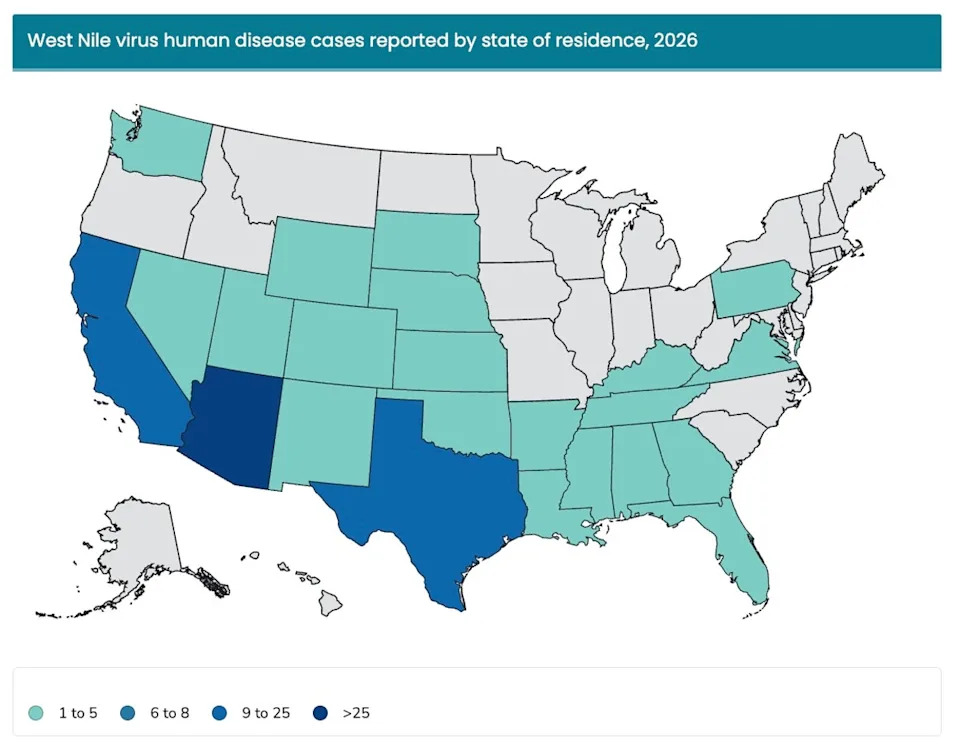
This map shows were cases of West Nile virus are the highest in the U.S. right now. The states with the most cases are shown in dark blue and the fewest are in turquoise. States with no cases are shown in grey (CDC)
“Drought conditions can paradoxically increase West Nile virus transmission because they concentrate mosquitoes and birds — West Nile is a bird virus first — around shrinking water sources, increasing transmission risk,” said Matthew Aliota, a professor at the University of Minnesota.
When ponds and wetlands dry up, birds (the primary reservoirs of West Nile) and mosquitoes cluster around the remaining pools. That concentration increases the chances the virus moves between birds and mosquitoes, and from mosquitoes to people.
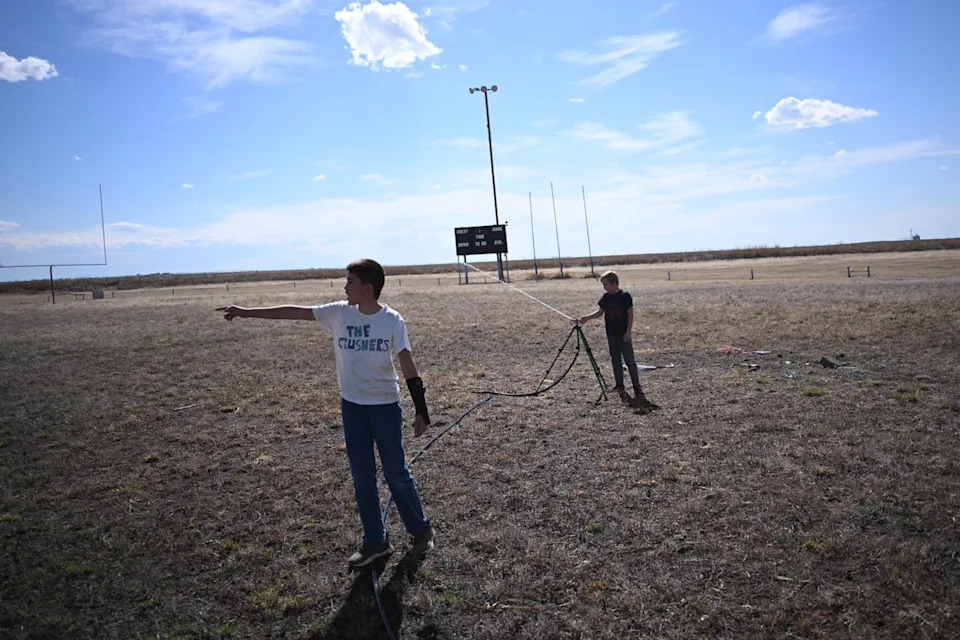
Kids play with the sprinkler on a drought-parched field in Vilas, Colorado, in May. The state has seen fewer mosquitoes this year, but more cases of West Nile virus following the spring's historic drought (Getty Images)
History and Impact
West Nile virus was first detected in the United States in 1999 and had spread across the contiguous U.S. by 2004. Since its introduction, roughly 32,000 U.S. cases have been recorded. The virus typically causes mild symptoms for many people, but severe infections can lead to high fever, tremors, vision loss, paralysis, and inflammation of the brain and spinal cord; the illness accounts for more than 130 deaths per year in the contiguous U.S., on average.
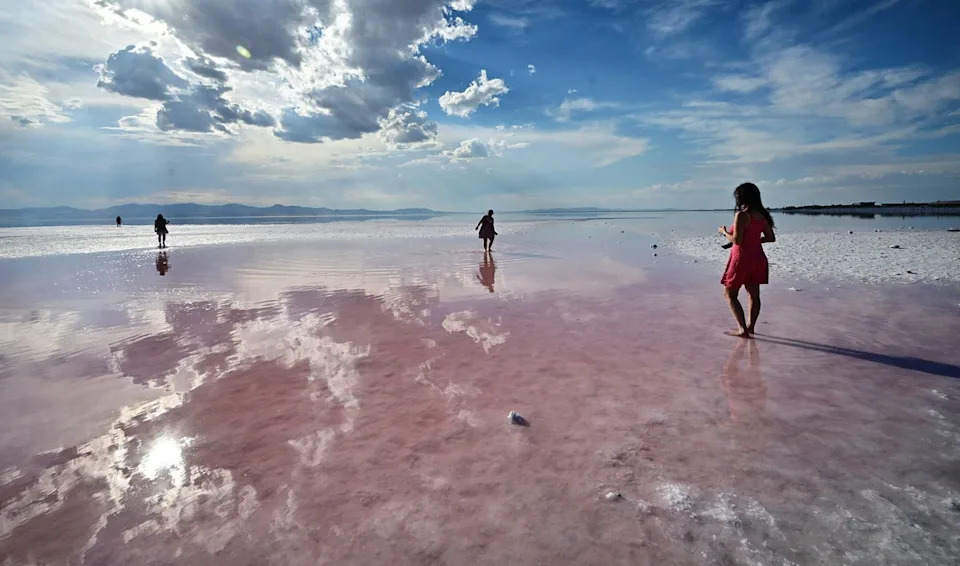
People step into the pink water at the Great Salt Lake in Utah, in September 2024. Mosquitoes are particularly abundant around the lake and some traps have caught nearly 30,000 in a single night (AFP via Getty Images)
Regional Variations and Rebound Risk
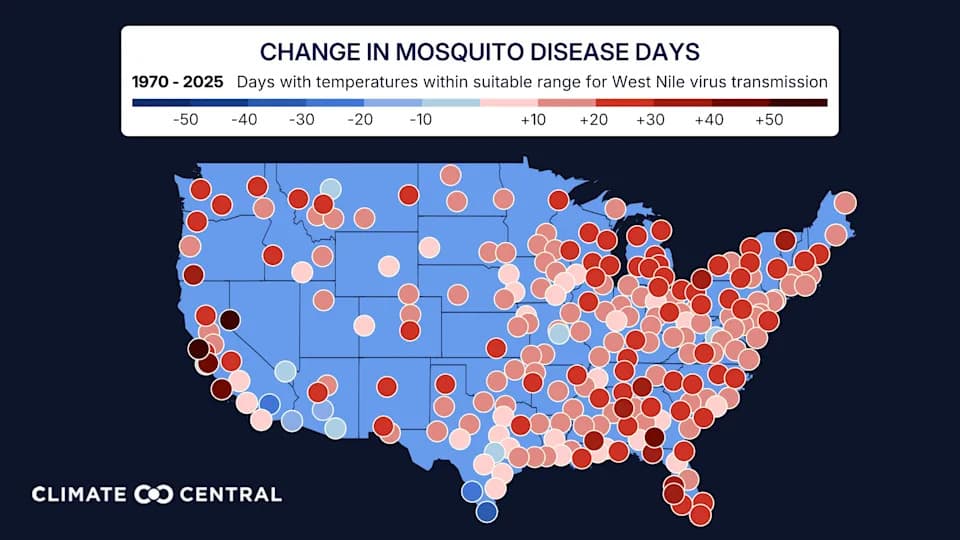
Mosquito species respond differently to drought. Some species thrive in the conditions created by shrinking water bodies; for example, surveillance traps near Utah’s Great Salt Lake reported catches of nearly 30,000 mosquitoes in a single night. Meanwhile, climate models show the U.S. now has about 18 more days per year suitable for mosquito breeding than 50 years ago, raising the risk of larger future swarms.
What Scientists and Communities Are Doing
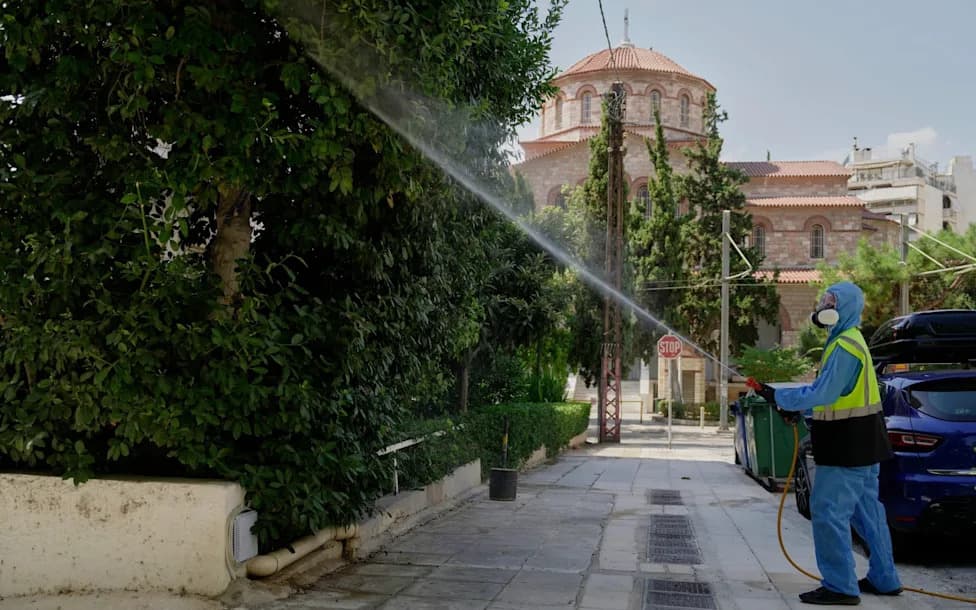
Authorities and researchers are preparing on multiple fronts: community programs continue trapping mosquitoes and treating standing water with larvicides, while scientists explore genetic and reproductive interventions designed to reduce mosquito populations or their ability to transmit pathogens.
Stay Alert
Even when overall numbers fall, local concentrations can increase disease risk. Public-health experts recommend removing standing water around homes, using repellents when needed, and staying informed about local advisories — particularly during hot, dry spells that can bring birds and mosquitoes together.
Help us improve.