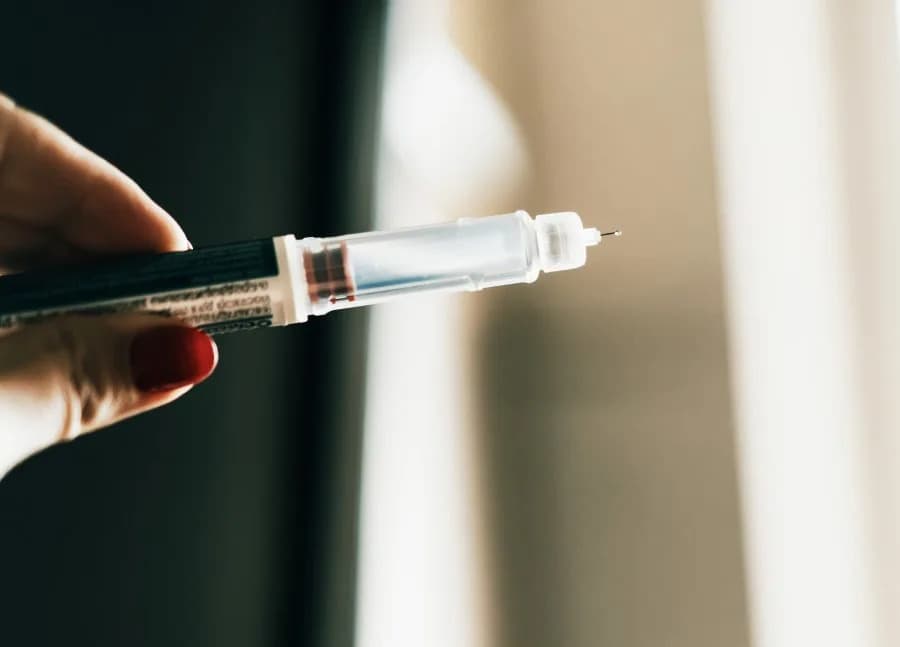
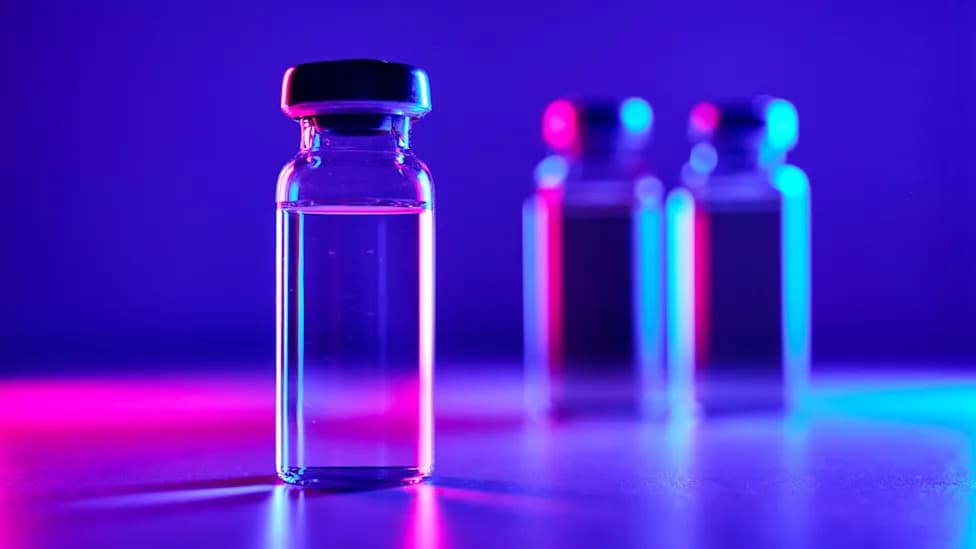
Alex Boutin, 33, of Sydney died of a heart attack in October 2024 after years of using performance-enhancing drugs and unregulated injectable peptides he was introduced to at his gym. Family members say medical staff told them his substance use likely contributed to fatal heart damage. Research cited by Australian experts found large inconsistencies in unregulated peptide products, including severe under- and overdosing. Australia’s TGA and the U.S. FDA have increased enforcement and warnings, and Alex's sister is launching a foundation to fund research and raise awareness.
33-Year-Old Sydney Man Dies After Years of Gym-Supplied Peptides; Sister Warns of Hidden Risks
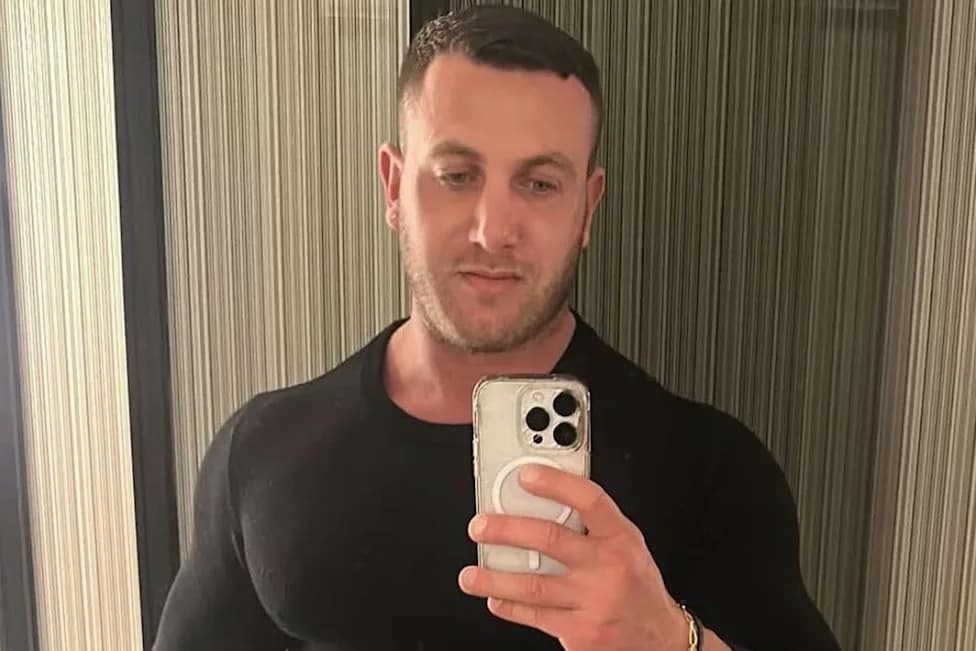
Alex BoutinCredit: Instagram
Alex Boutin, a 33-year-old man from Sydney, died of a heart attack in October 2024 after years of using performance-enhancing drugs (PEDs) and unregulated injectable peptides he says were supplied through his gym, family members told Australian media.
What Happened
According to his sister, Isabella Boutin, Alex collapsed at home following a dinner with friends and was later found unresponsive by a loved one. Emergency services were unable to revive him. Police later discovered multiple performance-enhancing products at his home. Medical staff told the family that prolonged substance use "would have had that impact on his heart," Isabella said.

Alex BoutinCredit: Instagram
How It Began
Isabella said Alex began using steroids and injectable peptides as a teenager after people at his gym introduced them to him while he tried to bulk up following a painful breakup. She told 7News she was only briefly aware of his peptide use in the years before his death and had been reassured by him that the products were safe.
What Are Peptides And Why Are They Risky?
Peptides are short chains of amino acids sometimes marketed for muscle growth, anti-aging and anti-inflammatory effects. However, experts caution that many products sold outside regulated channels lack reliable safety and efficacy data. Dr. Timothy Piatkowski of the University of Queensland said testing by his research program revealed major inconsistencies in unregulated peptide products: some were underdosed, some contained nothing, and some were massively overdosed — in one instance reaching about 190% of the labeled amount.

Isabella Boutin with her brother Alex BoutinCredit: Isabella Boutin
"We need to ensure that people who are using these products... have safer injecting guidance," Dr. Piatkowski told 7News.
Family, Grief And Advocacy
Isabella described profound family grief: "There are no real words to describe the loss that we've had in our family... it's almost like you've been amputated." She also said Alex experienced increased aggression, anxiety and depression after beginning PED use.
In response to concerns about unregulated peptides, Australia's Therapeutic Goods Administration (TGA) has stepped up enforcement against illegal advertising, importation and supply of these products. The U.S. Food and Drug Administration (FDA) has issued similar warnings and taken action against sellers of unapproved injectable peptides, noting they can pose serious and potentially life-threatening risks.
Next Steps
Isabella is establishing a foundation to fund research into performance-enhancing drugs and to raise awareness about the risks of unregulated peptides in schools and medical centres. "Sharing my brother's story is the most painful, yet important, thing I will do," she told PEOPLE. "These drugs kill, and saving even one life is the ultimate tribute to the brother I miss every day."
Sources: Reporting from PEOPLE, ABC Australia and 7News.
Help us improve.