The WHO says genetic sequencing shows the DRC Ebola outbreak began in February, months before its official May 15 declaration. Confirmed cases are about 4,200 with at least 1,900 deaths, and the outbreak is driven by the rare Bundibugyo strain, which lacks approved, strain-specific vaccines. Response efforts are hampered by strikes, rebel threats, logistical shortages and misinformation, while Ervebo trials and Bundibugyo-specific vaccine candidates are being pursued.
WHO: DRC Ebola Outbreak Began in February — Rare Bundibugyo Strain Outpaces Response
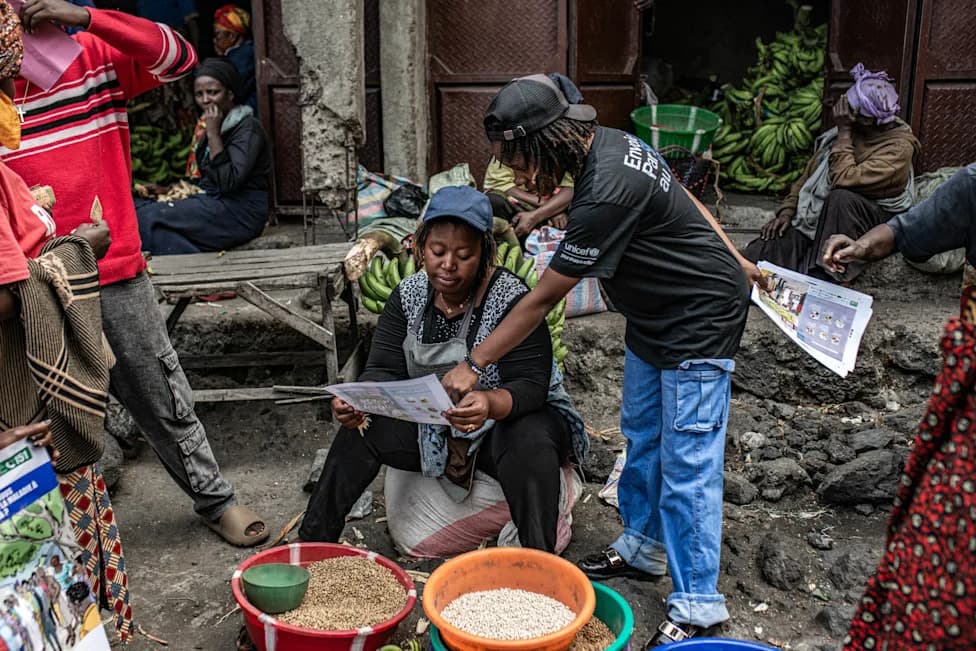
Workers with UNICEF's 'U-Report' group raise Ebola awareness at a market in Goma, DRC, June 24, 2026 [Daniel Buuma/Getty Images]
The World Health Organization (WHO) says genetic sequencing indicates the fastest-growing Ebola outbreak on record began in February, months before it was officially declared on May 15. Response teams in the Democratic Republic of Congo (DRC) are racing to contain a surge of cases driven by the rare Bundibugyo strain, which currently has no approved vaccines or targeted treatments.
What Officials Say
Mohamed Janabi, WHO Regional Director for Africa, told reporters that early infections were sometimes misdiagnosed as malaria or typhoid, delaying recognition of the outbreak. "So we are chasing the virus, the virus is ahead of us," Janabi said.
Scale And Speed
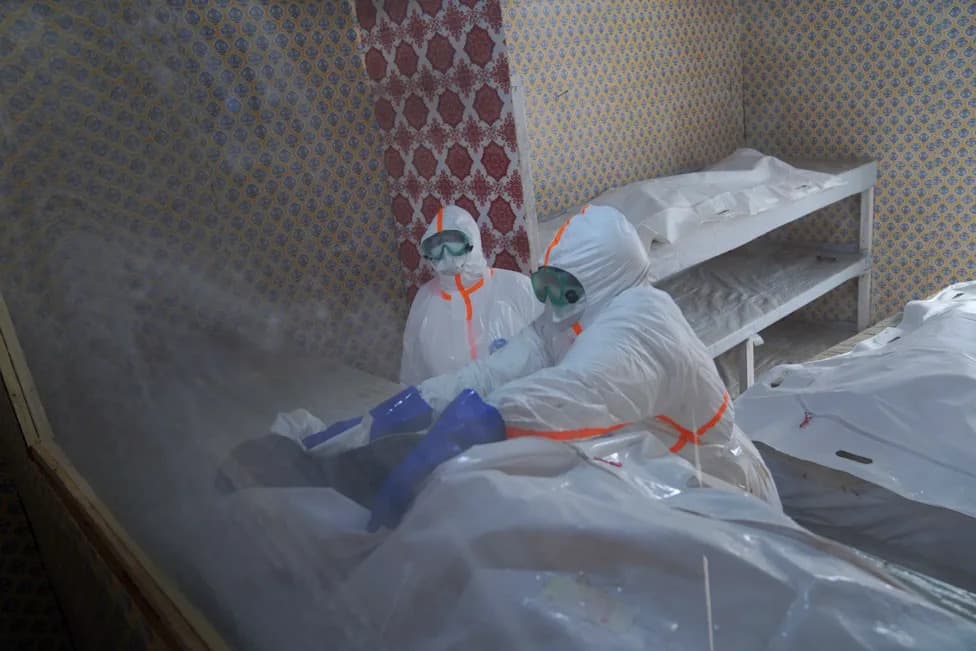
According to the latest government figures, confirmed cases have reached about 4,200 with at least 1,900 deaths. WHO Director-General Tedros Adhanom Ghebreyesus warned that new cases are doubling in some hotspots and that the virus is spreading faster than current response efforts can keep pace.
Why This Outbreak Is Different
This episode is driven by the Bundibugyo strain, which is far less common than the Zaire strain and currently has no licensed vaccines specifically targeting it. Early laboratory testing focused on the more common Zaire strain, a factor that contributed to initial delays in detection.
Vaccine And Treatment Efforts
The WHO has recommended starting full-scale human trials of Ervebo — the only licensed Ebola vaccine, developed for the Zaire strain — after early data suggested it may offer some cross-protection against Bundibugyo. However, experts say a Bundibugyo-specific vaccine remains the preferred tool; two candidate Bundibugyo vaccines are in early human trials and a third is being advanced toward that stage.
Operational Challenges
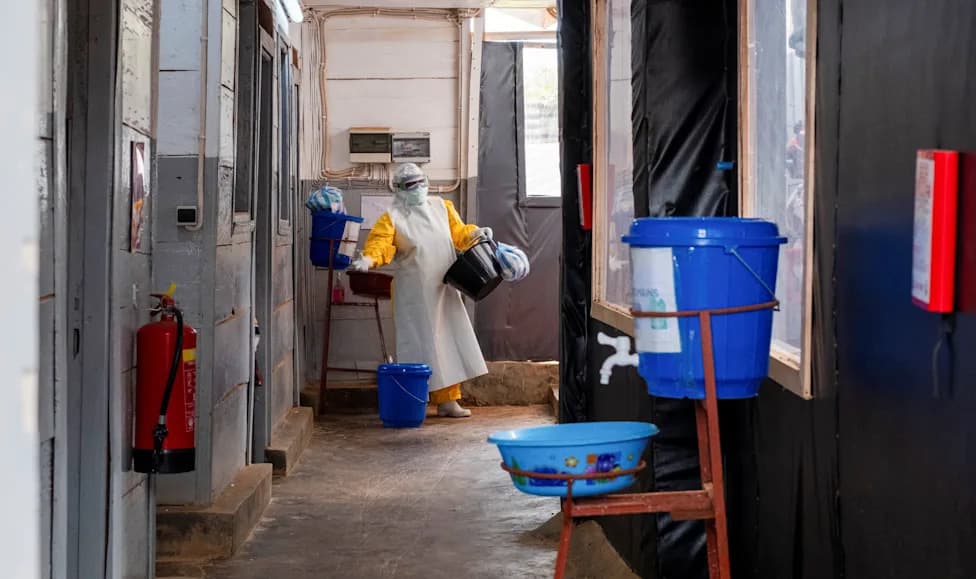
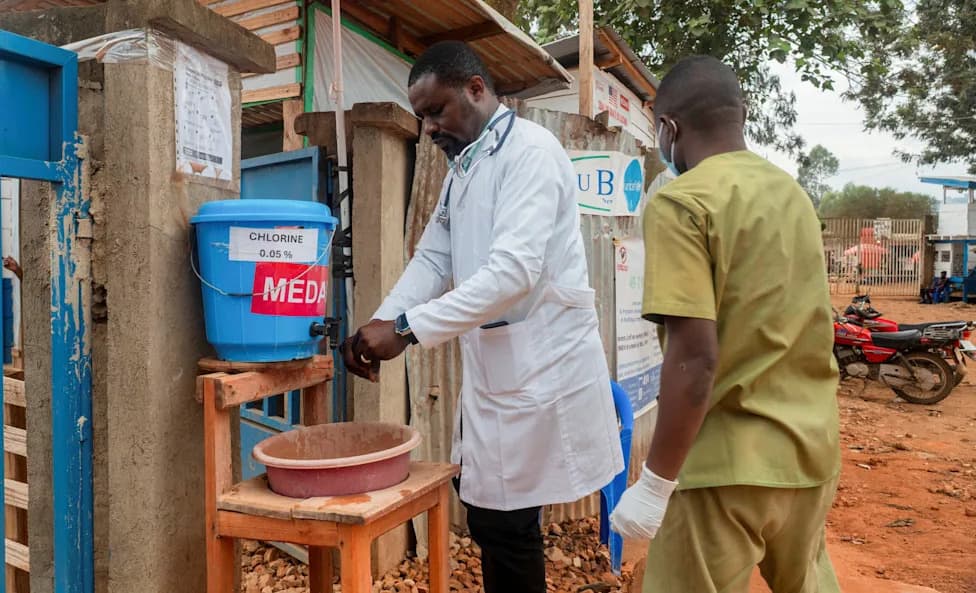
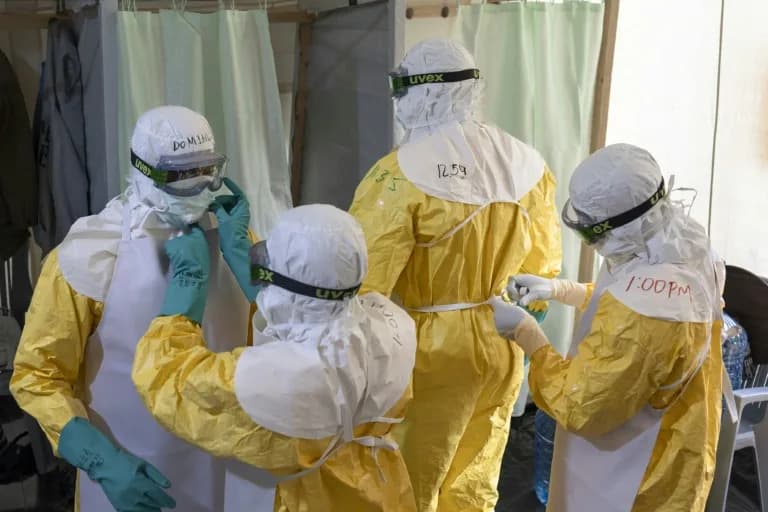
Response teams face severe obstacles: unpaid health workers are striking, rebel groups have issued threats, misinformation denies the disease in some communities, and local populations traumatized by long-running conflict are sometimes distrustful. Health workers must traverse remote, unpaved roads and report shortages of personal protective equipment, while large numbers of displaced people lack reliable water for hygiene measures such as handwashing.
Context: Previous Ebola outbreaks have also been identified weeks or months after the first cases, including the 2014–2016 West Africa epidemic, which was later traced back to December 2013 despite being declared in March 2014.
Containing this outbreak will require accelerating testing and surveillance, protecting and supporting local health workers, expanding vaccine trials and supplies, and fighting misinformation in affected communities.
Help us improve.