Daniel Grand, an Orthodox Jew in University Heights, Ohio, was told in 2021 that hosting a minyan at his home required a special‑use permit. He withdrew the application, sued in federal court, and the dispute reached the U.S. Supreme Court on whether the lawsuit was ripe for review. The Court's decision — expected next year — could expand or restrict when religious groups may bypass local administrative procedures to seek constitutional relief, with implications for zoning and other regulation disputes.
A Home Minyan, A Supreme Court Fight: How One Prayer Gathering Could Reshape Ripeness Law
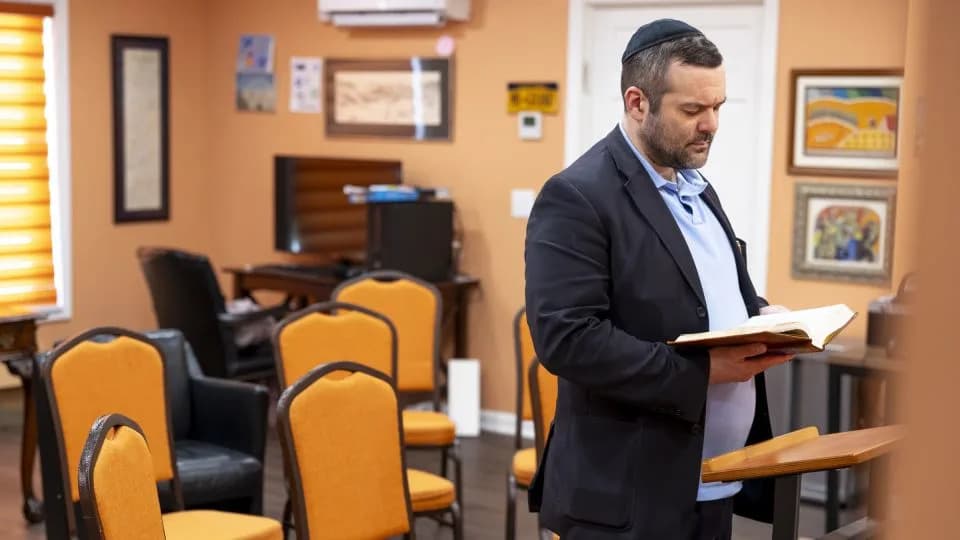
Daniel Grand, an Orthodox Jew at his home in University Heights, Ohio, in a photo provided by his attorneys. - Alliance Defending Freedom
Daniel Grand, an Orthodox Jew in University Heights, Ohio, expected to host a small prayer meeting in his home's rec room in early 2021. Instead, city officials demanded a special‑use permit and sent a cease‑and‑desist letter — launching a four‑year legal fight that reached the U.S. Supreme Court.
What Happened
Grand invited roughly a dozen men for a minyan — the quorum of 10 men required for certain Jewish prayers. Hours after the invitation circulated, municipal officials said a special‑use permit was required. Grand withdrew his application, concluded the administrative process would be futile, and filed suit in federal court challenging the city's action.
The Central Legal Question
The case turns on ripeness: whether Grand's lawsuit was properly brought to federal court before a local planning commission issued a final decision on his permit. University Heights argues the suit was premature because no definitive denial occurred; Grand and his supporters contend that forcing claimants through prolonged or indefinite administrative procedures can effectively deny religious exercise and evade constitutional review.
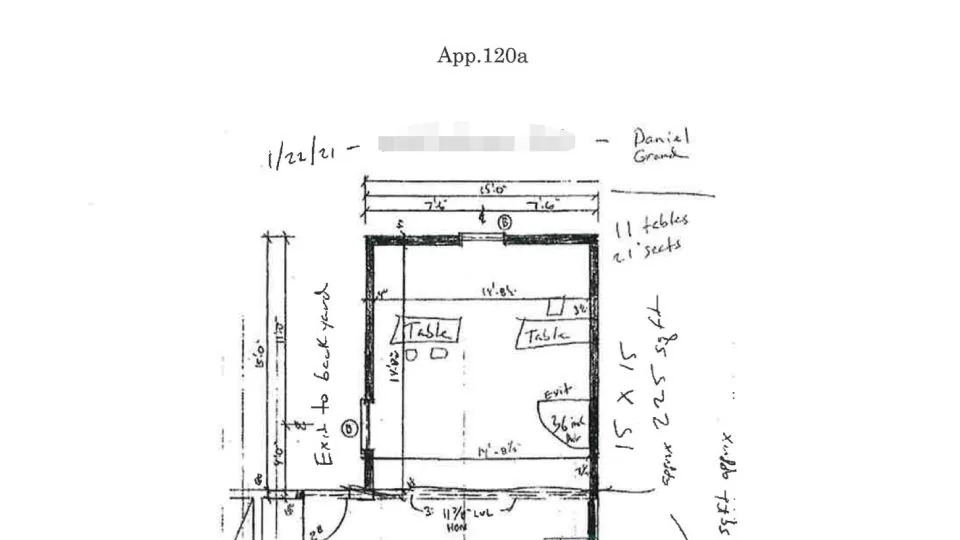
A hand-drawn map of Daniel Grand's planned prayer room in his home. CNN has blurred a portion of the image to hide Grand's address. - US Supreme Court
Why The Supreme Court Is Watching
A 6‑3 conservative Court that has recently shown receptivity to religious‑liberty claims agreed to hear the case. The justices will decide whether plaintiffs can bring pre‑enforcement challenges to zoning and other regulations or must wait for final administrative action. The ruling could have ripple effects beyond zoning — potentially affecting challenges to abortion‑related rules, federal accommodation processes, anti‑discrimination disputes, and other policies where governments invoke ripeness to resist review.
Background And Broader Stakes
Lower courts — a federal district court and the Sixth Circuit — held the case was not ripe. Grand initially sought Supreme Court review pro se; the justices asked the city to respond, and Grand later retained counsel, including appellate lawyer E. Joshua Rosenkranz and the Alliance Defending Freedom. Religious groups such as the U.S. Conference of Catholic Bishops argue that ripeness doctrine can be manipulated to delay or sidestep First Amendment scrutiny, pointing to recent disputes over a 2024 EEOC rule on abortion accommodations as an example.
Local Tensions
The record reflects neighborhood opposition: a resident wrote, "I am not Jewish and I do not want our neighborhood labeled as Jewish." Grand said he could not be certain whether antisemitism motivated the complaints but described the reaction as bigotry. He says he sought a home minyan for practical reasons — there is no nearby synagogue and he does not drive on the Sabbath.
What Comes Next
The Supreme Court is expected to issue a decision next year. Depending on its ruling, the Court could make it easier for religious claimants to obtain federal review before exhausting local administrative routes — or it could reinforce limits on pre‑enforcement challenges and preserve the primacy of local permitting processes.
Help us improve.