An American at McMurdo Station required urgent medical evacuation in late July. The Australian Antarctic Division requested help and Skytraders responded after an initial July 29 attempt was aborted due to weather. Two days later the Skytraders A319 Snowbird 1 landed on McMurdo’s ice runway in complete darkness and temperatures near −46°F (≈−43°C), loaded the patient and flew to Christchurch for full medical care.
Daring Antarctic Medevac: A319 Lands in Total Darkness to Evacuate American From McMurdo
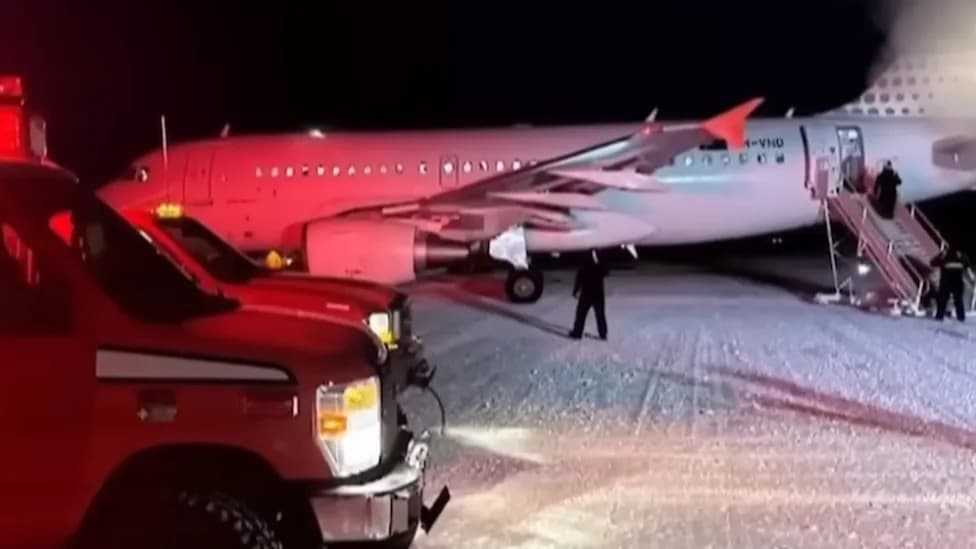
Image Credit: NBC News / YouTube.
When most people picture a medical rescue, they imagine flashing lights and a stretcher — not an Airbus jet touching down on an ice runway in the middle of polar winter night. In late July, that is exactly what happened when Skytraders flew an urgent medevac to McMurdo Station to evacuate an American needing care beyond what the facility could provide.
The Rescue Mission
The Australian Antarctic Division issued an urgent request for medical assistance, and private operator Skytraders responded. An initial attempt on July 29 was aborted because weather conditions grounded even highly experienced crews. Two days later the Skytraders team tried again, departing from Australia before dawn and flying more than five hours into Antarctic night.
The airline’s Airbus A319, nicknamed Snowbird 1, located and touched down on McMurdo’s ice runway in complete darkness and temperatures plunging to nearly 46 degrees below zero Fahrenheit (about −43°C). With limited lighting and no standard ground support, the crew relied on instruments, specialized training and steady nerves to complete the approach and landing.
On The Ground And Away
Once on the surface, the team moved quickly: the patient was loaded aboard and the aircraft departed ahead of worsening weather that could have trapped them. The A319 then flew to Christchurch, New Zealand, where the patient could receive comprehensive medical treatment and, importantly, daylight.
Why It Mattered
Antarctica is among the most remote and unforgiving places on Earth. Winters bring months of darkness, extreme cold and limited infrastructure, meaning medical emergencies require precise coordination, purpose-built equipment and crews willing to accept significant operational risk. This mission underscores the specialized logistics and professional resolve behind polar evacuations.
Our Take: Missions like this rarely receive wide attention, but they highlight a quiet professionalism — crews and operators ready to fly into extreme conditions to save lives.
Help us improve.