Summary: President Volodymyr Zelensky says Moscow and Pyongyang have agreed to deploy 30,000–50,000 North Korean troops to Russia, a major escalation from earlier reports of hundreds or thousands. Kyiv and Western analysts also allege North Korea has sent soldiers, deminers and ballistic missiles (including KN-23/KN-24) to support Russian operations. Ukrainian intelligence warns of a possible North Korean missile unit bound for Voronezh, while Britain has sanctioned DPRK officials and calls for tighter international monitoring.
Zelensky Says North Korea May Send 30,000–50,000 Troops To Russia — Kyiv Warns Of Major Escalation
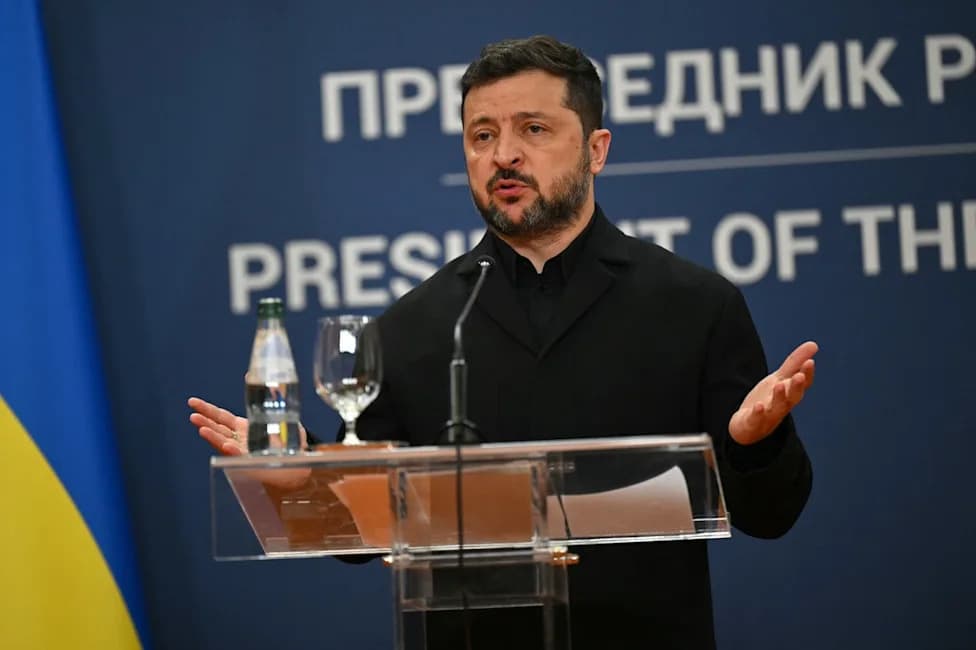
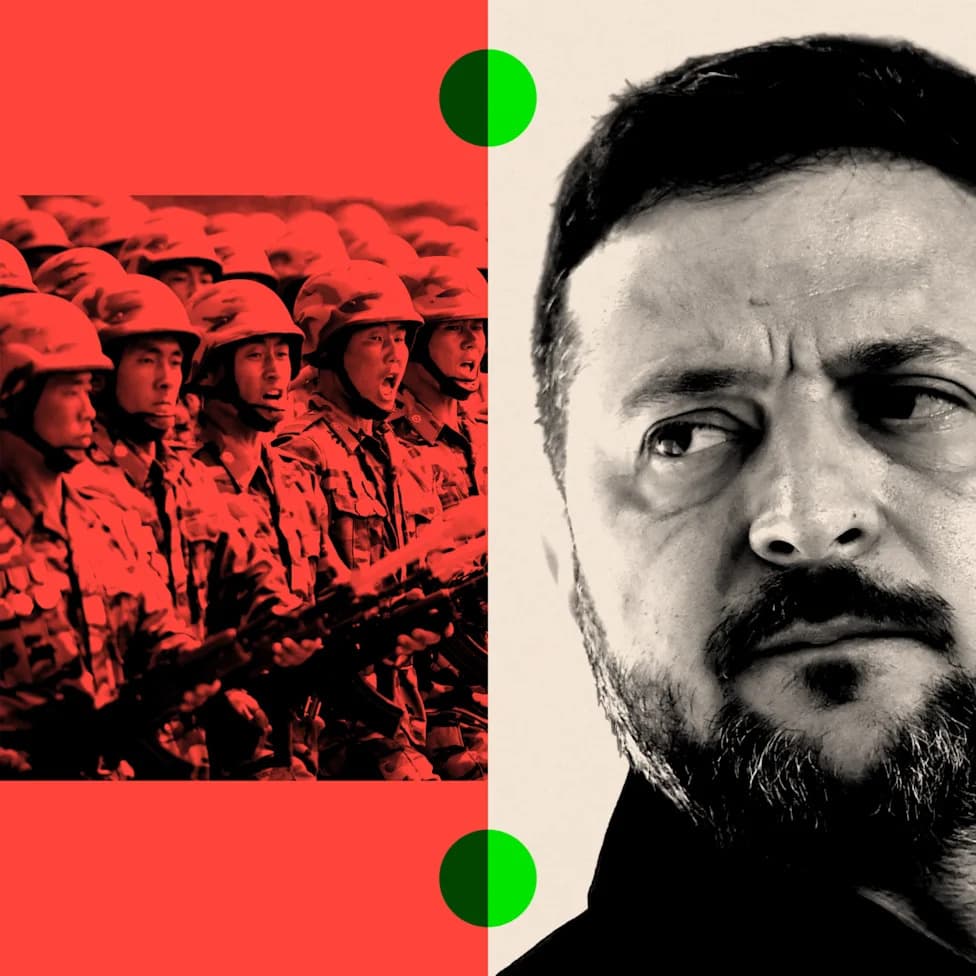
North Korea preparing to deploy another 50,000 soldiers to fight for Russia in Ukraine, Zelensky claims
Ukraine's president, Volodymyr Zelensky, has said that Moscow and Pyongyang have agreed to station between 30,000 and 50,000 North Korean troops on Russian soil — a significant escalation from previous reports that spoke of hundreds or thousands of personnel. Neither Russia nor North Korea has publicly confirmed the claim, and Kyiv did not immediately disclose the specific intelligence underpinning its assessment.
What Zelensky Told Reporters
'North Koreans appear on the territory of the Russian Federation from time to time. At first, we were talking about hundreds, then thousands, and now a decision has been made for 30,000 to 50,000 North Koreans to be deployed on the territory of Russia.'
Intelligence Details And Reported Deployments
Ukrainian and Western analysts say Pyongyang has already provided personnel, deminers and ballistic missiles to support Russian operations. Kyiv has previously alleged that roughly 16,000 North Korean soldiers and deminers were sent to the Kursk region since late 2024, alongside shipments of missiles.
Ukraine's military intelligence recently stated that North Korea was preparing to send a missile unit of about 90 soldiers to Voronezh with six launchers and roughly 120 missiles to operate as part of Russia's 112th Missile Brigade. A Ukrainian official also told Reuters that about 40 KN-23 and KN-24 short-range ballistic missiles may already have been supplied.
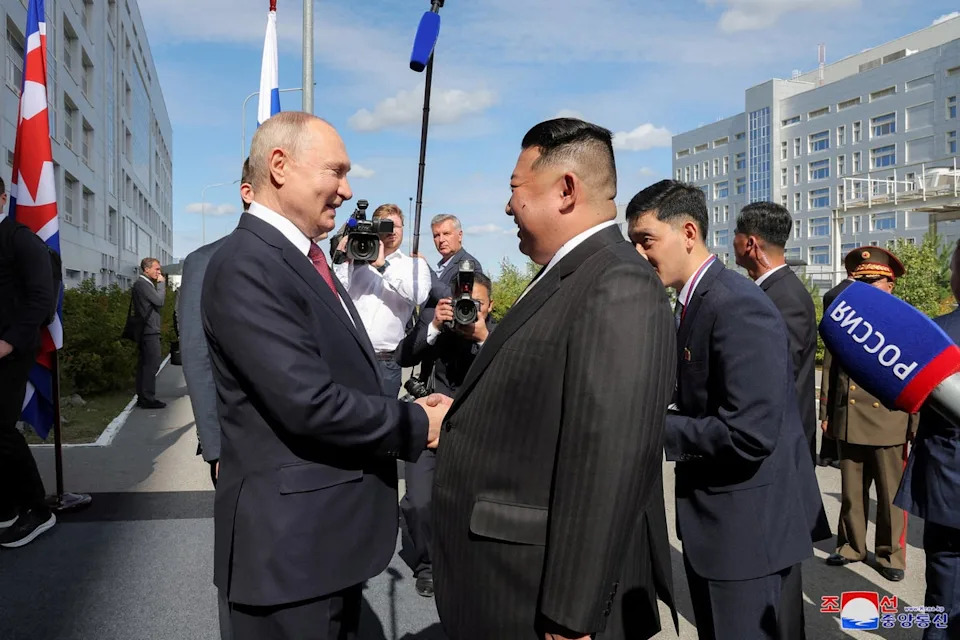
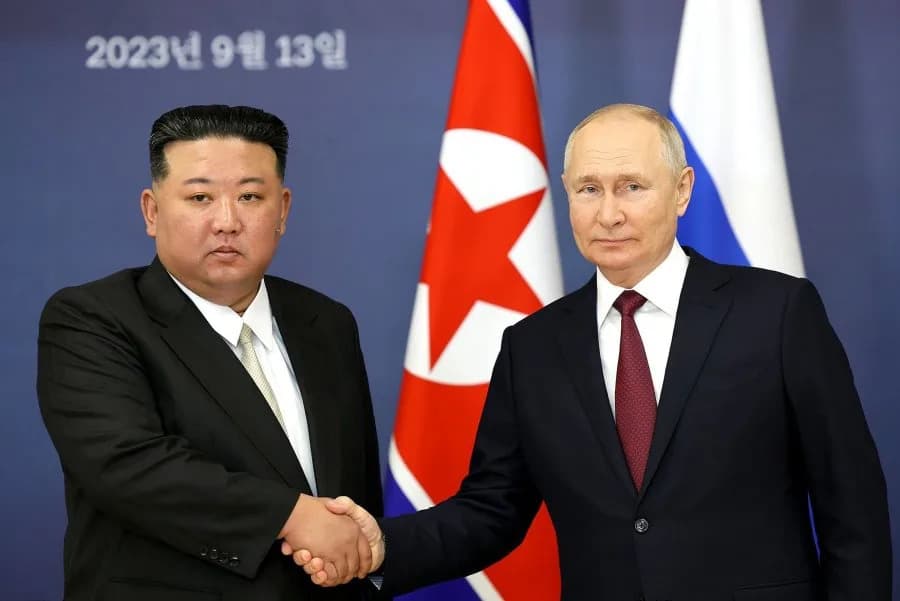
North Korean leader Kim Jong Un meets Russian president Vladimir Putin
Potential Motives And Risks
Zelensky warned that a formal troop presence would give North Korea more than manpower: it could gain combat experience, licences, and access to Russian military technologies and techniques. Kyiv argues that such an arrangement would pose security risks beyond Europe and could accelerate the transfer of operational knowledge to Pyongyang.
International Reaction And Legal Constraints
Seoul's constitution and laws restrict what military aid South Korea can provide to countries at war, limiting Seoul largely to non-lethal assistance; Zelensky urged closer cooperation with South Korea on air defences and drones. Britain has imposed sanctions on several North Korean officials over alleged deployments and joined other states in monitoring sanctions enforcement after a UN panel's continuation was vetoed by Russia.
Background
In June 2024 Moscow and Pyongyang signed a mutual defence treaty committing each to come to the other's aid if attacked. Since then, North Korea has reportedly become an important supplier of munitions and personnel to Russia — allegedly in exchange for food, fuel, cash and military technology. Independent verification of many specific claims remains limited, and the situation continues to develop.
Help us improve.