
DNA tests have shown that a 4,000-year-old skeleton excavated near Stonehenge and long called the "stout man" is genetically female. Analysis of temporal bone, tooth and toe samples confirms her sex and links her to Beaker-associated migrants. Grave goods—such as a battle axe, ochre bowls and a touchstone—and wrist arthritis suggest she practised metalworking; decorative items point to a possible ritual role. The Wiltshire Museum has updated its interpretation and the find features in the Crick Institute exhibition "We Go Way Back."
DNA Rewrites Stonehenge Burial: 'Stout Man' Revealed As Female Metalworker And Shaman
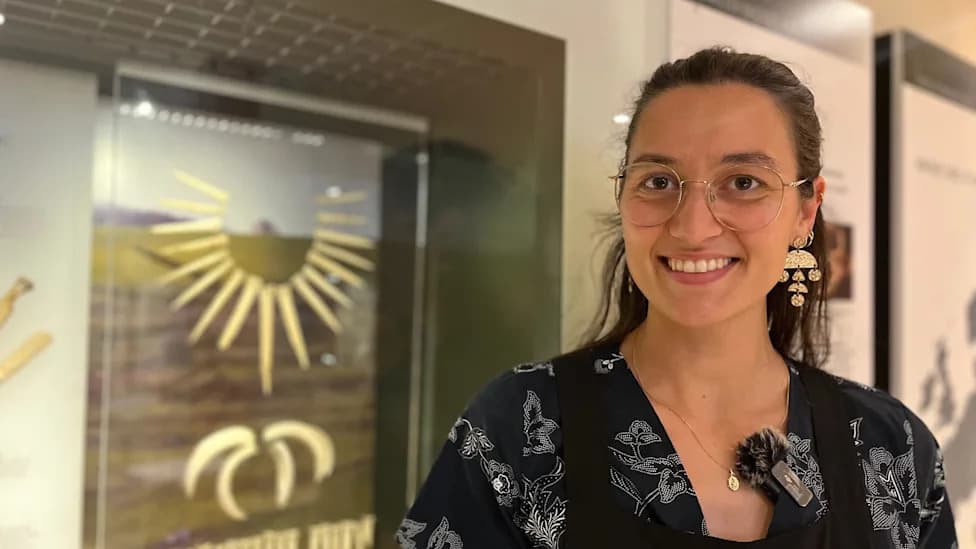
Amber Pullen from Wiltshire Museum said the woman was wearing a bone necklace from sheep and red deer [BBC]
New DNA analysis has overturned a two-century-old identification: a 4,000-year-old skeleton found near Stonehenge and long labeled the "stout man" is genetically female. The reassessment not only changes the skeleton's sex but reshapes how researchers view gender, craft and ritual roles in the early Bronze Age.
Discovery and Reassessment
First recorded by antiquarian William Cunnington in 1803 at Upton Lovell, Wiltshire, the burial was described as belonging to a "stout man" because of its large, robust bones. The remains were re-excavated in 2000 and later analyzed by the Ancient Genomics Lab at the Francis Crick Institute. Genetic tests on the dense temporal bone, a tooth and a toe bone consistently showed XX chromosomes, confirming the individual was biologically female.
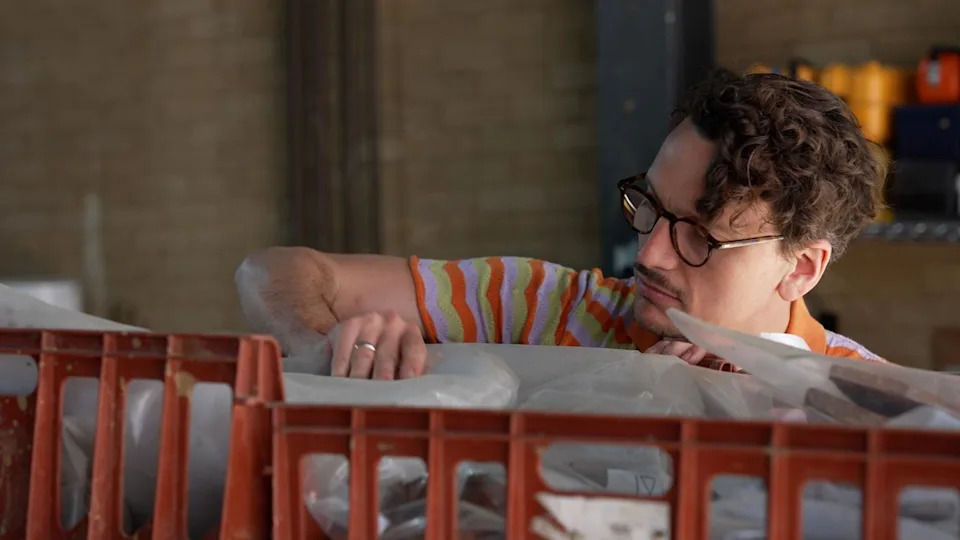
Tom Booth from the Francis Crick Institute has been involved in the new assessment [Christopher Agathangelou]
What the Bones and Grave Goods Reveal
The grave contained a range of objects that point to specialised skills and possible ritual status. Items included a battle axe, ochre bowls and a touchstone—tools associated with metalworking and assessing the purity of metals. Skeletal analysis also found arthritis in one wrist, consistent with repetitive craft activity.
Possible Roles: Metalworker and Shaman
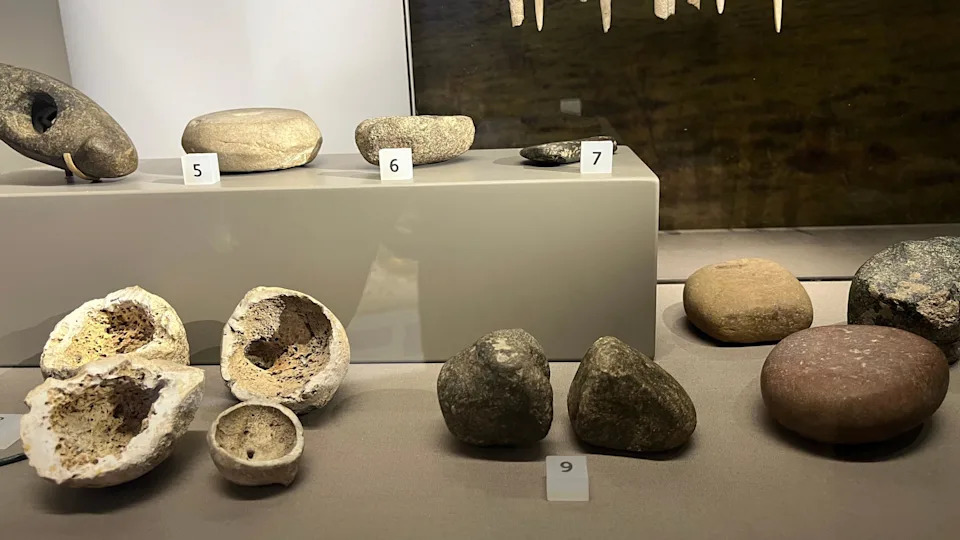
Her metalworking tools are on display at the Wiltshire Museum [BBC]
Researchers interpret the combination of technical tools and decorative or symbolic objects as evidence she may have served both as a metalworker and in a ritual or spiritual role often described as a shaman. The burial included a necklace and worked bone pieces—some unusually long points fashioned from animal bone—which may have had symbolic or ritual significance.
Context and Ancestry
Genetic data links her to the Beaker-associated populations who migrated into Britain during the late Neolithic–early Bronze Age and who are known for their pottery and metalworking traditions. The find is one of roughly 1,000 ancient British genomes the Crick team is sequencing to better understand life in Britain over the past 10,000 years.
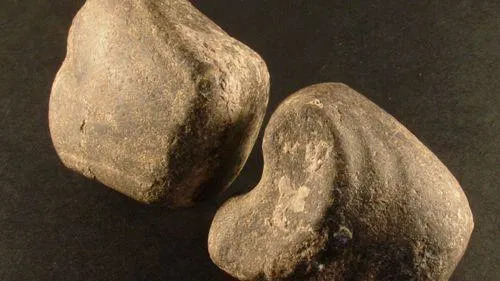
A battle axe was found in the burial [Wiltshire Museum]
Lisa Brown, curator at the Wiltshire Museum, said: "We now have a whole new understanding of this burial, rewriting their story, breaking stereotypes, and putting women front and centre in our understanding of early Bronze Age society."
Museum Update and Exhibition
The Wiltshire Museum has updated the burial's online description and will revise display text when the object moves to a new site. The skeleton and its story are included in the Francis Crick Institute exhibition "We Go Way Back," which highlights genomic discoveries about Britain’s ancient populations.
Why the Skeleton Was Misidentified
Experts note the apparent "masculine" robustness of the bones can result from age-related changes. The woman is likely to have been over 45 and post-menopausal; hormonal shifts after menopause alter bone response to stress, sometimes producing a more robust appearance that may have led early observers to assume the remains were male.
Implications
Beyond correcting a long-standing error of identification, the discovery challenges assumptions about gendered labour and leadership in the early Bronze Age and highlights the value of combining archaeological context with modern genetic methods.
Help us improve.





















