California lawmakers are intensifying scrutiny of the oil industry after several major refiners reported record second-quarter profits while state gasoline prices remained above $5.60 a gallon. Proposed measures include classifying war as an emergency under the state’s price-gouging law and allowing sales of non-California-blend gasoline with fees to fund EV rebates. Supporters say profit caps and policy changes could save motorists millions; industry groups warn such moves could discourage imports and risk supply shortages.
California Lawmakers Ramp Up Crackdown After Oil Majors Report Soaring Q2 Profits
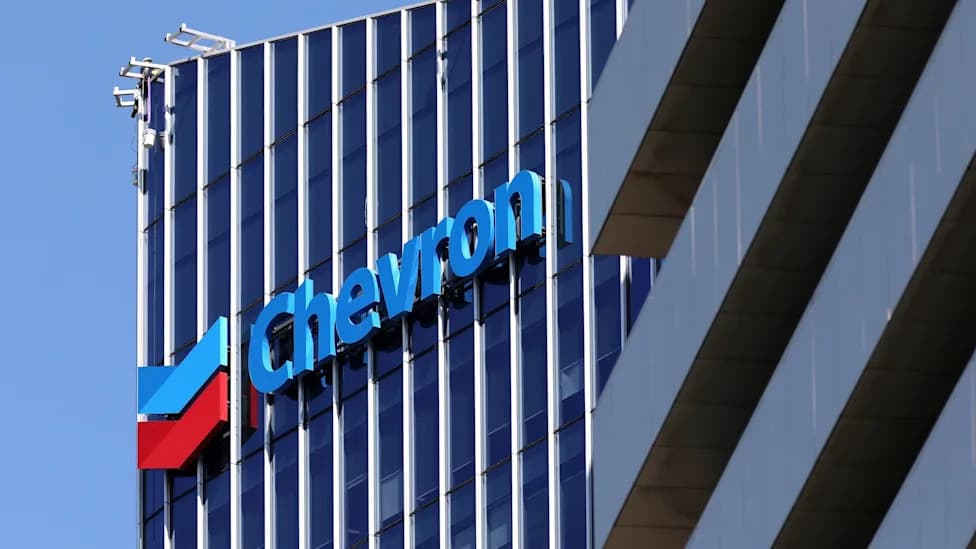
Photo Credit: Getty Images
Record second-quarter profits at several major oil companies have given California legislators renewed momentum to pursue tighter limits on industry earnings — even as residents continue to face some of the nation’s highest pump prices.
Big Earnings Amid High Pump Prices
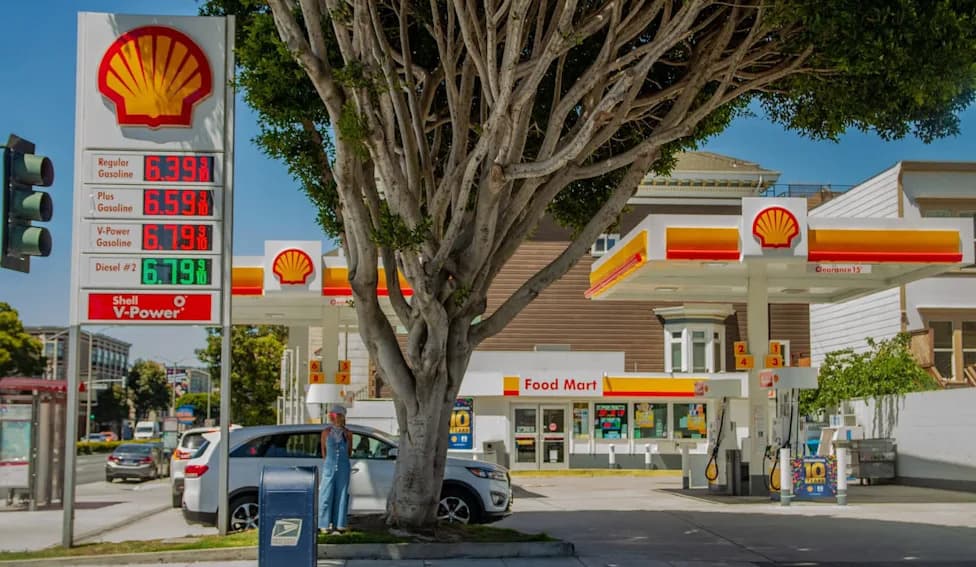
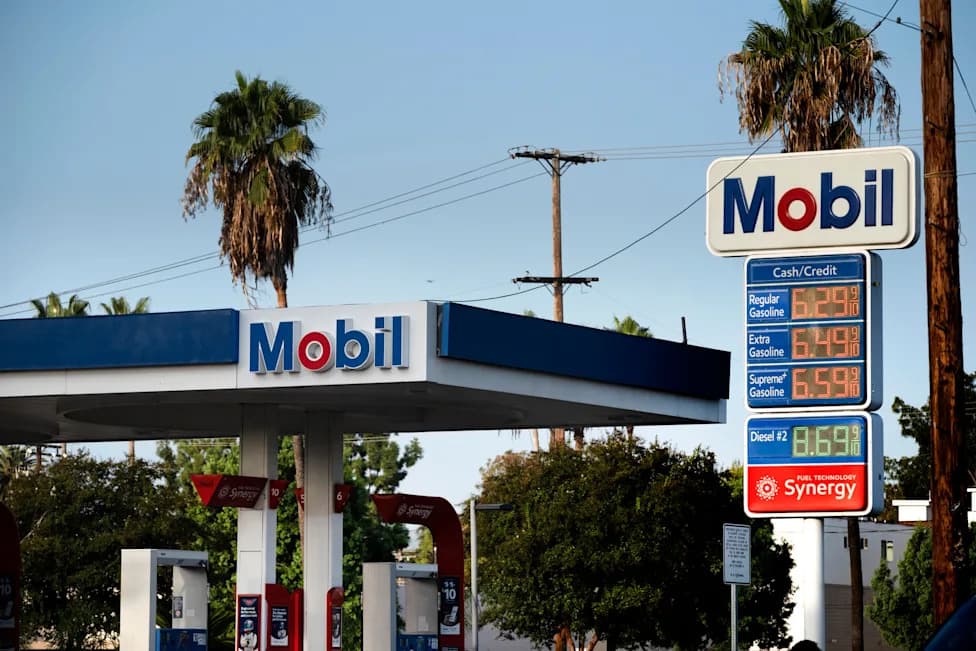
Gas prices in California remained above $5.60 a gallon during the April–June quarter while refiners and oil companies reported substantial gains. Chevron posted $12.1 billion in profit, Marathon Petroleum reported $5.1 billion, Valero earned $3.7 billion, and PBF Energy also recorded a significant windfall, according to The Los Angeles Times. Lawmakers and consumer advocates say those results warrant scrutiny; industry representatives point to global supply pressures, including tensions in Iran, as drivers of higher fuel costs.
Legislative Proposals on the Table
State Sen. Josh Becker and state Sen. Benjamin Allen introduced a bill to classify wartime disruptions as an "emergency" under California’s price-gouging statute, which limits price increases to 10% above pre-emergency levels. That proposal is scheduled for the Assembly Appropriations Committee on August 13.
Separately, state Sen. Henry Stern proposed allowing the sale of regular (non‑California‑blend) gasoline and creating a fee that could help fund electric vehicle rebates and other clean-energy programs. Supporters argue the change could ease supply constraints and lower prices; critics say it could penalize refiners that have already invested to meet California’s unique fuel specifications.
Market Signals and Political Influence
Data show a sizable gap between California and national pump prices in 2026: Consumer Watchdog reported California prices ran about $1.50 above the national average in 13 of the first 25 weeks. California Energy Commission figures indicate branded stations in the state charged, on average, 31 cents a gallon more than unbranded outlets. Meanwhile, the oil and gas industry spent more than $17 million lobbying the state Legislature in 2026, a level of spending critics say can slow adoption of cleaner, lower-cost alternatives.
Existing Authority and Debates Over Profit Caps
California passed a law in 2022 giving the California Energy Commission the authority to cap refinery profits, but the agency has said it is deprioritizing use of that power while studying potential impacts on consumers and supply. Consumer Watchdog estimated that a $1-per-gallon profit cap could have saved drivers roughly $611 million during the quarter — a figure advocates cite to argue for limits on what they describe as excessive windfalls during periods of tight supply.
Industry Perspective
"These profits are absolutely obscene," Sen. Josh Becker said, encapsulating lawmakers' frustration with the quarterly results.
Jim Stanley, a spokesperson for the Western States Petroleum Association, cautioned that "branded products selling at a premium above a generic alternative is completely normal in any market," and warned that stricter profit limits or allowing regular-blend sales could discourage imports and raise the risk of shortages after recent refinery closures.
Options for Consumers
The article also notes consumer strategies to reduce exposure to fossil-fuel price swings: rooftop solar and battery storage can cut household energy costs and provide resilience during outages. A residential solar marketplace cited potential savings of up to $10,000 on installation in some cases and highlighted that battery storage can help households ride out outages and reduce long-term energy bills.
What Comes Next
As lawmakers weigh proposals to expand price‑gouging protections, permit different gasoline blends, or impose fees to fund clean-energy incentives, the debate will center on balancing short-term price relief, fuel-supply reliability, and longer-term climate and energy-transition goals.
Help us improve.