
Hungary's public broadcaster MTVA suspended news programmes on July 7 amid a government-led overhaul after Peter Magyar defeated Viktor Orbán in April. Private outlets close to Orbán have cut staff and reduced print runs after losing state advertising. Interim managers plan a relaunch, possibly on August 20, while watchdogs say the true test will be whether public media can report independently on the new government.
Hungary's Media Shake-Up: MTVA Suspends News as Transition Tests Press Freedom
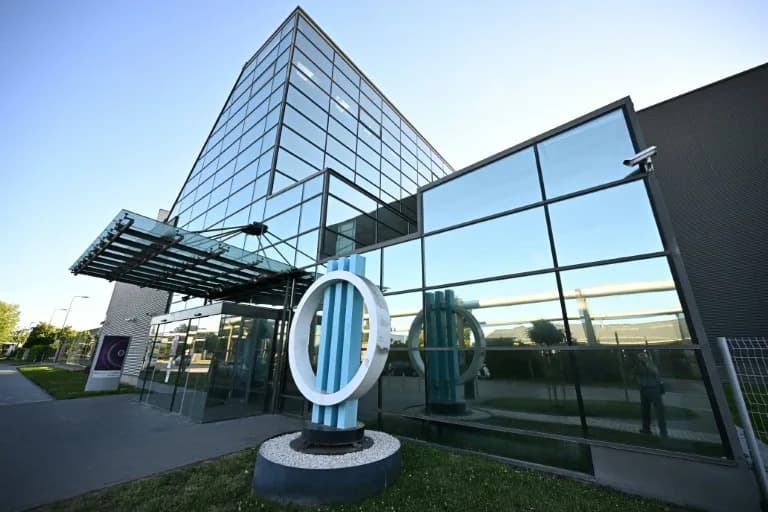
The reorganisation of public media was a key campaign pledge for pro-EU Prime Minister Peter Magyar (Attila KISBENEDEK)
A month after public broadcaster MTVA paused its news output, many employees remain at home uncertain when — or if — they will return to work as Hungary's new government restructures state media.
Reordering public broadcasting was a central pledge of pro‑EU Prime Minister Peter Magyar, who defeated nationalist leader Viktor Orbán in April and promised a broad "system change" after Orbán's 16 years in power drew repeated criticism from the European Union over rule-of-law concerns.
Staff reactions at MTVA have been mixed. "We feel anxious and hopeful at the same time," a long‑serving employee told AFP on condition of anonymity. Many worry about job security, even those who previously avoided political involvement, but hope the organisation can finally prioritise public‑service journalism.
Private Outlets Also Hurt
Private media close to Orbán have also been shaken by the political shift. Mediaworks — which bills itself as Hungary's leading conservative media group and was closely tied to Orbán's Fidesz party — announced in June it would cut about 200 jobs from roughly 2,000 staff after losing the generous government advertising that underpinned its finances. Several daily titles moved to weekly schedules or halted print runs; independent rival Nepszava stopped printing in late May after accruing debt for printing services, temporarily leaving Hungary without a daily political paper.
Why MTVA Halted News
MTVA suspended news broadcasts on 7 July, about two weeks after parliament approved a media reform bill. During the blackout the broadcaster issued an on‑air apology for "lying" in past coverage — a message that many social media users treated as symbolic reckoning with the previous era. Camera crews still film events deemed newsworthy, but footage is being archived rather than aired.
"Serious and longstanding" problems with credibility and professional standards made the temporary shutdown necessary, the ministerial commissioner overseeing the transition, Judit Grosz, told AFP.
Some staff welcomed a clear break with the past. Others considered the blackout unnecessary because reporting had already become more neutral after Orbán's election defeat. One newsroom reporter described a brief sense of liberation after the vote: journalists could "talk about facts" and present both sides without overt political pressure. At the same time, many staff felt personal responsibility for past practices yet could not simply resign because they were primary earners for their families.
Transition, Controversy And The Road Ahead
Interim management appointed during the transition has largely been silent on specifics, leaving employees to rely on internal rumours and occasional press statements. A full relaunch is planned for later this month; several insiders anticipate TV news returning on 20 August, Hungary's national holiday, though no firm date has been confirmed.
A permanent chief executive is expected to be chosen later via an open tender and to implement recommendations from ongoing professional and public consultations. The government frames the process as an effort to restore the public broadcaster's credibility: "The goal ultimately is to have the audience see public media as a trustworthy, professionally run and genuinely public‑service institution," Grosz said.
But early missteps have already fuelled controversy. MTVA briefly appointed — then reversed — a new head of news programming who had previously worked for outlets linked to Orbán's inner circle; the reversal followed public criticism, including from Prime Minister Magyar. Critics, including Pavol Szalai of Reporters Without Borders (RSF), warned against political interference and said the real test will be whether public media "dares to criticise Magyar's government on a factual basis." Fidesz meanwhile used the episode to characterise the reform drive as itself heavy‑handed.
For many inside MTVA and across Hungary's newsrooms, the coming weeks — and the selection of a permanent leadership — will determine whether the public broadcaster can regain professional credibility and public trust.
Reporting contributors: ros/jza/jj/st (AFP)
Help us improve.





















