Omar Jimenez of CNN confronted Rep. Nancy Mace over social posts that labeled Muslim public officials as "trojan horses," prompting a heated on-air exchange about the First Amendment. Mace said she was warning against "radical Islam ideology" and named specific politicians; Jimenez pushed back, noting there is no evidence those officials imposed such beliefs. He emphasized that the First Amendment and Article VI protect religious freedom and bar religious tests for office. The segment ended with both sides reiterating their opposing views on cultural influence and immigration.
Omar Jimenez Rebukes Rep. Nancy Mace Over Anti-Muslim Remarks in Heated Live Exchange
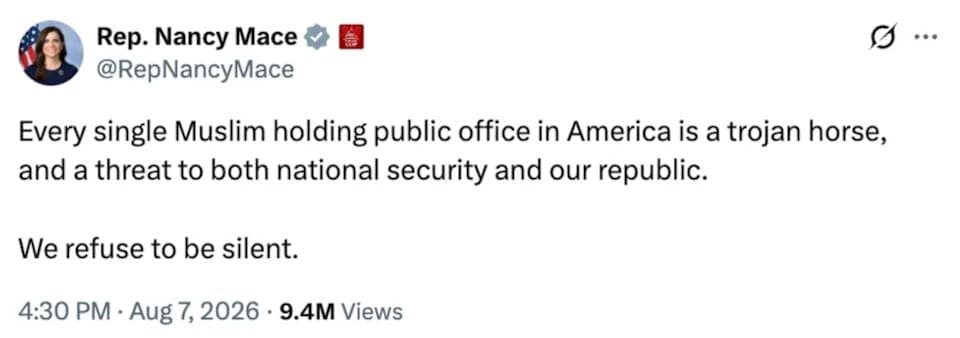
“I appreciate you taking your time and explaining your tweet as best you could there, but, you know, the First Amendment is pretty clear on freedom of religion,” Jimenez said, before pointing to Article 6 of the Constitution. / Nancy Mace/X
On Sunday, CNN correspondent Omar Jimenez confronted Republican Rep. Nancy Mace in a tense on-air exchange after the South Carolina lawmaker posted inflammatory remarks about Muslims on X. The confrontation centered on whether Mace's comments broadly painted Muslim public officials as threats and how the Constitution protects religious freedom.
What Happened
Mace had written on X that "Every single Muslim holding public office in America is a trojan horse, and a threat to both national security and our republic." She followed up with another post saying: "If not wanting to be blown up, stabbed, or rammed by a car by a radical Islamist in the United States of America makes us Islamophobes, then so be it."
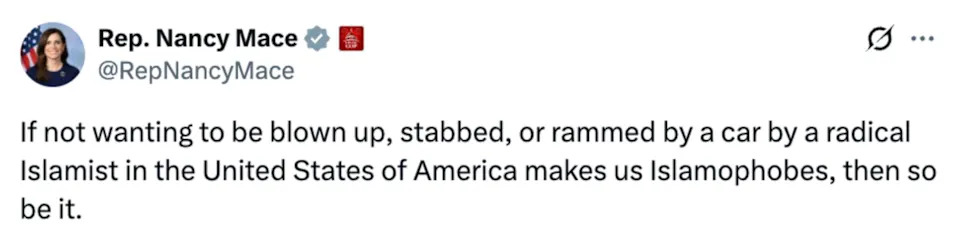
Mace, who lost in the South Carolina gubernatorial primary in June, claimed that she was referring to elected officials who are Muslim. / Nancy Mace/X
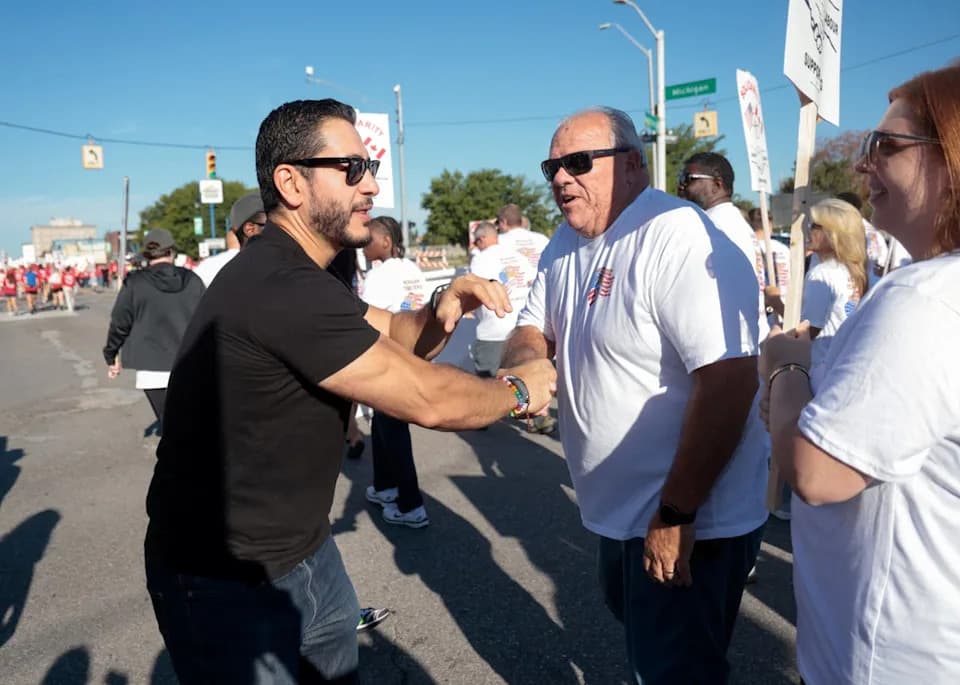
During the interview, Jimenez pressed Mace directly: "Are you saying that anyone who is Muslim is a threat to this country?" Mace repeatedly denied she meant to target all Muslims, and said she was referring to elected officials she believes are influenced by "radical Islam ideology." She named New York City Council Member Zohran Mamdani and Michigan Democratic Senate candidate Abdul El-Sayed as examples she finds concerning.
Key Exchanges
Jimenez challenged Mace's framing, noting there was no evidence that the officials she singled out had imported radical views into their governance. He emphasized that the people Mace labeled as threats are elected by American voters and therefore deserve the presumption of loyalty and due process.
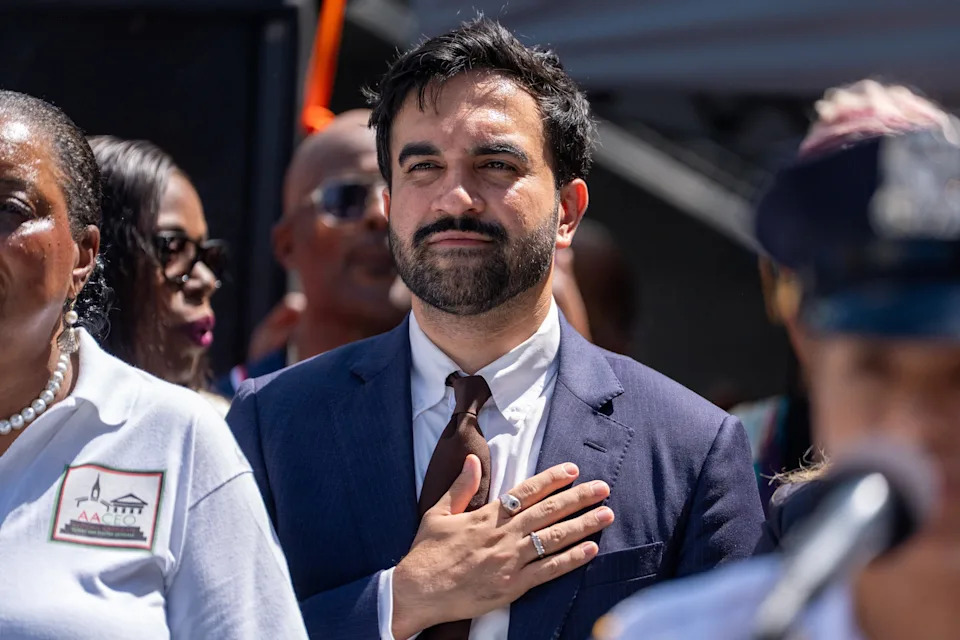
Zohran Mamdani has become a lightning rod for Republicans since being elected last year. / David Dee Delgado/REUTERS
Jimenez: "The First Amendment is pretty clear on freedom of religion."
Jimenez reminded viewers that the First Amendment protects religious expression and that Article VI of the Constitution bars the government from imposing religious tests on public officials. He explained that cultural or religious practices—such as the call to prayer or wearing a hijab—are protected forms of expression and not evidence of disloyalty.
Mace pushed back, arguing Islam is incompatible with what she described as "American values," and warned of cultural shifts she fears could follow. At one point she said people should "go back to that country of origin" and later suggested banning immigrants from certain countries. Jimenez repeatedly framed those comments as personal opinions while reiterating constitutional protections.
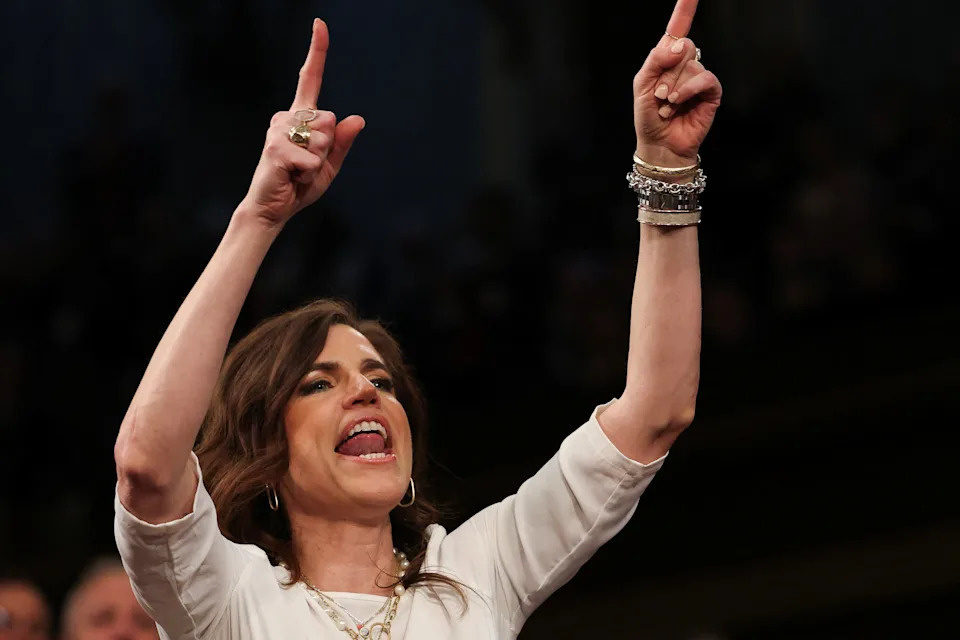
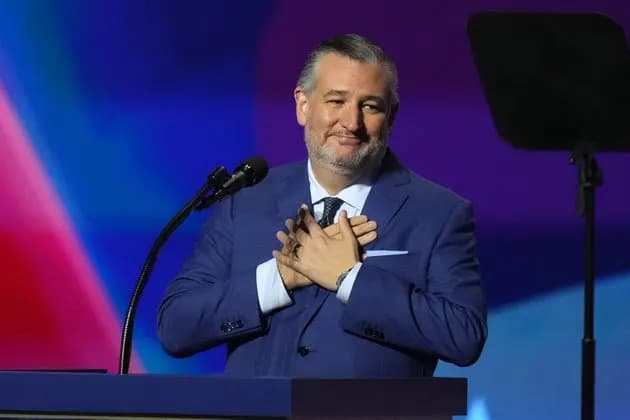
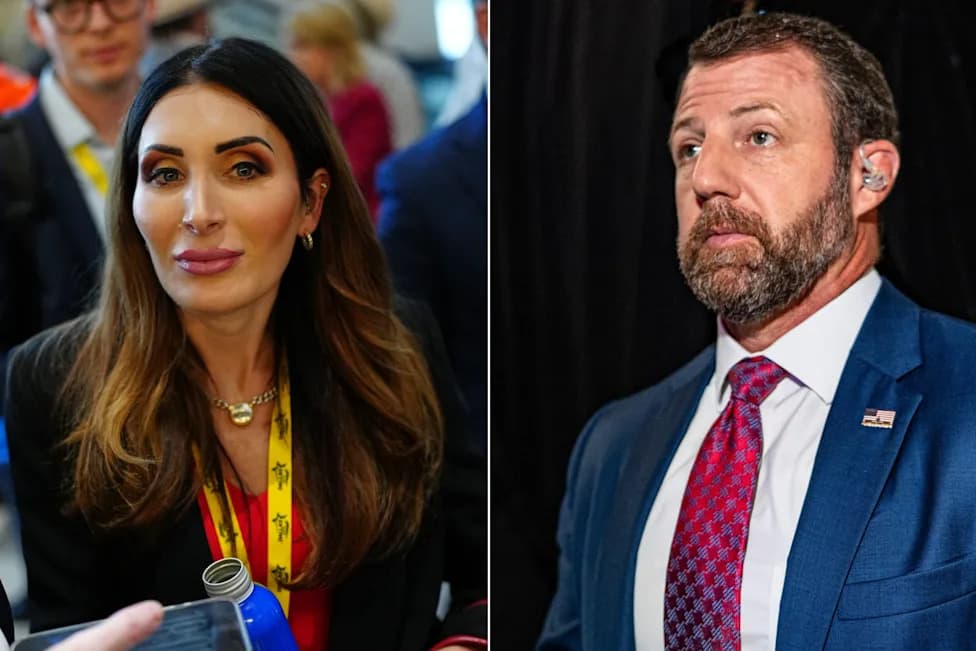
The South Carolina congresswoman was soundly rejected by Republican voters in the June gubernatorial primary, finishing last with just 12.1 percent of the vote. / Win McNamee/Pool via REUTERS
Aftermath
After the interview, Mace doubled down on X, writing: "You cannot pledge allegiance to the U.S. Constitution and Sharia Law at the same time. One is a roadmap for freedom, the other is a blueprint for tyranny. Islam has no place in Western society." The exchange underscored ongoing tensions in American politics over religion, national identity, and the limits of political speech.
Context: Mace, who ran in the South Carolina gubernatorial primary in June, has faced criticism from some quarters for rhetoric that many observers and advocates labeled as Islamophobic. The interview drew attention for its direct constitutional rebuttal to her broad assertions.
Help us improve.