Officials moved a public meeting on the proposed 2.6 million-square-foot Data One data center to Vineland’s Landis Theater after turnout surged. Residents raised alarms about persistent noise and vibrations, possible air-quality effects, and the project's water demand—one neighbor said vibrations reignited a medical condition. The company says the site meets local noise rules and estimated it would need "8 million gallons on average," but acknowledged some operational needs remain uncalculated. Neighbors are using hearings to demand clearer plans, resource estimates and mitigation measures.
Vineland Residents Pack Theater To Protest 2.6M-Sq-Ft Data Center Over Noise, Water Use And Vibrations

Photo Credit: Instagram
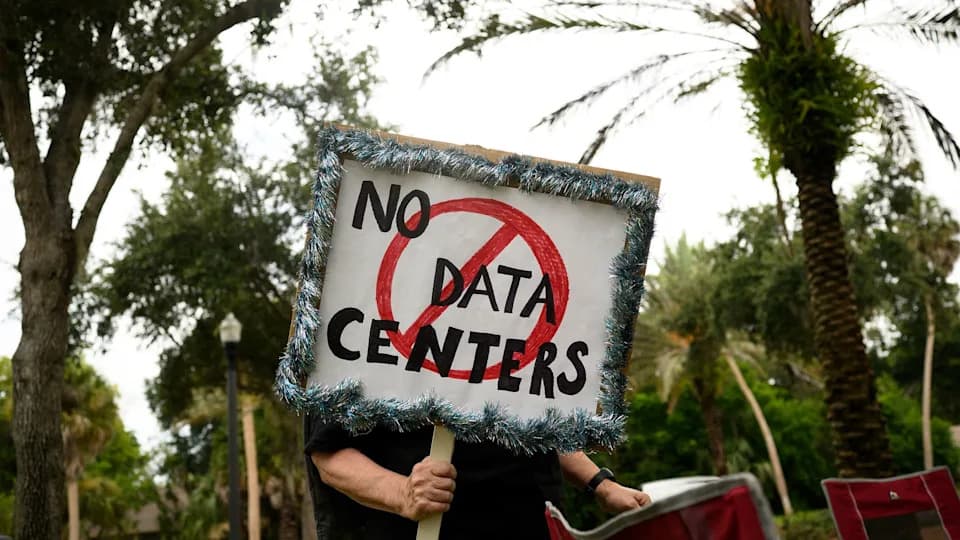
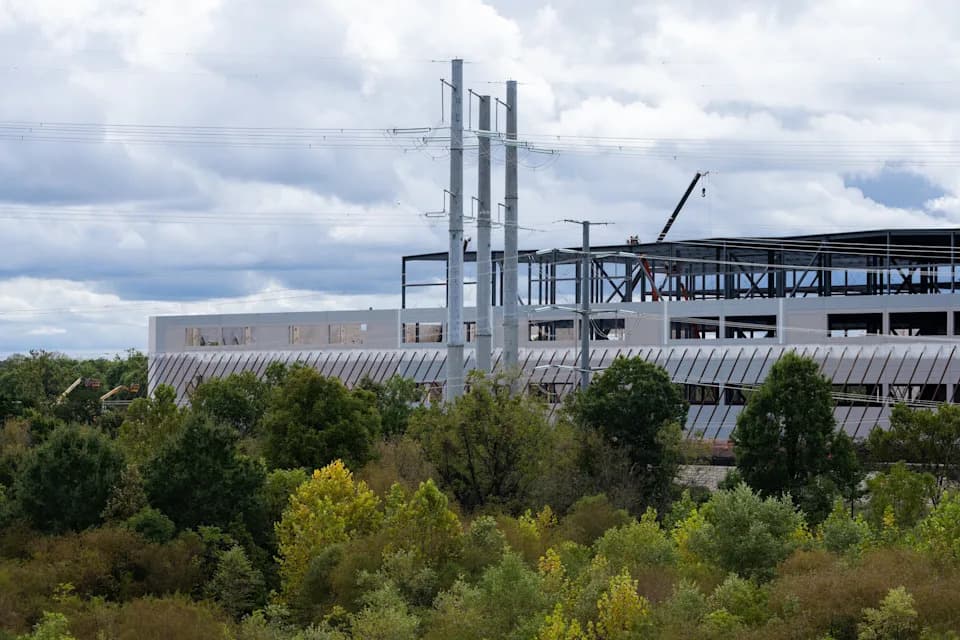
City officials moved a scheduled public hearing on a proposed 2.6 million-square-foot data center in Vineland, New Jersey, from City Hall to the larger Landis Theater after attendance surged.
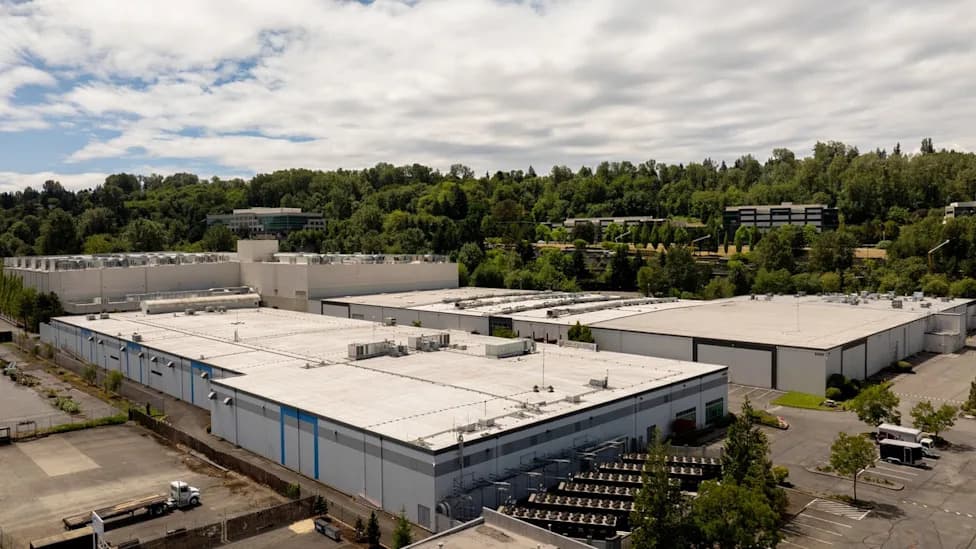
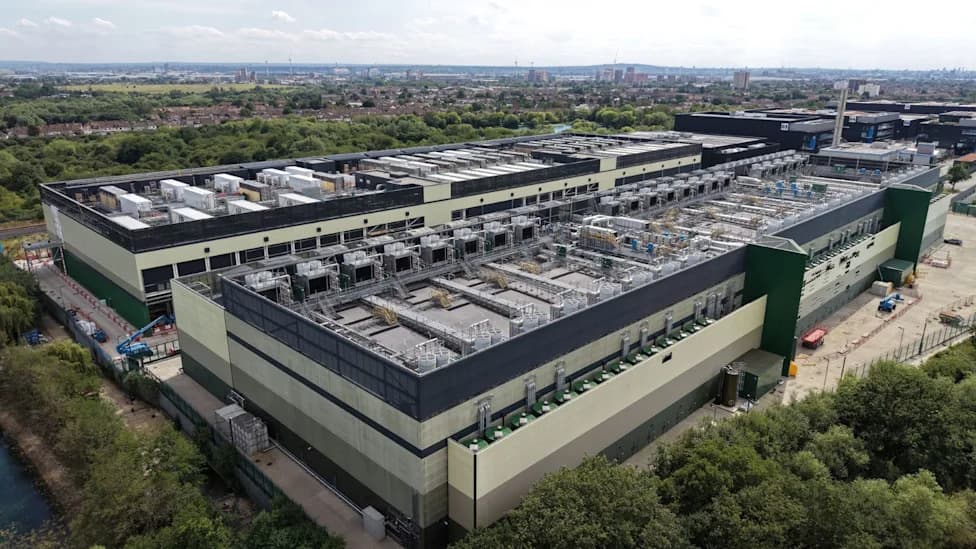
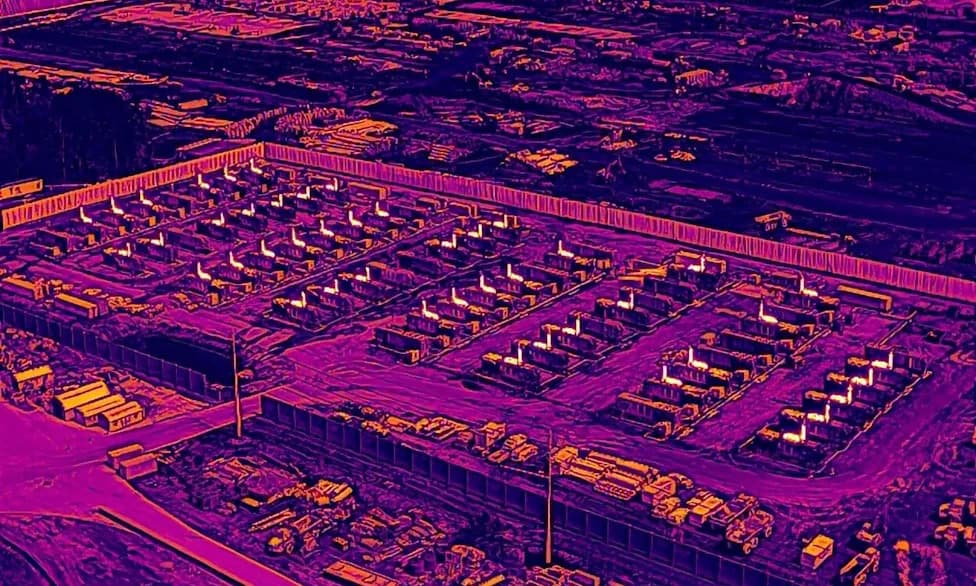
At the expanded venue, residents voiced concerns about a persistent hum and house vibrations, potential air-quality impacts, and the amount of water the facility might consume. The project, promoted as Data One, would cover roughly the same area as 45 football fields and sit about a mile from some homes.
“It’s brought back this nerve disease that’s been in remission in my legs. We are a mile away, and the vibration in our house is horrible now,” said Vineland resident Peggy Schumacher, who has lived in her home for 14 years.
Police maintained a noticeable security presence as residents delivered testimony. During one exchange, a company representative said the facility would need "8 million gallons on average" from the city, while also acknowledging that the company has not finalized every operational requirement.
Data One told city leaders it supports the decision-making process and said the site complies with local noise ordinance limits. If the project receives required approvals, the company said it could proceed with construction.
Local And Broader Concerns
Large data centers can bring jobs and tax revenue, but they also place significant demands on municipal infrastructure. In Vineland, neighbors’ concerns centered on continuous noise and vibrations, possible air emissions, and whether local water supplies could be strained by a large new industrial user.
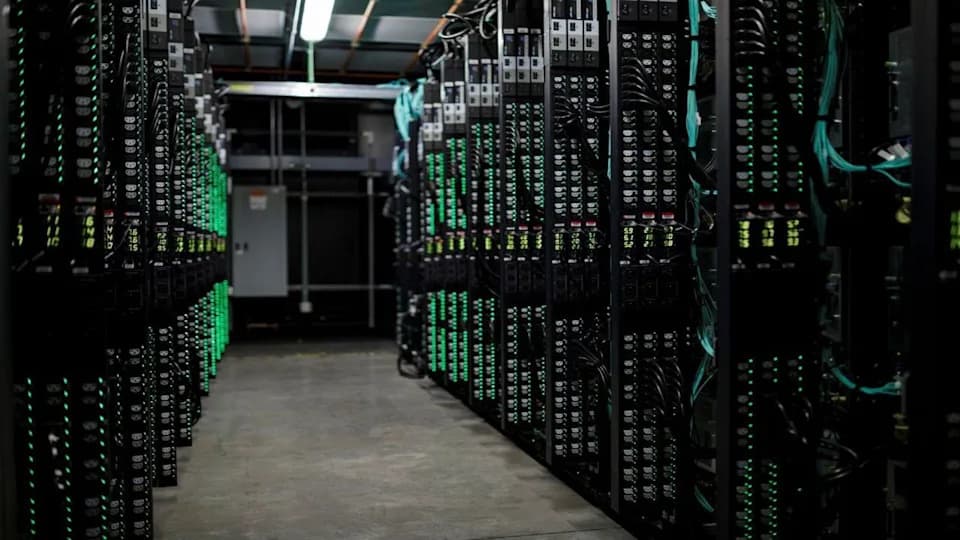
The discussion also connects to broader questions about artificial intelligence and the power grid. While AI tools can help utilities forecast demand, improve efficiency, and integrate more renewable energy, the data centers that power AI workloads can consume substantial electricity and water. That raises worries about grid strain, higher utility costs, added emissions from power production, security vulnerabilities, and other environmental and social consequences.
Residents used the public hearing process to press city officials for clearer details on resource consumption, environmental impacts, and mitigation measures that would protect nearby communities. Many attendees left demanding stricter oversight, transparent operational plans, and firm commitments on how potential impacts would be addressed.
Help us improve.