Student-led protests have spread across Ukraine demanding the reinstatement of Mykhailo Fedorov even as Russian missile strikes and geopolitical tensions rise. Protesters say Fedorov’s tech leadership is vital to Ukraine’s defense; President Zelensky has offered alternative roles but demonstrators remain unsatisfied. Atlantic Council analyst Peter Dickinson argues the protests alarm the Kremlin because a successful democratic Ukraine could inspire similar movements inside Russia. Dickinson warns that limited Western support risks a protracted conflict unless Russia is decisively checked.
Students Defy Missile Barrages: Nationwide Protests Demand Return Of Ukraine’s Tech Minister
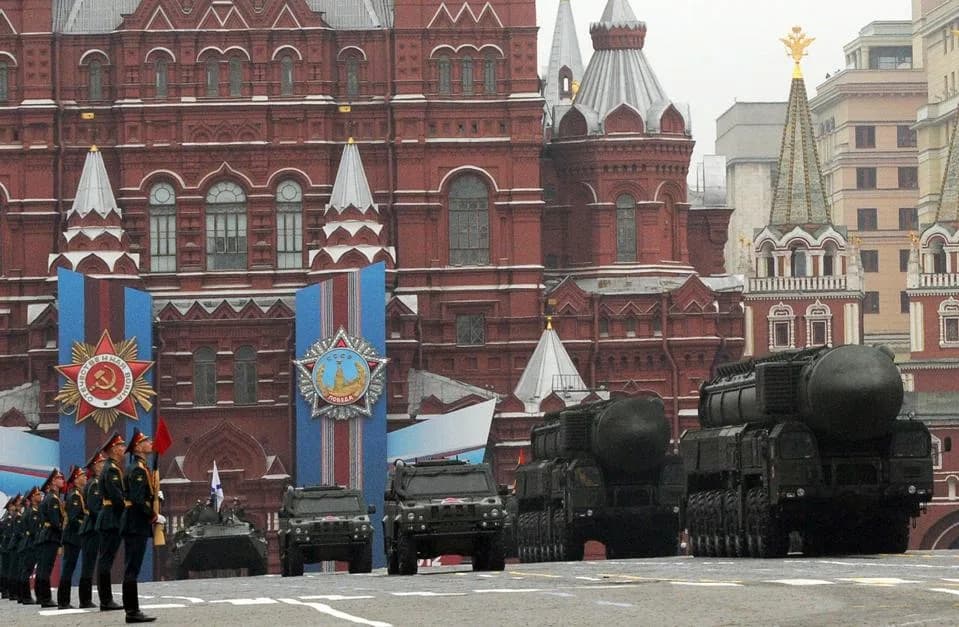
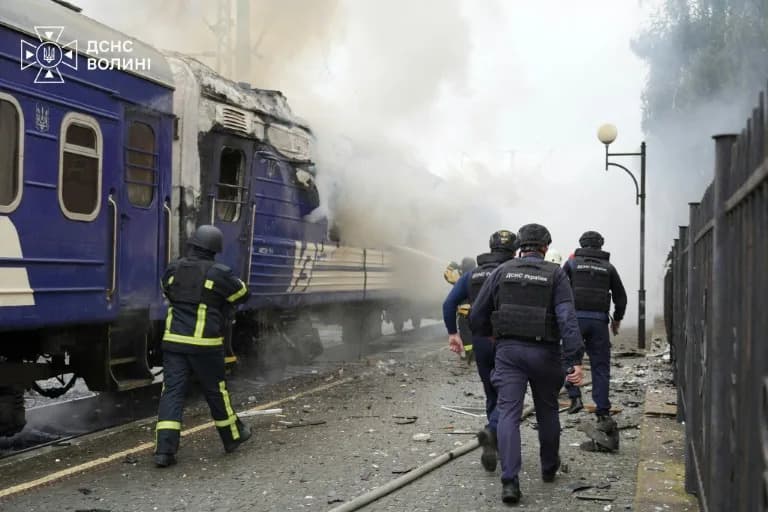
Student-led protests across Ukraine are extraordinary because they are being staged in defiance of the missiles launched by invading Russian forces, even as Moscow threatens to use nuclear weapons against any power aiding Ukraine. (Photo by KIRILL KUDRYAVTSEV/AFP/GettyImages)AFP via Getty Images
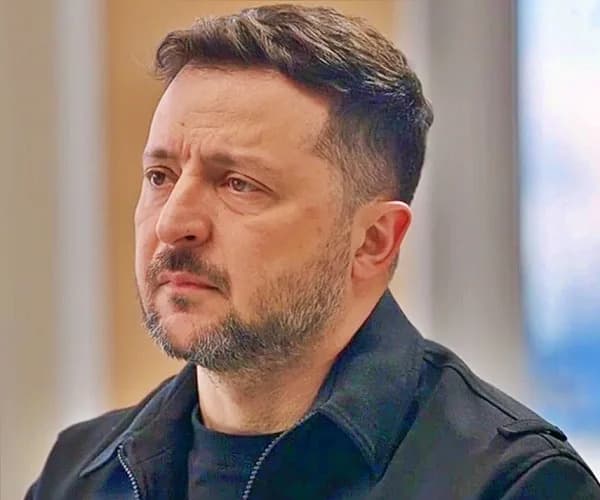
Across Ukraine, student-led demonstrations have persisted on major campuses and city streets even as Russian forces have intensified missile strikes and Moscow issues menacing warnings about intervening powers. The protests were sparked by the dismissal of Mykhailo Fedorov, the young technology minister credited with spearheading many wartime innovations in drones and other battlefield technologies. Demonstrators are calling for his reinstatement and argue that his leadership has been central to Ukraine’s tech-driven resilience.
Why Students Are Mobilizing
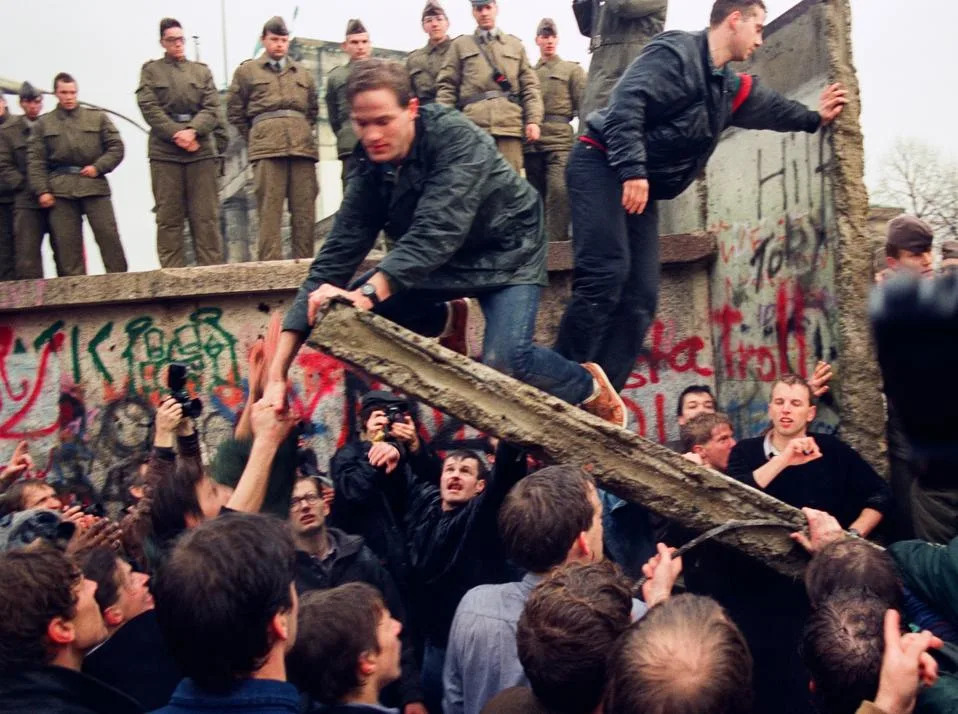
West German demonstrators tear down a section of the Berlin Wall under the gaze of East German border guards in 1989. (Photo by Colin Campbell/Getty Images)
For many young Ukrainians the rallies are about more than one minister. They have become a focal point for frustration with political decisions seen as undermining wartime effectiveness and the country’s democratic momentum. Organizers say the movement is peaceful and determined: even under the threat of missile strikes, students continue to hold vigils, marches and sit-ins to press President Volodymyr Zelensky to bring Fedorov back into a position of influence.
Political Responses
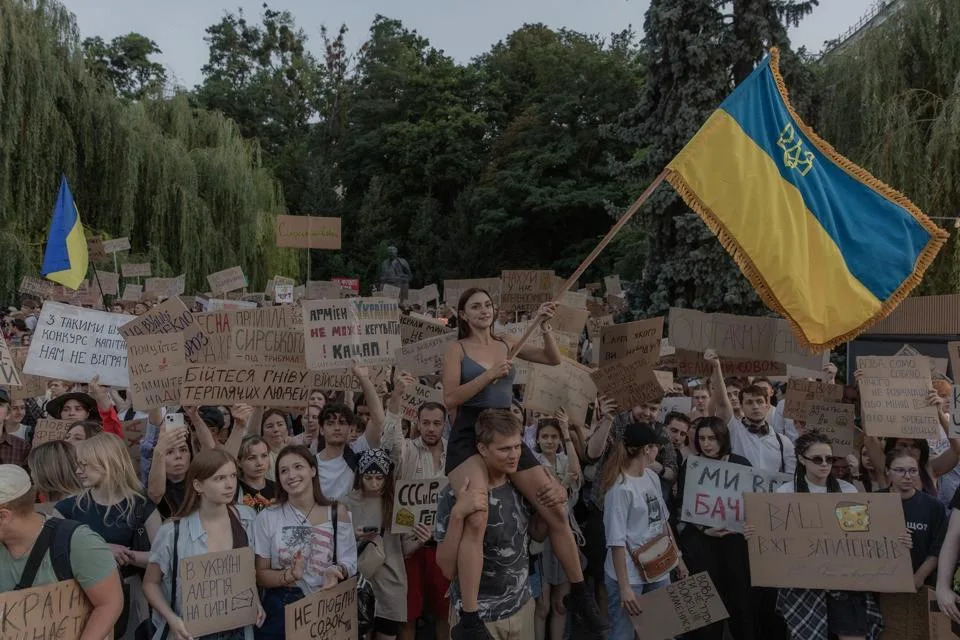
Student protesters wave Ukrainian flags and chant slogans during a demonstration staged in defiance of Moscow's missile barrages on the democracy. (Photo by Roman PILIPEY / AFP via Getty Images)
President Zelensky has reportedly offered Fedorov an alternative role within government in an effort to defuse the unrest. Protesters, however, view Fedorov as uniquely important to Ukraine’s wartime innovation strategy and remain unsatisfied with that proposal.
How Moscow Reads the Protests
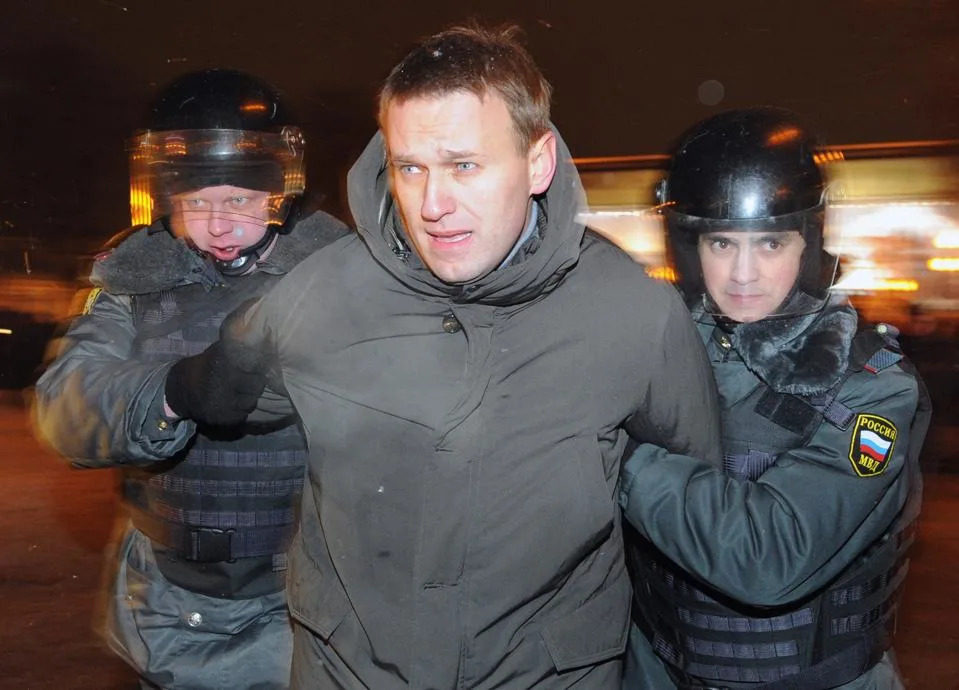
Moscow police detain protest leader Alexei Navalny, who headed a demonstration against Vladimir Putin's run for president back in 2012. A dozen years later, Navalny would be assassinated via an exotic state-concocted poison in one of Putin's Arctic prison camps. (Photo by ALEXANDER NEMENOV/AFP via Getty Images)
Peter Dickinson, a senior analyst at the Atlantic Council, places the protests in a broader geopolitical context. He argues that the Kremlin perceives a successful, democratic Ukraine as a symbolic and practical threat: it could inspire political mobilization inside Russia and undermine President Vladimir Putin’s long-term project of restoring Russian influence over its neighbors.
"A free, democratic Ukraine is not just a political problem for the Kremlin — it is an existential challenge to the narrative that underpins Putin's rule," Dickinson says.
Dickinson traces Putin’s sensitivity to popular movements back to his experience in the 1980s and the collapse of Soviet-era control in Eastern Europe. That history, he suggests, shapes how Moscow interprets and reacts to visible, people-powered demonstrations on its border.
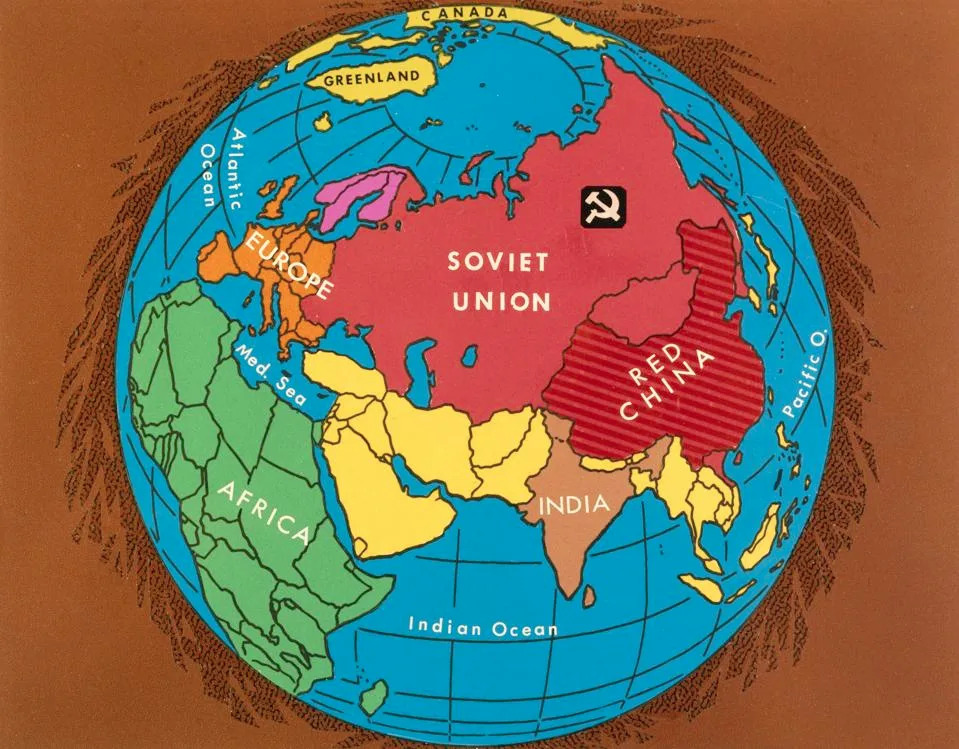
Russian President Putin's invasion of Ukraine is part of a greater masterplan to restore the Soviet Union, once the largest union of communist republics on the planet.
Historical Context
The article revisits the late Soviet period to explain why leaders in Moscow remain wary of mass protests. Mikhail Gorbachev’s decision not to deploy Soviet forces to crush uprisings in Eastern Europe contributed to the rapid political transformations of that era and ultimately to the dissolution of the USSR — developments that continue to inform contemporary Russian political anxieties.
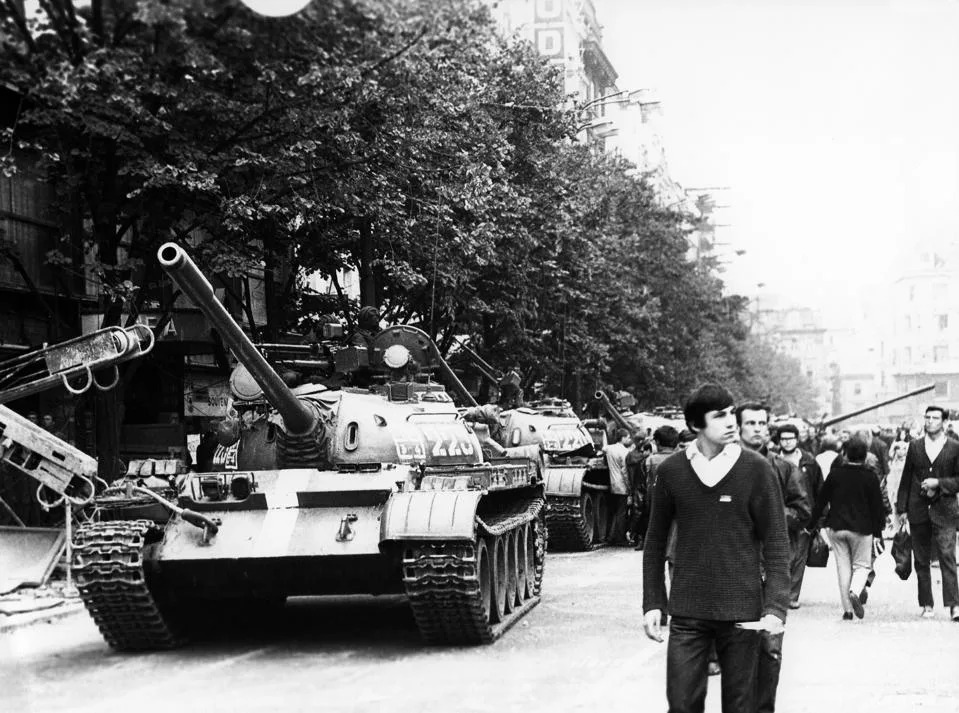
Soviet tanks race through the Czech capital to crush protests against communist rule in 1968. Mikhail Gorbachev later received the Nobel Peace Prize for helping Czechoslovakia and other Soviet satellite states regain their freedom. (Photo by Chotas/ullstein bild via Getty Images)
Repression and the Russian Domestic Scene
Dickinson also highlights the climate of repression inside Russia — the detention of activists, restrictions on independent media and harsh sentences for prominent critics. The case of Alexei Navalny is referenced as emblematic: Navalny survived a near-fatal poisoning in 2020 and has since been imprisoned on politically charged charges. These domestic controls, Dickinson argues, are part of a Kremlin strategy to prevent domestic protest movements from gaining momentum.
Military And Strategic Implications
On the military front, Dickinson warns that Western backing has kept Ukraine in the fight but has not provided the decisive capacity to defeat Russia outright. He calls that a risky strategy that could produce a prolonged conflict if Russia is not clearly checked. Meanwhile, concerns about nuclear rhetoric and the future of arms-control agreements have added urgency to debates in the West about how much support to provide Kyiv.
What The Protests Mean
Whatever their immediate political outcome, the student demonstrations are a visible expression of democratic resilience: young Ukrainians are willing to take public risks to defend both wartime effectiveness and political principles. For Kyiv’s Western partners, Dickinson says, the protests underscore the stakes — a struggle over Ukraine’s territorial survival and over the example it sets for the region.
Note: This revised article corrects earlier factual errors and clarifies contested claims about internal Russian events and nuclear arms control. The piece relies on commentary from an Atlantic Council analyst and public reports about Ukrainian protests and government responses.
Help us improve.