Copernicus reports western Europe experienced its warmest combined June–July on record, with an average temperature of 21.62°C and significantly lower soil moisture than in July 2022. Rivers including the Seine, Rhine and Danube saw unusually low flows, disrupting transport, irrigation and energy. Global sea surface temperatures hit 20.96°C in July and a strengthening El Niño is likely amplifying heat, making new global temperature records more likely. Scientists warn that hotter oceans and continued greenhouse gas emissions increase risks of storms, floods, coral bleaching and more frequent wildfires.
Western Europe Records Hottest June–July Ever as Heat, Drought and Wildfires Surge

Successive heatwaves and a drought have created ideal conditions for wildfires in Europe this summer. (Idriss Bigou-Gilles)
Western Europe has experienced its warmest combined June–July on record, the EU's Copernicus Climate Change Service reported, as climate change intensifies an unusually severe summer of heat, drought and wildfires across the region.
Copernicus said the combined average temperature for western Europe during June and July reached 21.62°C, surpassing the previous mark set in 2022. The agency highlighted "the exceptional persistence of heat" so far this summer and noted that soil moisture in July was "significantly lower" than in July 2022, when the region endured its last widespread drought.
"This is a clear example of how climate change is intensifying heat extremes, with heat and drought increasingly reinforcing one another," said Samantha Burgess of the European Centre for Medium-Range Weather Forecasts, which operates Copernicus.
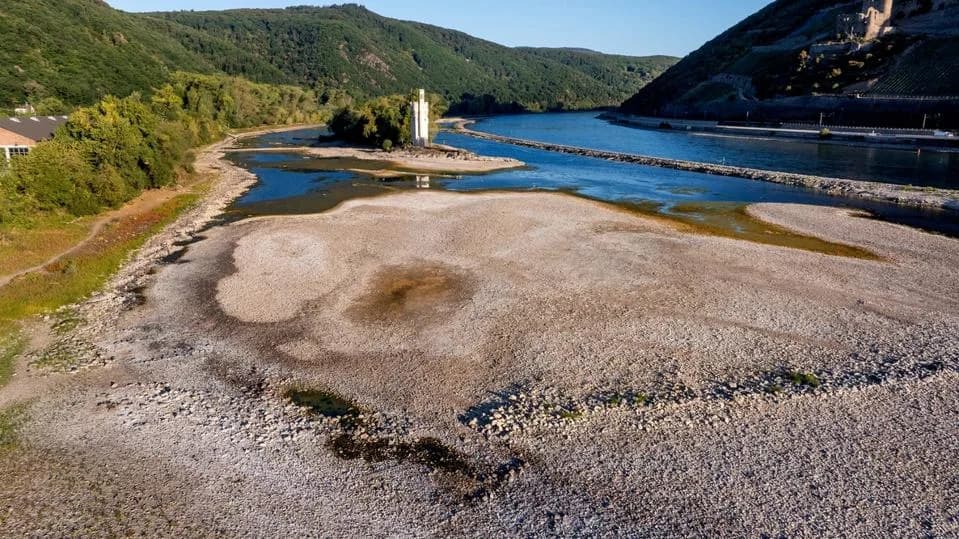
Very dry conditions were observed across western and central Europe in July, affecting countries including France, Spain, Austria and Hungary, as well as the United Kingdom, Ireland and parts of Iceland. River flows fell to unusually low levels, with the Seine, Rhine and Danube particularly affected, disrupting transport, irrigation and energy production in several countries.
Those hot, arid conditions created ideal fuel for wildfires. France and Spain battled some of the most severe blazes in living memory this summer, and other regions—such as the U.S. Northwest and Canada—also experienced major fires. Scientists warn that climate change is increasing the frequency of extreme, fire-prone weather in Europe.
Heat on the horizon
Copernicus also reported that global sea surface temperatures hit record highs for a second consecutive month in July, driven by marine heatwaves around Europe and a strengthening El Niño in the Pacific. July global average sea surface temperature reached 20.96°C, topping the 2023 record.
"Parts of the Mediterranean and Atlantic were unusually warm, but the developing El Niño is probably the driving force," Copernicus director Carlo Buontempo told reporters on August 5.
El Niño is the warm phase of a natural climate pattern that raises tropical Pacific ocean temperatures and can influence extreme weather worldwide, from droughts to heavy rains. It also adds heat to a planet already warmed by greenhouse gas emissions; when El Niño peaks toward the end of the year, ocean heat is released into the atmosphere and typically pushes global temperatures higher.
Buontempo said the last El Niño helped make 2023 and 2024 among the hottest years on record, and scientists expect a new global temperature record later this year or in early 2027 if current trends continue.
Oceans and the global picture
Globally, last month was the joint second-warmest July on record, with average surface air temperatures about 1.47°C above the 1850–1900 pre‑industrial benchmark, Copernicus said. "The last 11 years have been the hottest on record," Buontempo added, stressing that greenhouse gas emissions remain the primary driver of warming.
Oceans absorb most of the excess heat caused by human emissions and play a central role in regulating the climate. Warmer seas can intensify storms and heavy rainfall, harm marine ecosystems through coral bleaching, and contribute to longer or more intense heat extremes on land.
Copernicus compiles its findings from billions of satellite and weather observations over land and sea, with data records extending back to 1940.
Help us improve.